
Wrongful Death
Wrongful Death Laws in New York: What Bronx Families Should Understand and Do Next
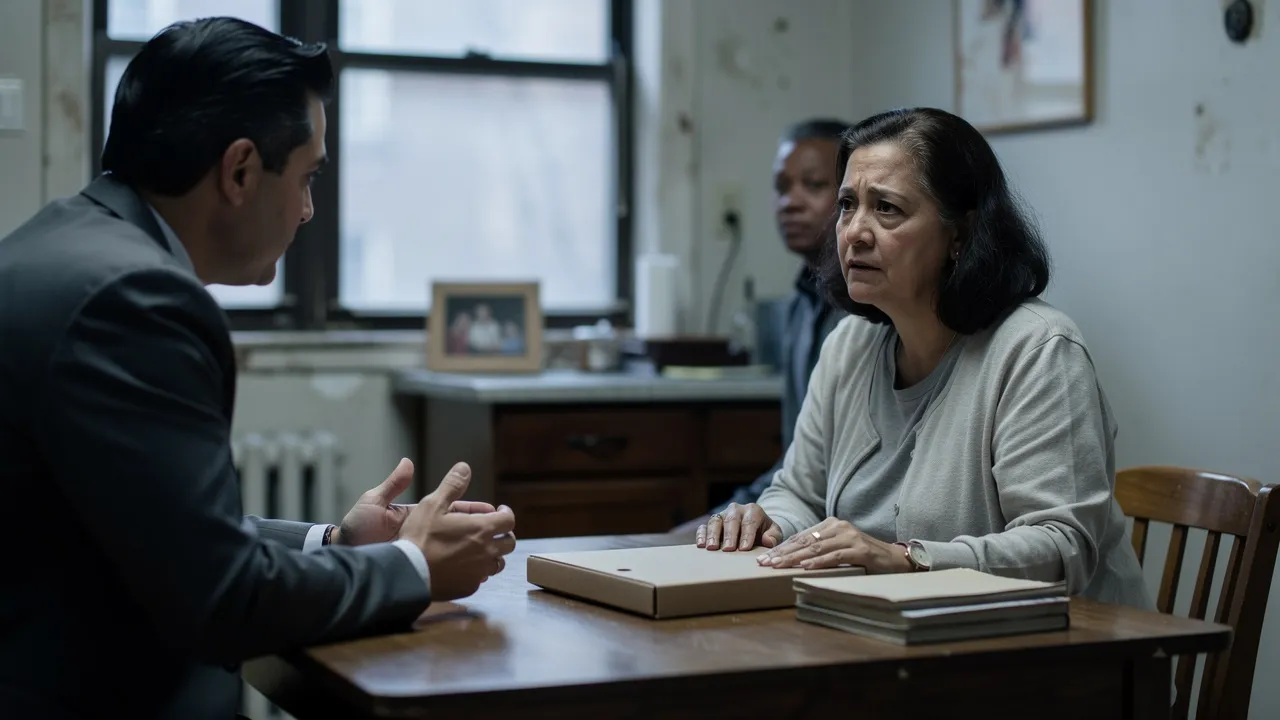
What does wrongful death mean in New York?
After a death in your family in the Bronx, you may be trying to understand what happened while also handling medical, estate, and family responsibilities. New York wrongful death laws provide a framework for a civil claim when another person or organization’s negligence or misconduct caused the death.
A wrongful-death lawsuit is a civil claim brought by surviving family members or the deceased person’s estate against a party whose negligence or misconduct caused the death. The term can cover a death caused by negligence or intentional misconduct, but the available claim still depends on the responsible party, the estate’s position, and the losses connected to the death.
Use this guide to organize the questions that matter next: who has authority to bring the action, what connection must be shown between the conduct and death, which losses may be considered, what records to preserve, and which deadlines apply. Keep a possible civil claim separate from any criminal proceeding, and treat government defendants as a separate timing problem.
How is a wrongful-death claim different from a criminal case or survival action?
A wrongful-death claim is a civil action, while a criminal case is a separate proceeding involving the same event or defendant. New York law specifically addresses what happens when a criminal action has been commenced against the same defendant, which means you should not treat a criminal investigation or prosecution as a substitute for examining the civil claim. Ask a qualified New York lawyer whether workers’ compensation, no-fault benefits, or a possible third-party claim also raises a separate issue in the same event, and how it relates to the wrongful-death claim.
A survival action is controlled by the estate, while a wrongful-death claim may be filed by family members directly or through a representative, depending on the jurisdiction. The distinction also separates both actions from an ordinary personal-injury claim: that claim concerns the injured person’s own injuries and claim, while the wrongful-death claim addresses the death and connected losses through the applicable estate and family structure. The survival action remains under estate control.
Organize the matter as separate tracks. Record whether law enforcement has opened a criminal case, identify the person appointed to administer the estate, and ask how any survival claim relates to the wrongful-death claim. Do not assume that one proceeding automatically handles the other.
Your first questions should be:
- Is there a civil wrongful-death claim based on the death?
- Is there a separate claim controlled by the estate?
- Has a criminal action involving the same event or defendant begun?
- Which person has authority to act for the estate?
Write the answers in one place so you do not confuse a criminal proceeding, an estate-controlled action, and a wrongful-death claim.
What connection between the conduct and death must the claim address?
A possible wrongful-death claim must address the alleged wrongful conduct, its connection to the death, and the legally recognized losses that followed. The civil claim is brought against a party whose negligence or misconduct caused the death, so the investigation should connect each important fact to one of those three questions.
Start by identifying the conduct being questioned. Individuals, companies, and, in some cases, government agencies may face wrongful-death suits based on intentional or unintentional negligence. The responsible party is not always obvious from the location of the incident, so preserve information about employers, property owners, drivers, contractors, agencies, and other involved organizations when those details appear in the records.
Next, place the event and the death on a clear timeline. Note what happened before the incident, what occurred at the scene, what treatment followed, and when the death occurred. A timeline does not prove causation by itself, but it gives a lawyer a structured way to compare the alleged conduct with the medical and other records.
Finally, identify the losses tied to the death rather than estimating a result. New York wrongful-death damages may include support, voluntary assistance, possible inheritance, medical expenses, funeral expenses, and loss of guidance and support when that loss was substantial. Gather facts first; leave the legal evaluation of each loss to the claim review.

Who may bring or administer a New York wrongful-death claim?
In New York, the duly appointed personal representative may bring a wrongful-death action when the decedent is survived by distributees and the defendant would have been liable for the wrongful conduct if death had not occurred. The representative acts within the estate structure, while eligible family members may benefit from the action under the governing law.
Do not assume that being a close relative automatically gives you the same authority as the estate representative. Find out whether an executor or administrator has been appointed, whether a will names an executor, and which family members are treated as distributees for this estate. Those details affect who may act and how the claim proceeds.
If the executor refuses to bring the action and the distributees do not participate in estate administration, New York law allows the distributees to have an administrator appointed to prosecute the action for their benefit. That is a specific estate problem, not a reason to let the possible claim sit without review.
Collect these details:
- The death certificate and date of death.
- The will, if there is one.
- Letters or other papers showing appointment of an executor or administrator.
- Names and contact information for potential distributees.
- Any written refusal by an executor to bring an action.
A lawyer can then assess estate authority and the position of each person who may benefit. Not every relative automatically has the same role in a wrongful-death case.
Which losses may be considered under New York wrongful-death law?
New York wrongful-death damages may include financial losses such as lost support, voluntary assistance, possible inheritance, and medical and funeral expenses incidental to death. The categories are fact-dependent, so your records should show what the decedent provided, what the family expected, and which expenses the estate paid or was responsible for paying.
Support is not limited to a single paycheck. A court reviewing wrongful-death damages may consider the decedent’s earning history, age, health, and the support the family reasonably expected to receive. A loss of guidance and support may be compensable when the loss was substantial, so preserve information about regular help, household assistance, advice, care, and other contributions.
Funeral expenses are generally recoverable only when the estate paid them or was responsible for paying them. Keep invoices, receipts, payment records, insurance information, and documents showing who incurred each expense. Medical expenses connected with the death should be gathered in the same way.
New York CPLR § 1411(a) provides that culpable conduct attributable to the claimant or decedent, including contributory negligence or assumption of risk, does not by itself bar recovery, subject to subsection (b). Otherwise recoverable damages are diminished in proportion to the culpable conduct attributable to the claimant or decedent. Treat this as an issue to discuss, not as a conclusion about your family member’s case.
Build a loss file with:
- Pay records, tax records, and employment history.
- Household bills and evidence of regular financial support.
- Records of unpaid help, care, transportation, or household work.
- Documents about expected inheritance or other financial contributions.
- Medical, funeral, and related payment records.
- Information showing the decedent’s health, age, and family responsibilities.
The file supplies facts for legal analysis; no single document establishes a recoverable loss.
What records should the family preserve before details disappear?
Create an incident folder with:
- Police or incident reports.
- Photographs and videos of the location, vehicles, equipment, or visible conditions.
- Names, phone numbers, and written accounts from witnesses.
- Insurance letters, claim numbers, and communications about the event.
- The death certificate and records identifying the date and place of death.
Save original files when possible and write down when each item was obtained.
Keep medical records, bills, discharge papers, treatment summaries, and information about the decedent’s health before the event. Medical records help place the event and treatment on a timeline; health information can also matter when damages review considers the decedent’s age and health. A medical record is important evidence, but it does not by itself establish negligence or legal responsibility.
Gather pay stubs, tax returns, employment records, benefit information, bank records showing regular support, household budgets, and receipts for medical and funeral expenses. Add notes describing unpaid assistance, care, guidance, or household work. Keep the notes factual: identify what was provided, how often, and to whom instead of assigning a value.
Do not discard, edit, or overwrite photographs, messages, reports, or bills. Do not fill gaps in the timeline by guessing. If you are unsure whether a statement or action could affect a possible claim, contact a qualified professional promptly before proceeding. Mark uncertain details as uncertain and keep later corrections with the original note so the file shows how the information developed.

What estate and filing deadline questions should the family check first?
Start with the date of death, the date an executor or administrator was appointed, the identity of the possible defendant, and whether a criminal action has begun. New York EPTL § 5-4.1 generally requires a wrongful-death action to be commenced within two years after the decedent’s death, but exceptions and other rules may apply.
When a criminal action against the same defendant concerns the event, the personal representative may have at least one year after the criminal action ends to maintain the civil action, subject to the statute’s conditions. Do not use that provision as a reason to wait; first determine whether the criminal action exists, who the defendant is, and whether the statutory conditions fit.
Put the key dates on one timeline:
- Date of the incident.
- Date of death.
- Date of appointment of the executor or administrator.
- Date any criminal action began and ended.
- Dates of communications with insurers, agencies, or possible defendants.
Bring the timeline to qualified legal review. A general two-year rule does not answer every deadline question.
Deadlines depend on the defendant and claim type. Do not assume that a government-claim deadline applies to every New York wrongful-death case, and do not assume that the general rule resolves a claim involving a public entity, a criminal action, an estate dispute, or another special circumstance.
What changes when the potential defendant is a government entity?
Identify the government entity first because it may determine the forum and procedural path.
The municipal rule requires prompt identification of the agency and the estate representative.
For a wrongful-death claim against New York State in the Court of Claims, the claim must be brought within 90 days after appointment of the executor or administrator and within two years of death. That timetable applies to the claims covered by the Court of Claims guidance, not automatically to every public or private defendant.
The applicable time limit for a late-claim motion is the statute of limitations for a comparable nongovernmental action: one year for an intentional tort, 2 1/2 years for medical malpractice, three years for negligence, and six years for breach of contract. Those figures describe the guidance’s categories; they do not identify the correct category for your claim.
If a city, state, public authority, school-related entity, or other government body may be involved, write down its exact name and contact information. Ask promptly which notice, court, and deadline rules apply before you treat the matter as an ordinary private claim.

What must a municipal Notice of Claim address?
A municipal notice must state the event and claimed losses in a written, sworn document served under the applicable rule.
The notice must be written and sworn, identify the claimant and attorney if any, describe what happened, state when and where it happened, and list the claimed injuries or damages and dollar amount. Prepare those facts carefully because the notice is not a substitute for a general narrative that leaves the essential details open.
Follow the municipal sequence:
- Identify the responsible government entity.
- Determine the applicable notice trigger and deadline.
- Prepare the written and sworn information.
- Serve the notice in the legally required manner.
- Preserve proof of service.
- Track the waiting period before any lawsuit is instituted.
For a municipal claim covered by these rules, at least 30 days must elapse after proper service before suit is instituted.
Filing a lawsuit does not replace a required Notice of Claim. The initiating court papers must address timely service of the notice and the passage of the 30-day waiting period. Treat service proof and the date of service as separate items in your file.
Do not prepare or serve a municipal notice from a generic form without checking the entity, representative, event description, and claimed losses. The correct notice depends on the government body and the facts, so obtain prompt qualified review when a public defendant is possible.
What should the family do if a municipal notice may be late?
If a municipal Notice of Claim may be late, seek prompt qualified review rather than assuming the claim is over or that a lawsuit fixes the problem. A New York court may sometimes permit a late Notice of Claim, but an extension cannot exceed one year and 90 days and requires a special proceeding in Supreme Court.
When considering a late municipal Notice of Claim, a court may consider:
- Whether the government had actual knowledge of essential facts.
- Whether the claimant was a minor or incapacitated.
- Whether settlement discussions created justifiable reliance.
- Whether an excusable mistake involved the responsible government entity.
- Whether the delay prejudiced the government’s ability to defend the claim.
Gather records that relate to each factor instead of relying on a general explanation for the delay.
Save every communication with the agency, insurer, adjuster, hospital, police department, or potential defendant. Include dates, names, letters, emails, claim numbers, and copies of anything sent. These materials can help establish what the government knew, what discussions occurred, and why the family did or did not act earlier.
Do not wait for a late-notice issue to resolve itself. Whether that route is available requires review of the entity, dates, facts, and applicable law.

When should the family seek a professional evaluation?
Seek a prompt professional evaluation when the family cannot identify who has estate authority, a government entity may be responsible, a deadline is uncertain, or a criminal action involves the same event or defendant. Those circumstances can change who acts, which notice is required, and how the timeline should be calculated.
Arrange legal review if an executor has refused to bring the action, family members disagree about estate administration, or no personal representative has been appointed. New York law addresses appointment of an administrator for the benefit of distributees in the specific situation where an executor refuses to act and the distributees do not participate in estate administration.
Arrange review quickly if the possible defendant is a city, state, public authority, or another government body. Municipal Notice of Claim rules and Court of Claims timetables contain specific periods and procedures, and the applicable rule depends on the entity and claim type.
You do not need a complete file before asking for help. Bring the timeline, estate papers, incident reports, medical records, witness information, financial records, and communications you already have. Mark missing items clearly so the review can focus on the next records and decisions.
Ask these questions directly:
- Who has authority to bring the action?
- Who may benefit from it?
- Who is the possible defendant?
- Does a Notice of Claim apply?
- Which date starts each applicable period?
- Does a criminal action affect the civil timeline?
- Which records should the family obtain next?
Use the answers to decide what must happen first, not to predict a result.
What should the family bring to a Bronx wrongful-death consultation?
Bring a short timeline, estate information, possible defendant details, preserved records, and a list of questions about losses and deadlines. Start with what you know: the date of death, the incident location, the names of involved people or organizations, the estate representative, any criminal case, and the records already in your possession.
A useful consultation file includes:
- Estate, will, executor, or administrator information.
- Police reports, photographs, witness details, and medical records.
- Employment, earning, health, support, and household information.
- Medical and funeral bills with payment records.
- Government-agency names and any notice or claim correspondence.
- A list of dates that could affect filing or notice requirements.
Keep uncertain facts marked as uncertain. A complete, honest timeline is more useful than a polished account that fills gaps by guessing.
We offer free consultations for families dealing with wrongful-death cases. A consultation can help you organize the questions about estate authority, evidence, losses, the possible defendant, and timing. This is general information, not legal advice; a qualified New York lawyer must evaluate individual suitability, responsibility, damages, and deadlines.
If a death may involve negligence or misconduct, preserve the available records and address estate and deadline questions promptly. The next useful step is a focused review of the facts you can document.
What practical questions do families ask about New York wrongful-death laws?
What happens to a New York wrongful-death claim if a criminal case is also pending?
The civil claim and criminal case remain separate proceedings. If a criminal action against the same defendant concerns the death, the personal representative may have at least one year after that criminal action ends to maintain the civil claim, subject to the statute’s conditions. Record when the criminal case began and ended, and do not wait to confirm the civil deadline.
Can a New York wrongful-death claim continue if the decedent was partly responsible?
The decedent’s culpable conduct does not by itself bar recovery under New York CPLR § 1411(a), subject to the statute’s exception. If that conduct is established, otherwise recoverable damages are reduced in proportion to the conduct attributed to the decedent or claimant. Preserve facts about the event without deciding fault yourself.
What should the family do if an executor refuses to bring the claim?
If the executor refuses to act and the distributees do not participate in estate administration, New York law allows the distributees to have an administrator appointed to prosecute the action for their benefit. Gather the will, appointment papers, and any written refusal, then obtain prompt legal review of the estate procedure and applicable deadlines.
What dates should the family track before discussing a possible wrongful-death claim?
Record the incident date, date of death, date an executor or administrator was appointed, dates of communications with insurers or government entities, and the start or end dates of any criminal action. These dates can affect different legal periods, and New York generally requires a wrongful-death action to be commenced within two years after death, subject to exceptions and claim-specific rules.
Hurt like this?
We handle Wrongful Death cases in the Bronx.
Evan W. Kohn, Esq. — more than 35 years of Bronx personal-injury practice. Reading about it only goes so far; a free consultation tells you what actually applies to your case.