
Car Accidents
Electrical Shock Injuries: What to Do After an Electrical Shock in the Bronx
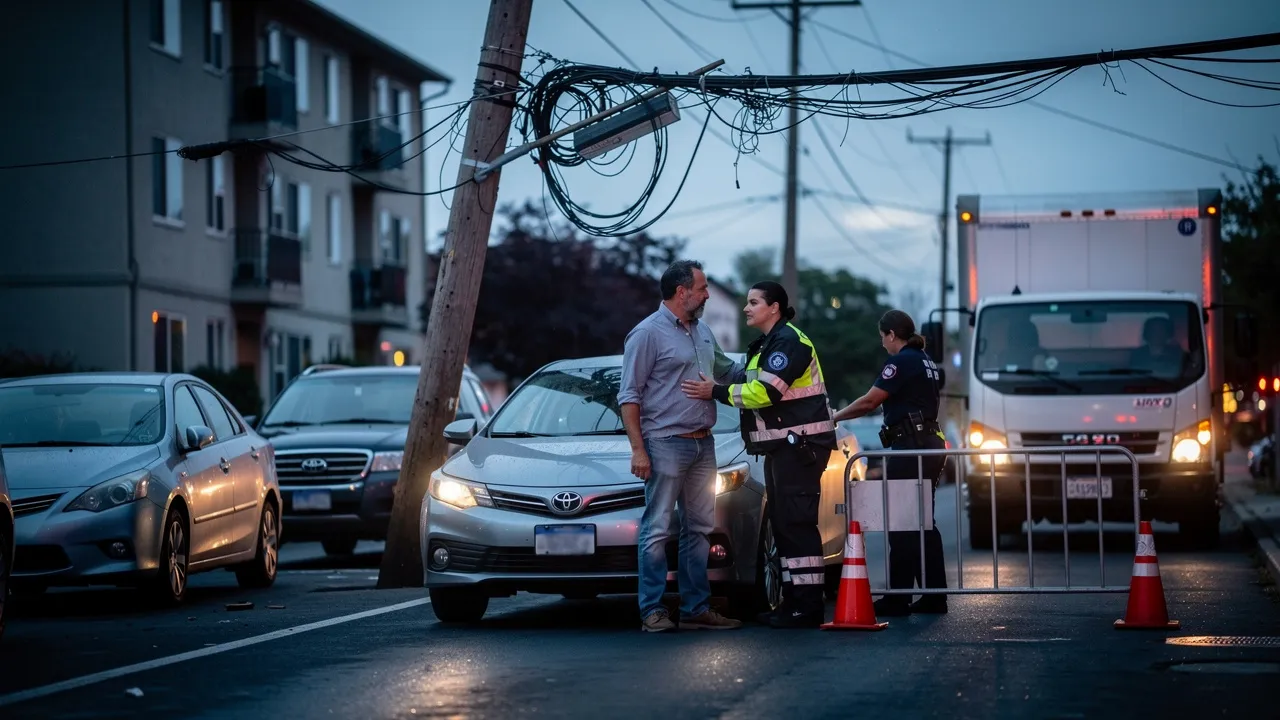
What should you do after an electrical shock in the Bronx?
If you are beside a damaged outlet in a Bronx apartment or waiting after a vehicle crash near the Cross Bronx Expressway, treat an electrical shock as a safety and medical decision first. Move away from danger, obtain qualified medical help when warning signs appear, and preserve the basic record of what happened.
An electrical shock happens when current passes through your body, and its effects depend on the type and source of electricity. The danger also depends on voltage, the current’s path through your body, your overall health, and how quickly you receive treatment.
Do not judge the event only by how long the shock lasted or how your skin looks. An electrical current can affect deeper tissue, the heart, nerves, or muscles even when the visible mark is small or absent.
One registry in Germany recorded 19,502 occupational electrical injuries between 2006 and 2015. The registry recorded 16,684 alternating-current injuries, 1,255 direct-current injuries, and 1,563 injuries involving other or unreported current types.
Direct-current injuries made up between 5.1% and 8.1% of the annually registered occupational electrical injuries in that registry from 2006 to 2015. Those figures describe one German registry, not the severity or outcome of your injury.
The practical order is simple: make the scene safe, identify emergency warning signs, obtain medical evaluation when needed, and preserve records if the event involved a Bronx or New York crash.
How can electrical current injure the body?
Electrical current can injure your body through heat, direct electrical damage, forceful muscle contractions, or a fall, so the skin may show only part of the problem.
Electrical injuries include four broad patterns:
- A flash injury occurs when an arc flash burns the skin without current passing through the body.
- A flame injury occurs when an arc flash ignites clothing and causes a thermal burn.
- A lightning injury involves a very brief, high-voltage electrical event.
- A true circuit injury occurs when your body becomes part of the electrical circuit, usually with contact points where current enters and exits.
Electrical injuries may cause burns, blood clots, muscle tetany, falls, or blast injuries through thermal, electrical, or mechanical trauma. Muscle tetany means a sustained contraction that can make it difficult to release the source.
Heat can damage skin and deeper tissue. Electrical damage can affect tissue that conducts current, including nerves and the heart. Mechanical trauma can follow a forceful contraction, a loss of balance, or a fall from a height.
Voltage is only one factor in an electrical injury; contact duration, the path through the body, and the condition of the skin also affect the damage.
In one survey of people exposed to high- and low-voltage electricity, over 80% had delayed neurological complaints, including numbness, weakness, tingling, or difficulty concentrating. That survey describes its own group and should not be treated as a prediction of your symptoms.
The reported incidence of deep-vein thrombosis was around 1% among burned patients and rose to as much as 23% among hospitalized patients in the review. Those figures concern the reported groups in that review, not every person with an electrical shock.

What injuries can an electrical shock cause even without a large burn?
An electrical shock can injure your heart, breathing system, muscles, nerves, kidneys, eyes, or bones even when the skin mark is small or absent.
A shock can burn the skin or leave no mark, but current can still damage internal organs or cause cardiac arrest. The size of a surface burn may not show the full extent of damage to deep muscle or internal tissues.
Possible effects include:
- Heart problems, irregular heart rhythm, or cardiac arrest.
- Breathing problems, seizures, confusion, or loss of consciousness.
- Burns, muscle injury, kidney dysfunction, or compartment syndrome.
- Pain, tingling, numbness, weakness, or trouble moving a limb.
- Dislocations, fractures, internal-organ injuries, or other blunt-force injuries after a contraction or fall.
An electrical shock can cause cardiac arrest, including ventricular fibrillation, even without burns. A wet, grounded person who contacts a household circuit is one example described in the clinical literature.
Electrical injury can affect any organ. Neurologic complications may include nerve damage, central nervous system disorders, and seizures. Nerve symptoms may improve with time or may be permanent, so continuing symptoms deserve qualified medical attention.
One review reports that electrical injuries affect more than 30,000 people annually in the United States and account for approximately 4% of burn-center admissions among adults and children. The same review reports that about 3% of electrical injuries result in death, with high-voltage injuries responsible for roughly 40% of fatalities and lightning strikes responsible for about 5% of fatalities. These are reported population figures, not a measure of your individual risk.
A small mark does not answer the medical questions by itself. Report the source, contact conditions, symptoms, and any fall or impact when you seek care.

Can electrical-shock symptoms appear later?
Symptoms after an electrical shock can appear after the initial event, so continued or newly developing problems deserve qualified medical evaluation.
Delayed effects can include weakness, altered sensation, memory or attention problems, depression, and cataracts. Neurologic symptoms may include numbness, tingling, or difficulty moving a limb.
Some late consequences may begin 1 to 5 or more years after an electrical injury. Persistent symptoms can be vague or nonspecific, which makes it useful to tell a clinician about the electrical event whenever you seek care for a related problem.
Keep a simple symptom record if problems continue. Write down when a symptom began, what you felt, which body area was affected, and whether the problem changed. Bring that record to a qualified medical professional rather than trying to determine the cause yourself.
Tell the clinician about any earlier loss of consciousness, fall, burn, chest symptom, weakness, or change in concentration. The sequence of events can help place a later complaint in its proper medical context.
How do the source and exposure change the risk?
The source and exposure change the risk because voltage, current type, contact time, contact area, moisture, and the current’s path through your body all affect the injury.
| Exposure description | What the sources describe | Practical boundary |
|---|---|---|
| Low-voltage exposure | Low-voltage shocks are more likely to cause superficial burns, while low-voltage current described as 110 to 220 V tends to cause muscle tetany. | Prolonged contact can cause deeper burns, and a low-voltage injury can still cause severe damage. |
| High-voltage exposure | High-voltage current described as greater than 500 V tends to cause deep burns and larger tissue injuries. | High-voltage exposure calls for emergency help, and you should not approach the source until it is made safe. |
| Alternating current | Low-frequency alternating current can cause prolonged muscle contraction that prevents release. | You may be unable to pull away from the source. |
| Direct current | Direct current is likely to cause a single contraction that often throws a person away from the source. | The resulting fall can create a separate traumatic injury. |
Sources use different voltage cutoffs when describing low- and high-voltage injuries. Do not use a voltage label alone to decide that an exposure was minor. Current, contact duration, the path through your body, moisture, and the contact area also matter.
A prospective cohort study found neurologic injury in 28% of a primarily low-voltage exposure group. That percentage measures the proportion of people with neurologic injury in that study group; it does not establish what will happen to you.
Record what you know about the source, whether the environment was wet, how long contact lasted, and whether current may have traveled across your chest. Give those details to emergency responders or a clinician. Wet or lacerated skin offers much less resistance to electricity and can let current reach deeper structures.
What should you do first, and what should you avoid?
After an electrical shock, protect yourself from the source first, call for help when needed, and provide basic care only after the electrical danger is controlled.
Use this sequence:
- Stay away from a person who is still touching an energized source. Do not touch that person until the power is off and the scene is safe.
- Turn off the electricity only if you can do so without becoming part of the circuit. If the source cannot be turned off and it is safe to act, use a dry, nonconducting cardboard, plastic, or wooden object to move it away from you and the injured person.
- Call 911 or local emergency services for a serious exposure, a dangerous source, or any warning sign described in the next section.
- Do not approach downed power lines. For overhead high-voltage lines or lightning, stay at least 20 feet, or about 6 meters, away until the power is off. Stay farther away if wires are sparking.
- Do not use water on an electrical source or electrical fire. Do not move someone with a possible spinal injury unless movement is necessary for immediate safety.
- If the person is unresponsive and not breathing normally, do not delay CPR. Follow the emergency dispatcher’s instructions.
- Cover a burned area with sterile gauze if available or a clean cloth. Do not apply ice directly to an electrical burn, and try to prevent the injured person from becoming chilled.
Do not return to the source to collect belongings or document the scene. Wait for responders or qualified personnel to make the area safe first.

Which warning signs mean you need emergency help now?
Call emergency services now when an electrical shock causes loss of consciousness, breathing difficulty, chest symptoms, confusion, seizures, severe burns, major weakness or numbness, high-voltage exposure, lightning exposure, or a serious fall.
Call 911 or local emergency services for any of these signs:
- Loss of consciousness or an absent response.
- Trouble breathing, chest pain, palpitations, or an irregular heartbeat.
- Confusion, a seizure, or severe muscle contractions.
- Severe burns.
- Major weakness, numbness, or difficulty moving a limb.
- Contact with high-voltage wires or lightning.
- A serious fall, suspected fracture, or another major injury caused by the shock.
Do not wait to see whether these symptoms improve. Tell the dispatcher that an electrical shock occurred and describe the source, the person’s condition, and the location.
Emergency attention is also appropriate when you cannot establish that the source is safe. Keep other people away from the area while you wait for responders.
When should you arrange prompt qualified medical evaluation?
Arrange prompt qualified medical evaluation after an electrical shock when symptoms continue, the exposure was more than a minor household event, or you are unsure how the current affected your body.
A minor household shock with no burns, chest symptoms, loss of consciousness, or ongoing symptoms may be monitored, with contact with a healthcare professional if you are concerned. That limited situation does not cover high-voltage exposure, lightning, a serious fall, or any warning sign listed above.
Clinicians assess an electrical shock with a physical examination, a neurologic examination, and questions about what happened. Witnesses or first responders may provide the history when you cannot.
Early emergency care is described as critical for reducing mortality and improving outcomes after electrical burn injuries. Seek care rather than relying on the appearance of the skin, especially when the exposure involved prolonged contact, moisture, a current path across the body, or a fall.
A review says most patients without significant injury or cardiac abnormalities on initial assessment are unlikely to develop cardiac abnormalities after 24 to 48 hours. That statement applies to the population without those initial findings; it should not be extended to someone with significant injury or an initial cardiac abnormality.
Bring the details of the source, the contact time, the current’s possible path, and any fall or impact to the evaluation. If another person witnessed the event, ask that person to explain what happened to the medical team.
What should you document after an electrical injury connected to a Bronx or New York crash?
After an electrical injury connected to a Bronx or New York vehicle or rideshare crash, document the event, the source, your symptoms, and the medical care you received.
Kohn, we investigate cases by gathering police reports, photos, witness statements, and medical records. Organize those materials with the event timeline so the connection between the crash, the electrical exposure, and the medical care is clear.

What should you consider before requesting a qualified legal consultation?
Before seeking qualified legal review, organize the medical record and the event record, then explain how the electrical injury connects to the Bronx or New York vehicle or rideshare crash.
Bring the incident details, photographs, witness information, police or incident reports, and medical records you have gathered. Identify the immediate safety steps you took, the symptoms that followed, and any later medical evaluation.
Kohn serves clients in the Bronx and can arrange visits at your home or in the hospital. For injury concerns, seek qualified medical evaluation; for questions about a related Bronx or New York crash, speak with a qualified attorney.
Frequently asked questions about electrical shock injuries after a Bronx crash
What should I do if symptoms develop after I was sent home?
Seek immediate emergency evaluation for chest pain, palpitations, lightheadedness, loss of consciousness, breathing problems, worsening weakness or numbness, or signs of wound infection. New or continuing neurologic symptoms, such as tingling, memory problems, or difficulty concentrating, also warrant prompt qualified medical attention. Tell the clinician when the electrical exposure occurred and what symptoms changed.
How should I describe an electrical shock when I do not know the voltage?
Do not guess the voltage. Describe the source, whether the area was wet, how long contact lasted, whether you could let go, where current may have entered and exited, and whether you fell or struck anything. Tell responders or clinicians about loss of consciousness, chest symptoms, burns, weakness, numbness, or breathing changes. A witness can provide useful details if you cannot.
Can an electrical injury affect a legal review if the skin looks normal?
It can be relevant to a qualified review when the exposure occurred during a Bronx or New York vehicle or rideshare crash, even without a large visible burn. Preserve medical records, photographs, witness information, incident reports, and a symptom timeline. Do not return to an energized location for evidence; document it only from a safe place after qualified personnel make the scene safe.
Hurt like this?
We handle Car Accidents cases in the Bronx.
Evan W. Kohn, Esq. — more than 35 years of Bronx personal-injury practice. Reading about it only goes so far; a free consultation tells you what actually applies to your case.