
Bus & Subway Accidents
What Happens After a Bronx Subway Platform Fall Injury?
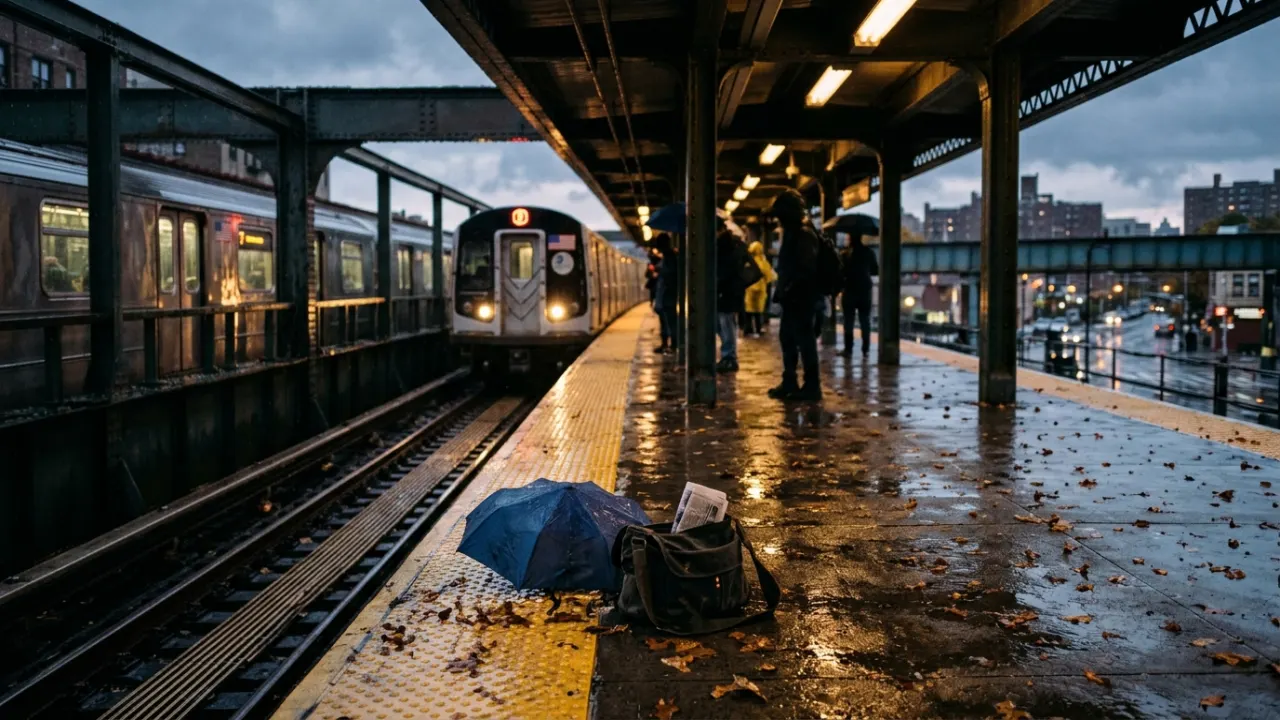
A fall on a Bronx subway platform can leave you hurt, shaken, and unsure what to do next. Rain, wet leaves tracked indoors, and earlier autumn darkness can make conditions harder to see and more slippery, but a fall is not automatically your fault.
In the first hours and days, the steps you take may affect both your recovery and your ability to pursue a claim. We encourage you to focus on medical care, report what happened, preserve what you can, and avoid making quick assumptions about who caused the fall.
Get Medical Care and Report the Fall
Your health comes first. Even if you are able to stand up or walk away after a fall, some injuries do not fully show themselves right away. A concussion, fracture, back injury, soft-tissue damage, or worsening of a prior condition may become more painful over time.
We often advise injured riders to seek prompt medical attention and clearly explain that the injury happened at a subway station. Keep copies of discharge papers, test results, prescriptions, appointment notes, and bills connected to your care.
If possible, tell a station agent, conductor, transit employee, or police officer what happened before leaving the station. Ask whether an incident report can be made, and write down the name, badge number, or job title of any employee who responds.
Conditions on a platform can change fast. Water may be mopped up, debris may be removed, or a crowded rush period may hide the problem. If you are physically able, or if someone with you can help, try to preserve details such as:
- Water, slush, leaves, trash, or other debris on the walking surface
- Broken tiles, uneven pavement, damaged stairs, or missing handrails
- Poor lighting, blocked views, or missing warning signs
- Your footwear and any visible cuts, bruises, or torn clothing
Identify Who Controlled the Platform
A subway platform fall may involve more than one organization. Responsibility can depend on who owned, operated, maintained, inspected, or created the dangerous condition at that particular location. The New York City Transit Authority, the Metropolitan Transportation Authority, a contractor, a cleaning company, or another party could be involved.
Not every dangerous condition is obvious at first. Our firm can help examine whether the fall involved a preventable problem, such as accumulated water, snow, loose tiles, poor lighting, damaged stairs, overcrowding, maintenance work, or a hazard left behind by a contractor.
Finding the right responsible party matters early. A subway accident attorney in the Bronx can investigate who controlled the area and whether that party knew, or reasonably should have known, about the unsafe condition. Different agencies and companies may have different procedures and deadlines, so guessing can create avoidable problems.
Pay Attention to Public Transit Deadlines
Claims involving public transportation entities can have time limits that are different from those in an ordinary injury case. In some situations, a Notice of Claim or another formal notice may be required before a person can move forward. Missing a required notice deadline can put a claim at risk.
The proper deadline and filing process depend on the entity connected to the station and the circumstances of the fall. We do not recommend relying on what someone heard from a friend, read on social media, or assumed because the accident happened in the subway system.
October accidents can be especially easy to place on the back burner. Holiday travel, changing weather, work demands, and medical appointments can make weeks pass quickly. Prompt legal guidance can help identify the potentially responsible entity, preserve available options, and prevent important paperwork from being overlooked.
Show Why the Fall Happened
Being injured in a fall does not, by itself, explain why someone else may be responsible. A claim generally needs evidence connecting the injury to a dangerous condition, poor maintenance, inadequate inspection, or another preventable failure.
This is where early documentation can make a real difference. Evidence may disappear, memories can fade, and video may not remain available forever. Depending on the situation, we may look for:
- Station surveillance footage and incident reports
- Cleaning schedules, maintenance logs, and inspection records
- Weather information from the time of the fall
- Statements from witnesses who saw the condition or the accident
- Medical records, photographs, and records of missed work or daily limitations
Transit authorities and insurance representatives may argue that you were distracted, wore unsuitable footwear, ignored a warning, or caused the fall yourself. Those arguments do not tell
the whole story in every case. A subway accident attorney in the Bronx can review the setting, the condition of the platform, available records, and the events leading up to the injury.
Preserve Information Before Time Runs Out
After a platform fall, keep a simple file with everything related to the incident. Save photographs, medical paperwork, receipts, written notes about pain or limitations, witness contact information, and communications from transit agencies or insurers. Writing down what you remember soon after the accident can also help because small details, such as where you stepped or what the lighting looked like, may become harder to recall later.
Before giving a recorded statement or accepting an early settlement offer, it can help to understand the full extent of your injuries and the legal options that may apply. Taking care of your health, reporting the fall, and preserving information can put you in a stronger position while the facts are still available.
Protect Your Rights After A Subway Fall
The Law Offices of Evan W. Kohn can help you understand your next steps and evaluate the circumstances of your injury. Speak with a subway accident attorney in the Bronx about the information that may support your claim. Contact us to arrange a consultation with our team.
Hurt like this?
We handle Bus & Subway Accidents cases in the Bronx.
Evan W. Kohn, Esq. — more than 35 years of Bronx personal-injury practice. Reading about it only goes so far; a free consultation tells you what actually applies to your case.