
Personal Injury Basics
4 Best Practices for Choosing a Lawyer for SSI Appeals

Introduction
Navigating the SSI appeals process can feel overwhelming and isolating, leaving many unsure of where to turn for help. But with the right support, you can turn this daunting journey into a manageable one. Understanding what to look for in an attorney and how to communicate effectively can make all the difference in navigating this complex system.
Identify the Right Lawyer for Your SSI Appeal
Finding the right lawyer for SSI appeals can feel overwhelming, but it doesn’t have to be. Here are some steps to guide you through the process:
- Specialization: Look for attorneys who specialize in Social Security Disability (SSD) and Supplemental Security Income (SSI) cases. Their focused knowledge ensures they understand the nuances of the law and the review process. Did you know that only about 38% of initial requests for Social Security disability benefits get approved? Having a lawyer for SSI appeals by your side can make a world of difference, as they can significantly enhance your chances of receiving the benefits you deserve.
- Experience: Take a moment to assess the attorney’s experience with SSI cases. In fact, experts predict that by 2026, those with experienced legal representation will see positive results in about 83% of cases. Inquire about their success rates and the number of cases they’ve handled; a lawyer for SSI appeals with a proven track record is more likely to navigate your case effectively.
- Referrals and Reviews: Reach out to trusted sources for recommendations, whether it’s friends, family, or support groups. Online reviews and testimonials can shed light on the lawyer’s reputation and client satisfaction. Remember, positive client experiences often correlate with higher success rates, making this an essential step in your selection process.
- Consultation: Schedule a consultation to discuss your situation. This meeting allows you to gauge the attorney’s communication style, their approach to your case, and their willingness to answer your questions. It’s crucial that you feel comfortable and confident in their abilities, as effective communication is vital for a successful attorney-client relationship.
- Fee Structure: Make sure you understand the attorney’s fee structure. Most disability attorneys work on a contingency basis, meaning they only get paid if you win your case. Typical fees for social security advocates can range from 25% to 33% of the back pay granted, with a cap of $9,200 for overdue benefits in 2025. Clarify any upfront costs or additional fees that may apply.
With the right support, you can navigate this process with confidence and hope for a brighter future.

Prepare Comprehensive Documentation and Evidence
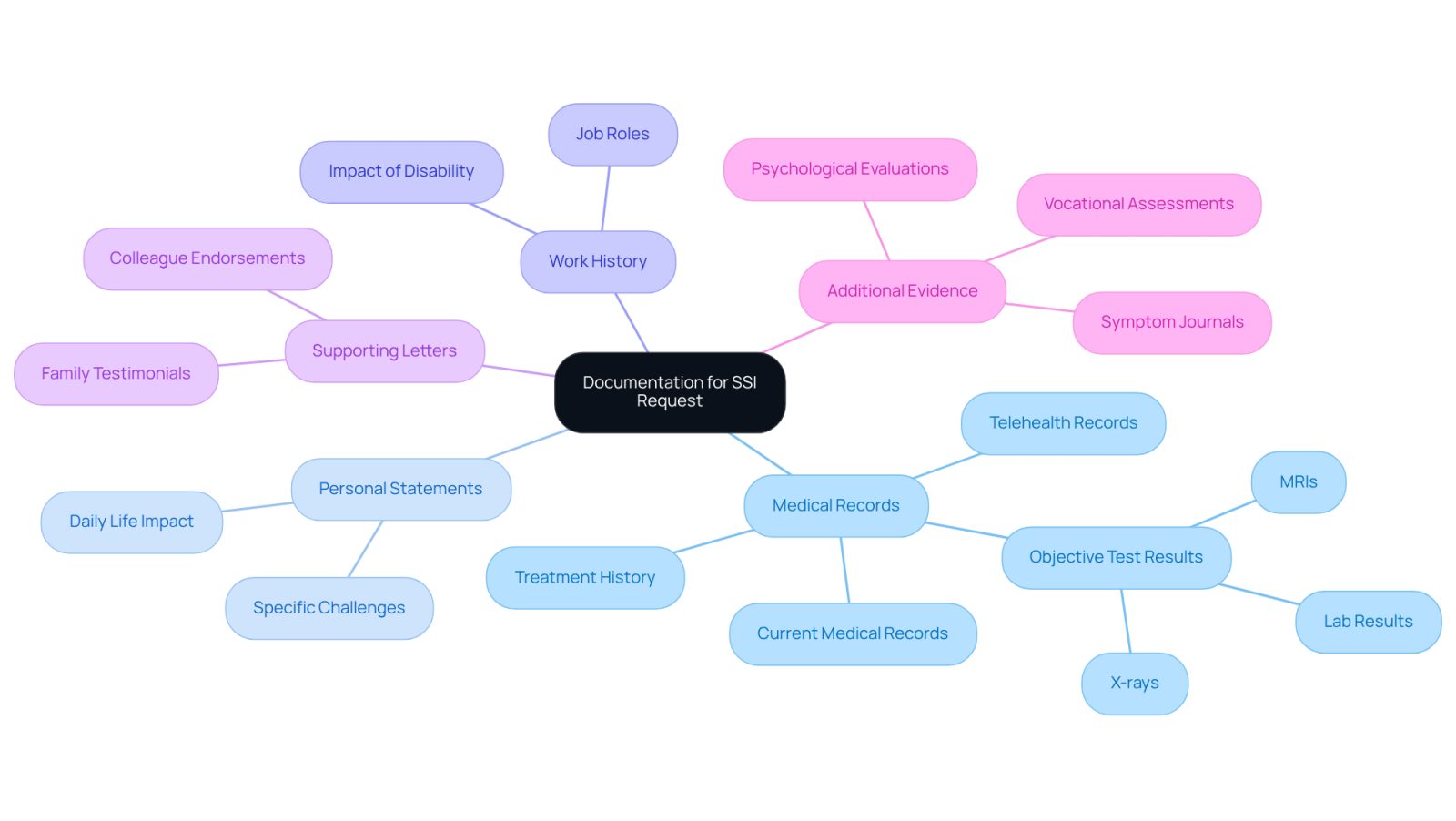
Gathering the right documentation for your SSI request can feel overwhelming, especially when you’re already facing so many challenges. Here are some important pieces to consider as you prepare your case:
- Medical Records: Collect all pertinent medical records that detail your condition, treatment history, and any limitations affecting your daily activities. Make sure these records are current and include notes from your healthcare providers. Complete and accurate medical information is crucial for the SSA’s evaluation of disability claims. Telehealth records can also serve as important documentation of ongoing care and help establish a consistent medical history.
- Personal Statements: Draft a personal statement that outlines how your disability impacts your daily life. Share specific examples of challenges you encounter, such as difficulties with mobility, social interactions, or completing everyday tasks. Documenting how your condition affects daily activities can offer concrete evidence for your appeal.
- Work History: Think about your work history and how your disability has affected your ability to perform your job. Include details about your roles and why you left each position. This information is vital in demonstrating the impact of your disability on your daily activities, as the SSA requires documentation of work history.
- Supporting Letters: Secure letters from family members, friends, or colleagues who can attest to your condition and its effects on your life. These testimonials provide additional context and support for your claim, reinforcing the narrative of your disability’s impact.
- Additional Evidence: Consider including vocational assessments, psychological evaluations, or any other relevant documentation that can strengthen your case. Comprehensive medical documentation significantly improves the chances of Social Security Disability benefits approval, as it helps validate claims. Incorporating structured documentation, like classifying files and keeping a chronological sequence, can enable easier access during the SSDI application.
Taking the time to organize your documentation not only strengthens your case but also empowers you in your journey toward securing the support you deserve.
Maintain Open Communication with Your Lawyer
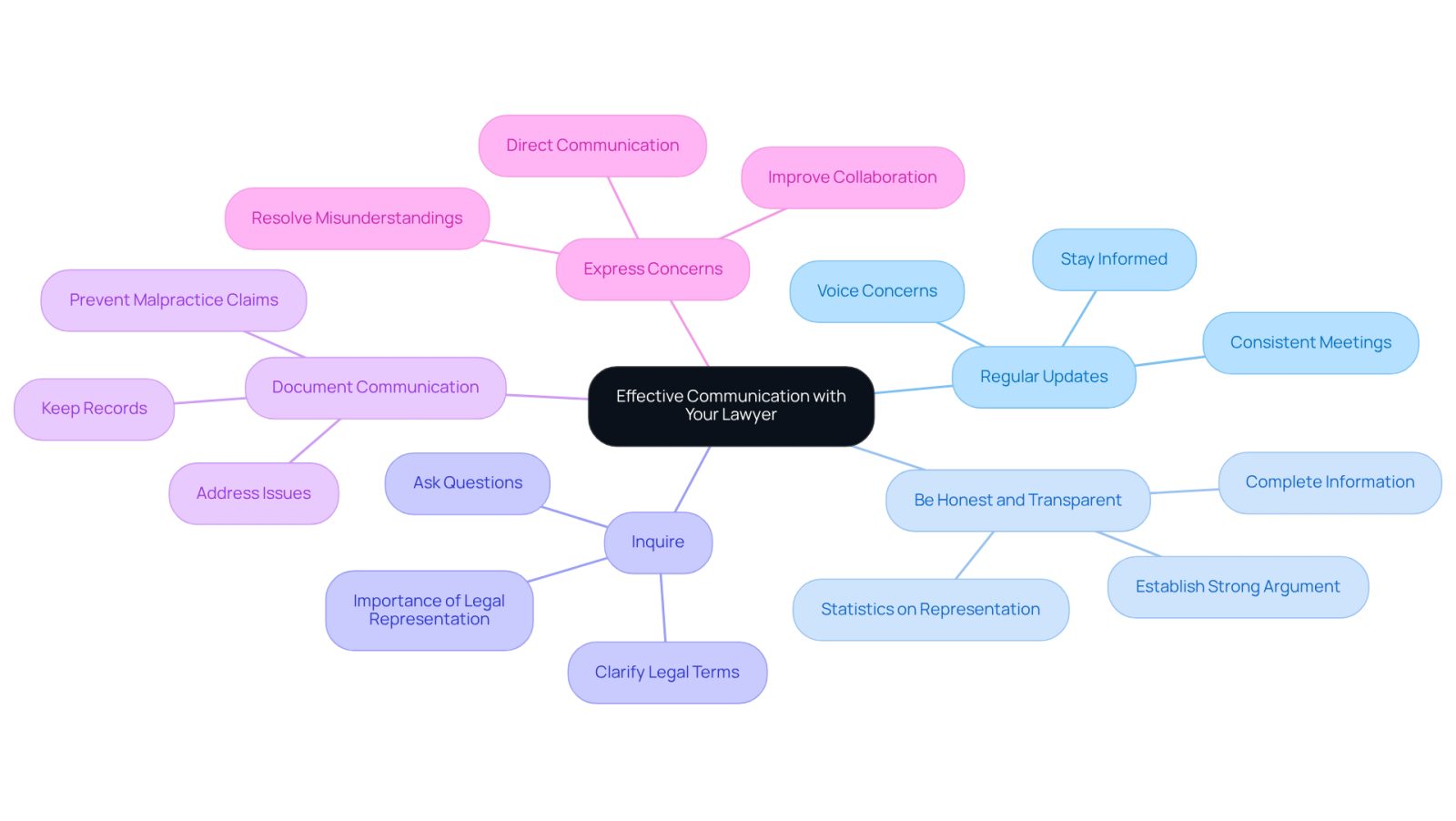
Navigating the SSI appeal process can feel daunting, especially when it comes to communicating with your lawyer for SSI appeals. Here are some best practices to ensure a productive relationship:
- Regular Updates: Arrange consistent meetings with your attorney to talk about the progress of your situation. This way, you stay in the loop and can quickly voice any concerns. Regularly scheduled check-ins, even without new information, help clients feel informed and valued.
- Be Honest and Transparent: Provide your lawyer with complete and accurate information about your condition and any changes that occur. Transparency is essential for establishing a strong argument. Statistics show that disability applicants who used representatives were awarded benefits 2.9 times as often as those without, emphasizing the importance of effective communication.
- Inquire: Don’t hesitate to ask questions about the procedure, your case, or any legal terms you don’t understand. Your attorney should be ready to explain anything that feels unclear to you. Remember, 60% of applicants who engaged a lawyer for SSI appeals were approved for benefits, highlighting the necessity of having legal representation during the appeal process.
- Document Communication: Keep a record of all communications with your attorney, including emails, phone calls, and meetings. This documentation can be helpful if any issues arise later. Poor communication is a systemic problem in the legal industry, with 90% of malpractice claims resulting from it, so maintaining clear records is essential.
- Express Concerns: If you feel that communication is lacking or if you have concerns about your case, address these issues directly with your legal representative. Open dialogue can help resolve misunderstandings and improve collaboration.
When you keep the lines of communication open, you help your lawyer stay informed and ready to fight for you. Incorporating these practices can significantly enhance your chances of a successful result in your SSI request.
Understand the Appeals Process and Timeline
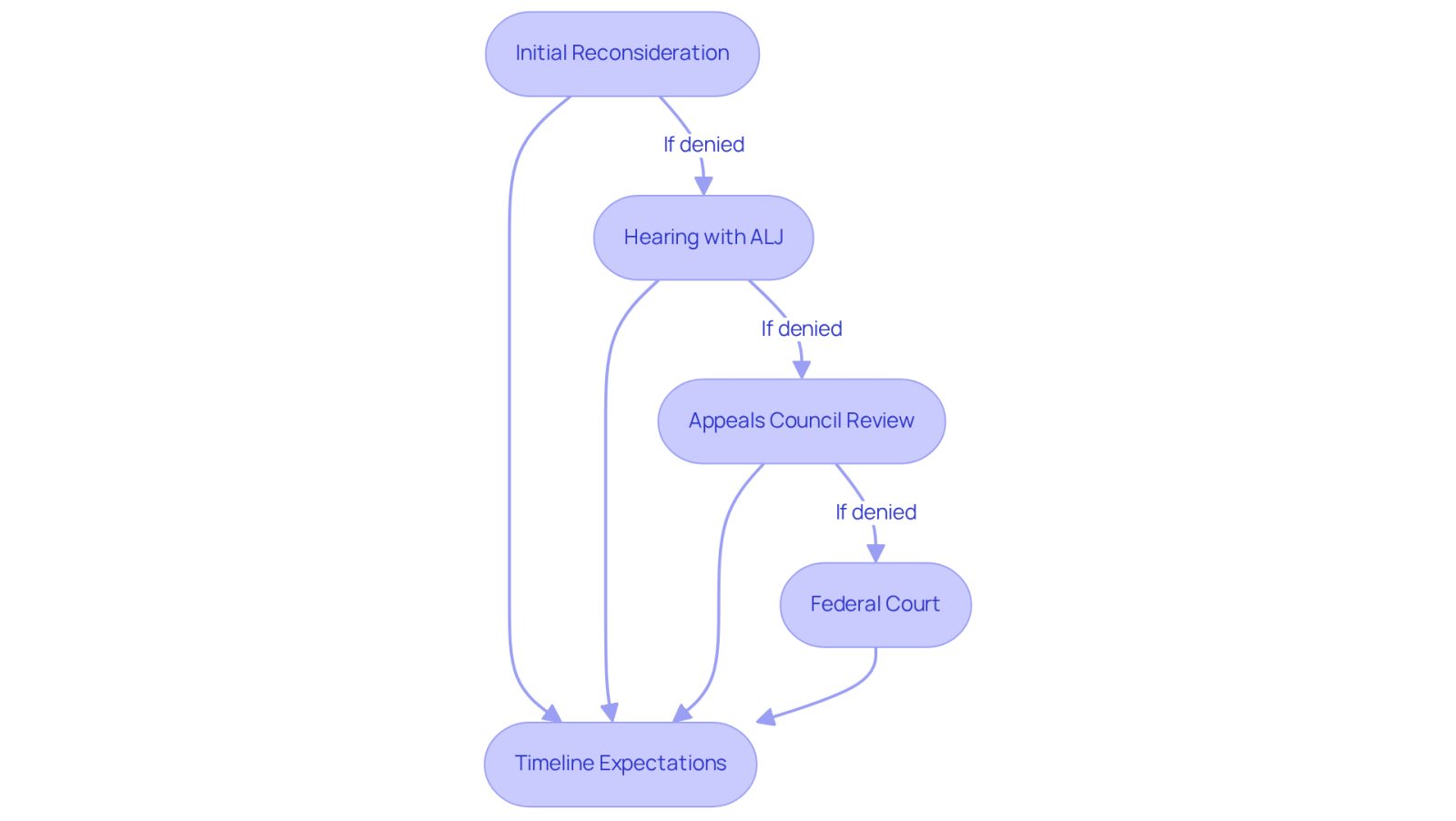
Understanding the SSI review system can feel overwhelming, especially when you’re already facing so many challenges. Here’s a closer look at the essential stages and timelines that can help you prepare effectively:
- Initial Reconsideration: After receiving a denial, you have 60 days to request reconsideration. This is your first step in the review process, where the Social Security Administration (SSA) will take another look at your case.
- Hearing with an Administrative Law Judge (ALJ): If your reconsideration is denied, you can request a hearing before an ALJ. Keep in mind that scheduling this hearing can feel like a long wait, often taking several months. Patience and thorough preparation are key during this time.
- Appeals Council Review: Should the ALJ reject your claim, you have the option to request a review from the Appeals Council. They will assess the ALJ’s decision to determine whether to uphold or overturn it.
- Federal Court: If the Appeals Council denies your request, you can file a lawsuit in federal court. This step often feels like a daunting last resort, and it can stretch the timeline even further, adding to your stress.
- Timeline Expectations: The entire review process can stretch on for up to two years, which can feel incredibly frustrating, especially when you’re waiting for the support you need. It’s important to know that individuals who hire a disability attorney are nearly three times more likely to be approved for benefits at the hearing stage, highlighting the value of having legal representation.
By staying informed and seeking support, you can navigate this process with greater confidence and hope for a positive outcome. Additionally, recent enhancements announced by the SSA aim to empower claimants with self-service options and digital tools, making it easier to navigate the appeals process.
Conclusion
Navigating the SSI appeals process can feel like an uphill battle, but you don’t have to face it alone. Finding the right lawyer for SSI appeals is a crucial step in securing the benefits you deserve. By focusing on specialized attorneys with experience in Social Security Disability and Supplemental Security Income cases, you can significantly enhance your chances of a successful appeal. It’s important to remember that thorough documentation, open communication, and a clear understanding of the appeals process are vital in navigating the complexities of SSI claims.
Many individuals feel overwhelmed and uncertain about where to start. Key insights from this article highlight the necessity of selecting a lawyer who not only specializes in SSI appeals but also has a proven track record of success. Gathering comprehensive documentation, including medical records and personal statements, is essential for building a strong case. Furthermore, maintaining open lines of communication with your attorney ensures that you remain informed and engaged throughout the process, ultimately leading to better outcomes.
With the right legal guidance, you can transform that uncertainty into a clear path forward. The journey through the SSI appeals process can be daunting, but with the right support and preparation, you can approach it with confidence. It’s essential to take proactive steps in selecting a qualified attorney, preparing necessary documentation, and fostering effective communication. With the right support, you can turn the tide in your favor and secure the benefits you truly deserve.
Frequently Asked Questions
What should I look for in a lawyer for my SSI appeal?
Look for attorneys who specialize in Social Security Disability (SSD) and Supplemental Security Income (SSI) cases, as their focused knowledge ensures they understand the nuances of the law and the review process.
How does having a lawyer affect my chances of getting SSI benefits?
Having a lawyer for SSI appeals can significantly enhance your chances of receiving benefits, as only about 38% of initial requests for Social Security disability benefits get approved.
What level of experience should I seek in an SSI lawyer?
Seek an attorney with substantial experience in SSI cases. Experts predict that by 2026, those with experienced legal representation will see positive results in about 83% of cases.
How can I find reputable SSI lawyers?
Reach out to trusted sources for recommendations, such as friends, family, or support groups. Additionally, online reviews and testimonials can provide insight into the lawyer’s reputation and client satisfaction.
Why is a consultation important when choosing an SSI lawyer?
A consultation allows you to gauge the attorney’s communication style, approach to your case, and willingness to answer your questions, ensuring you feel comfortable and confident in their abilities.
What should I know about the fee structure of SSI lawyers?
Most disability attorneys work on a contingency basis, meaning they only get paid if you win your case. Typical fees range from 25% to 33% of the back pay granted, with a cap of $9,200 for overdue benefits in 2025. Clarify any upfront costs or additional fees that may apply.
List of Sources
- Identify the Right Lawyer for Your SSI Appeal
- 4 Key Tips for Finding Lawyers to Help with Social Security
- 4 Best Practices for Choosing a Social Security Appeal Lawyer
- 5 Steps to Find the Best Social Security Lawyers Near You
- How Likely Is It to Win an SSD Disability Appeal? | Crowe & Shanahan
- Choosing the Right Social Security Disability Attorney
- Prepare Comprehensive Documentation and Evidence
- How Likely Is It to Win an SSD Disability Appeal? | Crowe & Shanahan
- Allsup Highlights Importance Of Appeals Amid Declining SSDI Approval Rates, What To Expect In 2026
- What Evidence Strengthens Disability Appeals? | Arnold & Arnold LLC
- The Importance of Medical Records in SSDI Claims – Nyman Turkish
- Social Security Administration Announces New Online Tools and Notices for Disability Claims
- Maintain Open Communication with Your Lawyer
- Nearly 80% of Law Firm Clients Feel Uncared For: New Survey Reveals Major Disconnect
- 10 Questions to Ask Your Social Security Disability Lawyer – Joyce and Bary Law
- Survey Statistics: Is a Social Security Disability Lawyer Worth It?
- Chances of Winning Disability with a Lawyer: Data Revealed — Impact Disability Law
- The Attorney-Client Relationship: A Communication Perspective
- Understand the Appeals Process and Timeline
- Social Security Administration Announces New Online Tools and Notices for Disability Claims
- Social Security Appeals Council– New Statistics Released
- SSDI Appeals Council Appeal Guide 2026: Deadlines, Remands
- How Long Does a Disability Appeal Take in New York?
- How Long Does an SSI Appeal Take? Understanding Timelines in 2026
Hurt like this?
We handle Personal Injury Basics cases in the Bronx.
Evan W. Kohn, Esq. — more than 35 years of Bronx personal-injury practice. Reading about it only goes so far; a free consultation tells you what actually applies to your case.