
Wrongful Death
Understanding Structured Settlement Buyout Percentage: A Step-by-Step Guide
Introduction
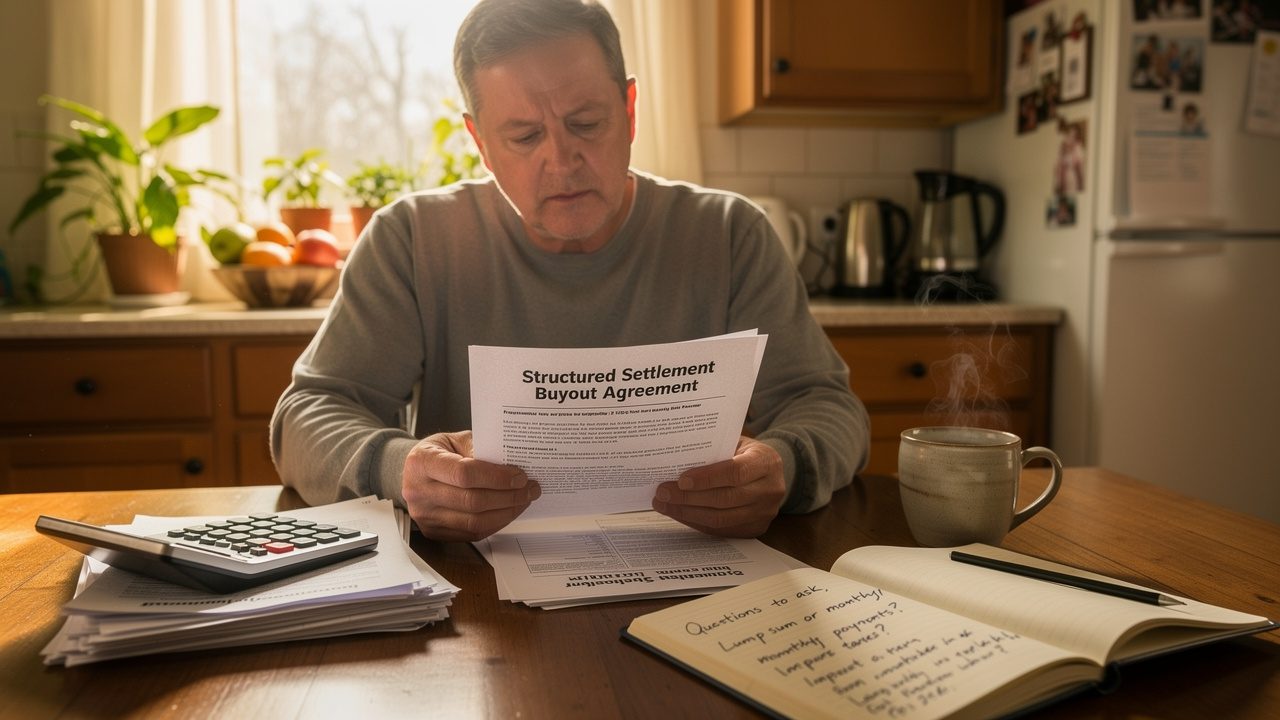
Navigating the aftermath of a personal injury or wrongful death can feel daunting, especially when it comes to understanding structured settlements. These arrangements can provide a steady stream of payments, offering vital support during challenging times. Yet, many individuals feel overwhelmed by the complexities of selling their structured settlements, unsure of the best path forward. This uncertainty can lead to anxiety about their financial future, making it crucial to understand the implications of their choices. By recognizing these complexities, individuals can take proactive steps to protect their financial well-being and make choices that truly serve their needs.
Define Structured Settlements and Their Functionality
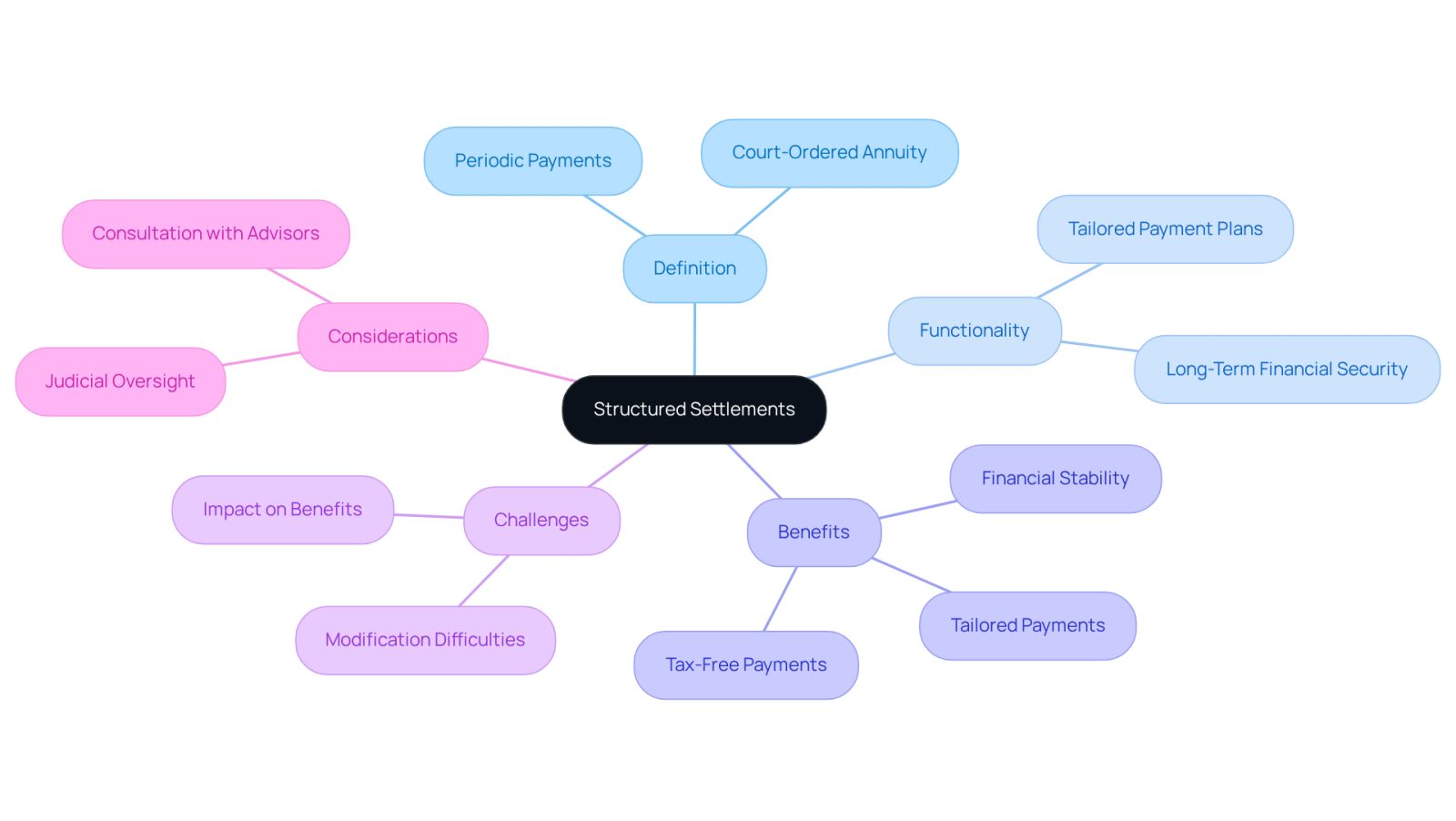
Imagine facing the aftermath of an accident, where financial stability feels out of reach; this is where structured settlements come into play. A structured settlement is a way to receive compensation in personal injury or wrongful death cases, providing you with periodic payments instead of a lump sum. This approach can offer a lifeline, providing the financial support you need to navigate the challenges ahead.
These payments can be tailored to fit your unique situation, whether it’s covering medical bills, daily living expenses, or other important costs. It’s designed to help you maintain long-term economic security, allowing you to receive tax-free payments over time. For many, especially those facing severe injuries, this steady support is crucial for addressing essential medical and living costs throughout their lives.
Structured settlements are also beneficial in wrongful death cases, helping families cope with lost earnings and providing stability during uncertain times. However, once you’ve set up a structured settlement, making changes can feel like an uphill battle, often requiring court approval. This means that while structured settlements offer security, they can also lead to unexpected hurdles down the road.
It’s important to be aware that these arrangements may affect your eligibility for Medicaid or disability benefits. Seeking guidance from legal and financial advisors can help you navigate these complexities effectively. Understanding these complexities is crucial, as they can significantly impact your financial future and peace of mind.
Explain the Mechanics of Structured Settlement Buyouts
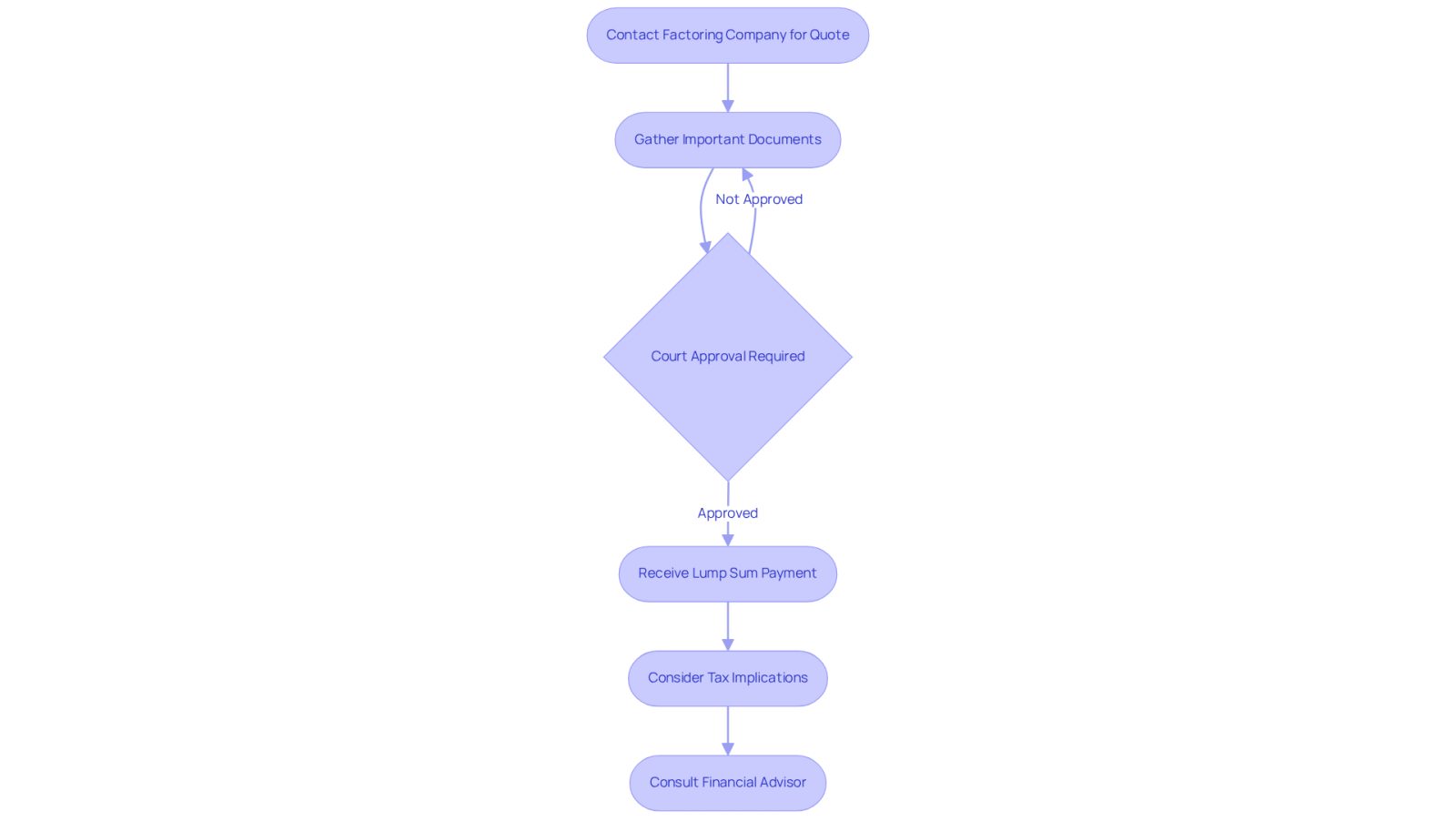
Navigating the complexities of structured compensation can feel overwhelming, especially when you’re trying to secure your financial future. It all starts when you reach out to a factoring company, seeking a quote for your future payments, a step that can feel daunting. Once you reach an agreement, you’ll need to gather important documents, like your original settlement agreement and proof of identity. This process can be stressful, especially knowing that a court must approve the acquisition to ensure it’s in your best interest.
You might find that the lump sum you receive, based on the structured settlement buyout percentage, is less than the total value of your future payments, which can be disheartening. The acquiring company often applies a discount rate, considering the time value of money and the risks involved. This rate can vary based on market conditions and the specifics of your compensation arrangement.
In New York, the journey of a structured compensation buyout can stretch from 45 to 90 days, a timeline that can feel frustrating and uncertain. It’s important to be aware that buyers often charge a structured settlement buyout percentage in fees ranging from 9% to 18% of the purchase price, which can significantly impact what you ultimately receive. Taking the time to carefully evaluate your offers can make a world of difference in securing the best financial outcome for yourself.
Don’t forget to consider the potential tax implications of selling your structured payments, as this can affect your financial situation. Generally, selling payments related to personal injury doesn’t incur tax liabilities, but it’s wise to consult with a financial advisor to understand your unique circumstances.
Real-life experiences show just how important it is to understand the nuances of structured agreements. Individuals who have sold their structured settlement payments often report varying experiences based on the buyer’s transparency and customer service. Interacting with trustworthy purchasers can lead to better financial choices and outcomes. Consulting with a financial advisor before proceeding with a purchase is also recommended to explore alternatives and understand potential tax implications. Understanding your options can empower you to make choices that truly benefit your financial well-being.
Identify Factors Influencing Buyout Percentage
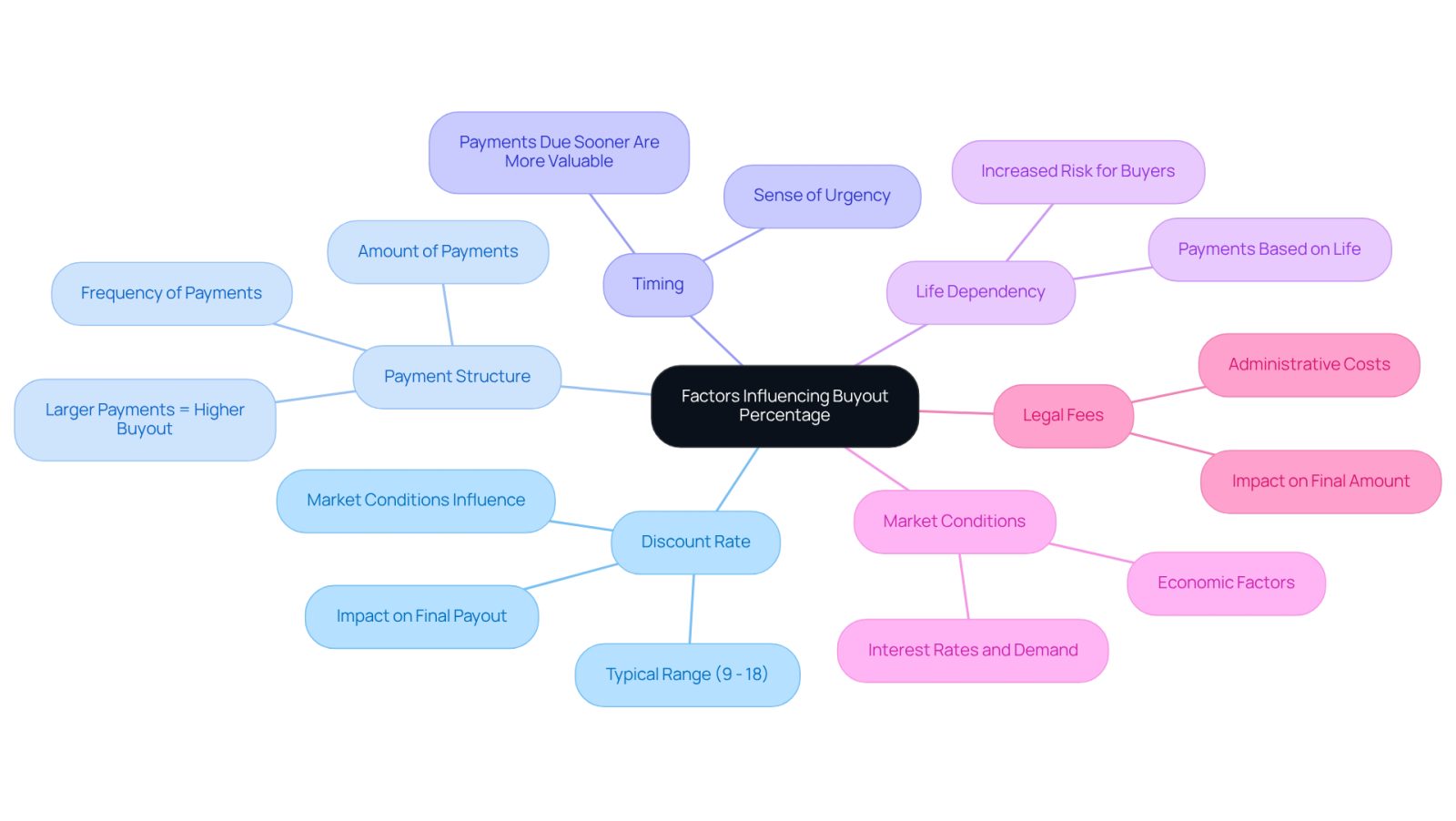
Selling your structured settlement can feel like a daunting decision, especially when it comes to understanding the true value of your future payments. Several factors influence the structured settlement buyout percentage that is offered, and it’s crucial to grasp how they can affect your financial well-being.
- First, consider the discount rate. This rate can significantly impact how much less you might receive compared to the total value of your future payments. Typically ranging from 9% to 18%, it varies based on market conditions and the buyer’s assessment of risk. Understanding this can leave you feeling uncertain about your financial choices.
- Next, think about the payment structure. The frequency and amount of your remaining payments can greatly influence the offer you receive. Larger or more frequent payments may lead to a higher structured settlement buyout percentage, providing reassurance when you’re weighing your options.
- Timing is also essential. Payments due sooner are generally more valuable than those scheduled for later dates, as they present less risk to the buyer. This can create a sense of urgency, making it vital to act thoughtfully.
- Additionally, if your payments depend on your life, this can reduce the percentage you receive due to the heightened risk for the purchaser. It’s a sobering thought, but one that underscores the importance of understanding your situation fully.
- Market conditions play a role too. Economic factors, such as interest rates and the demand for structured settlements, can influence the structured settlement buyout percentage that you might receive. Staying informed about these elements can empower you to make better decisions.
- Lastly, don’t overlook legal and administrative fees. These costs can decrease the final amount you receive, affecting your overall payout. It’s essential to factor these into your calculations.
It’s important to be aware of the potential downsides of selling your structured settlement, like the risk of receiving less money overall and the possibility of losing out on future financial security. Taking the time to explore your options can make all the difference in securing your financial well-being for the future. Seeking guidance from a consultant before making a choice is strongly advised to prevent possible monetary loss. Moreover, evaluating proposals from various firms is crucial, as this can result in improved monetary results and guarantee that you make knowledgeable choices concerning your structured compensation.
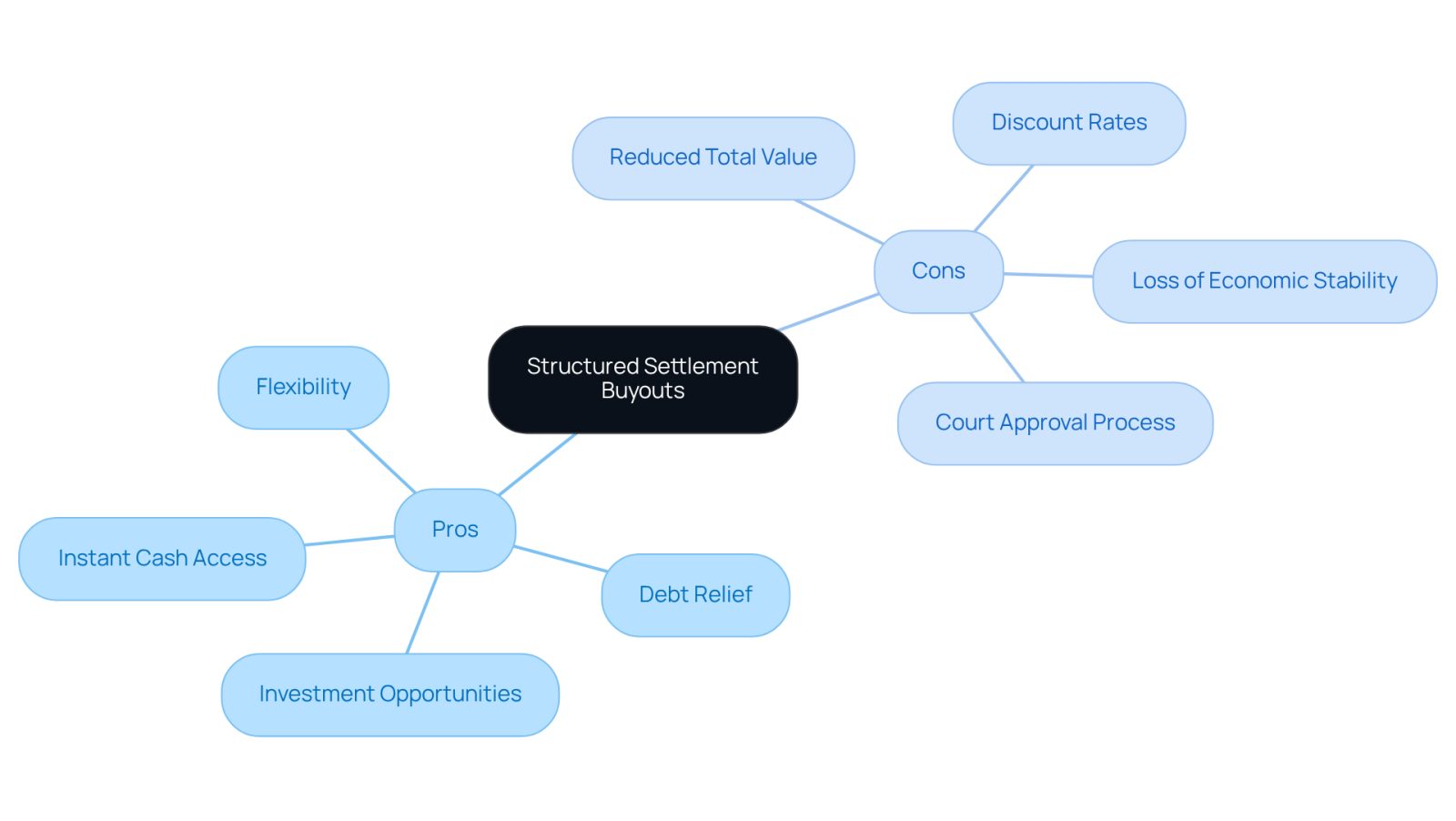
Evaluate Pros and Cons of Structured Settlement Buyouts
When faced with the decision of a structured settlement buyout percentage, many individuals grapple with the weight of their financial future, unsure of the best path forward. It’s essential to weigh both the pros and cons carefully.
Pros:
- Instant Cash Access: A buyout offers instant access to cash, which can be a lifesaver for those dealing with urgent monetary needs, like medical bills or unexpected costs.
- Debt Relief: Selling a planned settlement can help pay off debts or cover unforeseen expenses, providing much-needed financial assistance.
- Investment Opportunities: The lump sum received can be invested in higher-yield options, potentially generating greater returns than the scheduled payments.
- Flexibility: A buyout gives individuals more control over their finances, allowing them to use the lump sum in ways that best suit their needs.
However, it’s crucial to consider the downsides of the structured settlement buyout percentage as well.
Cons:
- Reduced Total Value: The lump sum received is often less than the total value of the remaining payments, meaning individuals may miss out on potential future income. Imagine facing unexpected expenses down the line, only to realize that your decision to take a lump sum has left you without the financial cushion you once had.
- Discount Rates: The average discount rate for organized compensation purchases varies from 9% to 18%, which can significantly decrease the amount obtained, leading to a less favorable financial outcome.
- Loss of Economic Stability: By opting for a cash payout, individuals may forfeit the long-term economic security that structured compensation offers, particularly if they encounter future monetary difficulties. This choice might seem beneficial now, but it could lead to financial struggles in the future, leaving you feeling vulnerable and uncertain.
- Court Approval Process: Navigating the court approval process can feel overwhelming, especially when you’re already dealing with so much. It can take time and may come with unexpected legal fees, adding to your stress.
Understanding these factors is essential, as the choice you make today could shape your financial landscape for years to come. Furthermore, case studies show that buyouts are often warranted for specific financial needs, such as purchasing a home or settling high-interest debts, highlighting the practical uses of this option.
Outline Steps to Initiate a Structured Settlement Buyout
If you’re feeling overwhelmed by your financial situation after an accident, you’re not alone.
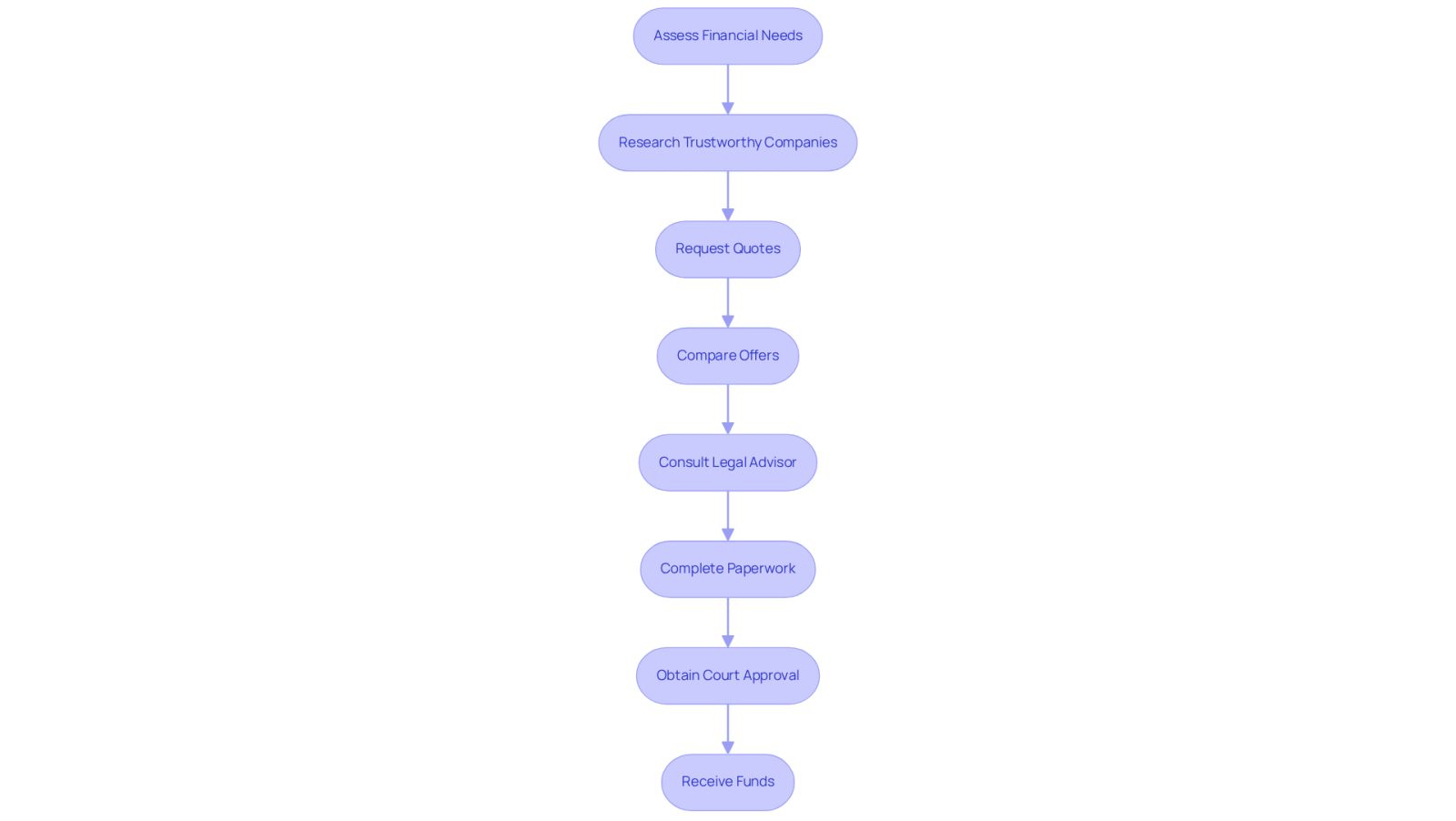
- Think about how much money you truly need right now: It’s important to understand your financial requirements and evaluate if the structured settlement buyout percentage aligns with your goals.
- Look for companies that you can trust to help you with your buyout, especially those that can provide insights on the structured settlement buyout percentage: Take the time to research firms that specialize in structured buyouts. Check their ratings and reviews to ensure you’re making a safe choice.
- Reach out and ask for quotes from different companies: Contact several firms to get quotes for your structured settlement. Be sure to provide them with details about your payment schedule and any necessary documents to help them give you accurate offers.
- Carefully compare the offers you receive by looking closely at the structured settlement buyout percentage, which usually ranges from 6% to 29%. This will help you understand the financial impact of each option.
- It’s a good idea to talk to a legal advisor who can help you understand your options: Before making any decisions, consulting with a legal advisor or financial planner can ensure you’re fully informed about your choices.
- Once you’ve chosen a buyer, you’ll need to fill out some paperwork: Complete the necessary documents, including the purchase agreement and any additional forms the buyer requests.
- The next step is getting the court’s approval, which can feel a bit intimidating: This step is crucial to ensure that the buyout is in your best interest. Be prepared to attend the court hearing if needed, and remember that you may need to explain your need for immediate cash to the judge.
- Once everything is approved, you’ll finally receive your funds, which can be a huge relief: After court approval, the buyer will process your payment, and you can expect to receive your lump sum within about 30 to 60 days.
Conclusion
Navigating the aftermath of an accident can be daunting, especially when it comes to understanding structured settlements and their buyouts. These financial arrangements can provide a steady stream of income, but deciding to sell future payments can significantly impact your long-term financial stability. By grasping how structured settlement buyouts work, you can make informed choices that align with your immediate needs and future goals.
Throughout this guide, we’ve explored key factors that influence the structured settlement buyout percentage, including:
- Discount rates
- Payment structures
- Market conditions
We’ve laid out the pros and cons of opting for a buyout, emphasizing the importance of weighing immediate cash access against potential long-term financial security. Additionally, we’ve detailed the step-by-step process for initiating a buyout, ensuring you’re well-prepared to navigate the complexities involved.
Deciding to pursue a structured settlement buyout is a big step, and it’s important to consider all aspects carefully. Consulting with financial and legal advisors is crucial to fully understand the implications of such a choice. This way, you can make choices that not only meet your immediate financial needs but also protect your future well-being. Taking the time to evaluate your options and seek professional guidance can lead to a more secure financial future, even after life-altering events.
Frequently Asked Questions
What is a structured settlement?
A structured settlement is a method of receiving compensation in personal injury or wrongful death cases through periodic payments instead of a lump sum. This approach provides financial support over time, helping individuals cover medical bills, daily living expenses, and other important costs.
How do structured settlements benefit individuals?
Structured settlements offer long-term economic security by providing tax-free payments that help individuals manage essential medical and living costs, especially for those facing severe injuries. They are also beneficial for families in wrongful death cases, helping them cope with lost earnings and providing stability.
Can changes be made to a structured settlement after it is established?
Making changes to a structured settlement can be challenging and often requires court approval. This can create unexpected hurdles for individuals seeking to modify their arrangements.
How do structured settlements affect eligibility for benefits?
Structured settlements may impact an individual’s eligibility for Medicaid or disability benefits. It is important to seek guidance from legal and financial advisors to navigate these complexities effectively.
What is the process for a structured settlement buyout?
The process begins by contacting a factoring company for a quote on future payments. After reaching an agreement, important documents like the original settlement agreement and proof of identity must be gathered. Court approval is also required to ensure the buyout is in the individual’s best interest.
What should individuals expect regarding the lump sum received from a buyout?
The lump sum received from a structured settlement buyout may be less than the total value of future payments due to a discount rate applied by the acquiring company, which considers the time value of money and associated risks.
How long does the structured settlement buyout process take in New York?
In New York, the structured settlement buyout process can take between 45 to 90 days.
What fees are associated with structured settlement buyouts?
Buyers typically charge a structured settlement buyout percentage in fees ranging from 9% to 18% of the purchase price, which can significantly affect the final amount received.
Are there tax implications when selling structured payments?
Generally, selling payments related to personal injury does not incur tax liabilities, but it is advisable to consult with a financial advisor to understand individual circumstances and potential tax implications.
Why is it important to consult with a financial advisor before proceeding with a buyout?
Consulting with a financial advisor can help individuals explore alternatives, understand potential tax implications, and make informed decisions that benefit their financial well-being.
List of Sources
- Define Structured Settlements and Their Functionality
- Wrongful Death Structured Settlements: Your Rights and Options
- What Is A Personal Injury “Structured Settlement”? | Philly Personal Injury Lawyer, Jeffrey H. Penneys, P.C.
- What Is a Structured Settlement and How Does It Work?
- Structured Settlements Don’t Always Make Sense | Special Needs Alliance
- Structured Settlements – What They Are and Why They Matter
- Explain the Mechanics of Structured Settlement Buyouts
- Structured Settlement Buyouts – Fairfield Funding
- What Is a Structured Settlement and How Does It Work?
- Structured Settlement & Annuity Buyers That Will Purchase Your Payments
- How to Compare Buyout Offers on Court Settlements
- Identify Factors Influencing Buyout Percentage
- What to know about cashing out a structured settlement
- What Is a Structured Settlement and How Does It Work?
- How to Compare Buyout Offers on Court Settlements
- The Best Structured Settlement Buyout Companies (2026 Guide)
- Evaluate Pros and Cons of Structured Settlement Buyouts
- Structured Settlements – What They Are and Why They Matter
- Why You Should Consider a Structure
- What Is a Structured Settlement and How Does It Work?
- Structured Settlement Buyouts | High Rise Financial
- What Is a Structured Settlement Buyout? Plain-English Guide | CSF
- Outline Steps to Initiate a Structured Settlement Buyout
Hurt like this?
We handle Wrongful Death cases in the Bronx.
Evan W. Kohn, Esq. — more than 35 years of Bronx personal-injury practice. Reading about it only goes so far; a free consultation tells you what actually applies to your case.