
Car Accidents
4 Best Practices for Working with Lawyers for Traffic Accidents
Introduction
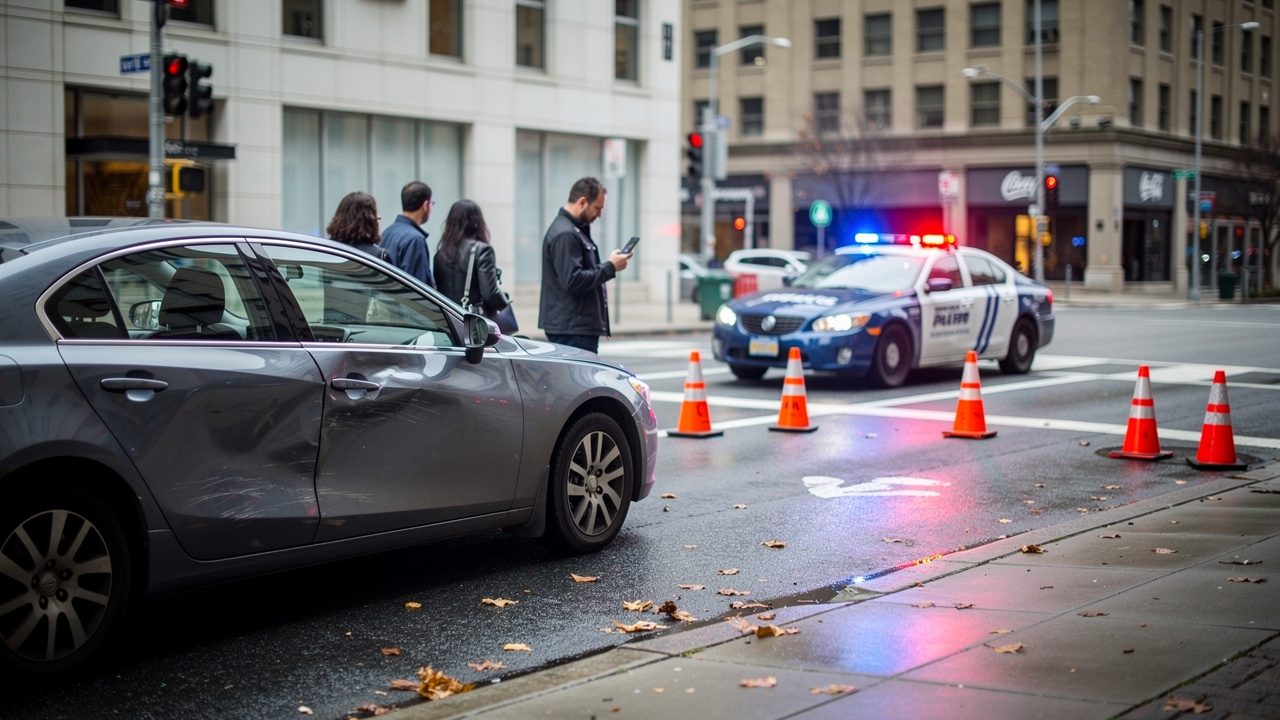
After a traffic accident, many find themselves grappling with overwhelming emotions and uncertainty about what to do next. It’s important for victims to know how to express their needs and concerns to their legal team, ensuring they receive the support they truly deserve. In this article, we’ll explore heartfelt strategies that can help accident victims navigate their journey toward justice and healing.
Take Immediate Action After an Accident
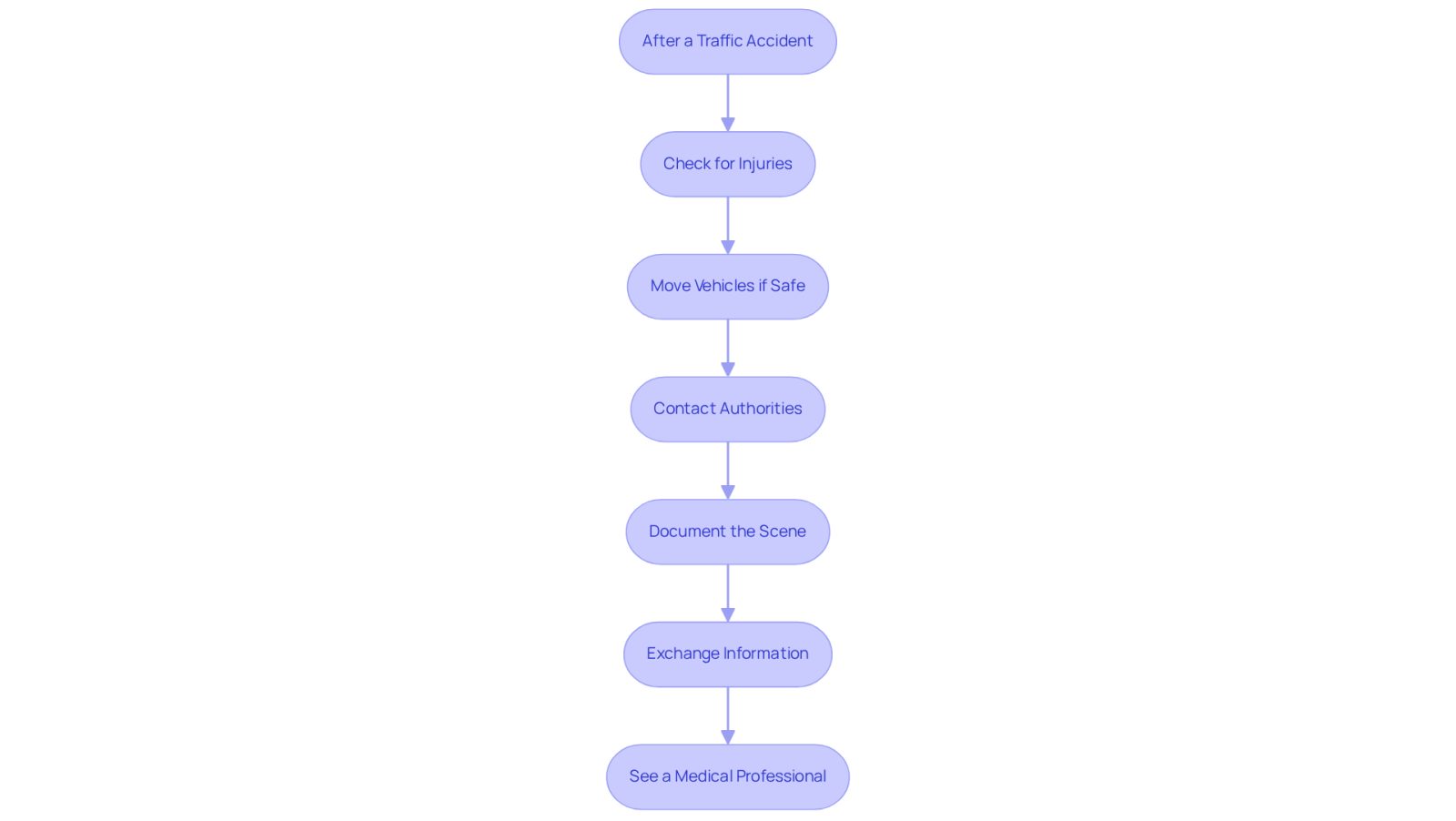
In the aftermath of a traffic incident, emotions run high, and the steps you take can make all the difference. First and foremost, take a moment to check for any injuries – yours and those of others involved. Your safety is the priority. If it’s safe to do so, gently move vehicles out of traffic to protect everyone involved.
Reaching out to the authorities is crucial; it helps document the incident and ensures that your rights are protected. Take a moment to document the scene – photos of the accident, vehicle damages, and any visible injuries can be vital for your case. Be sure to exchange contact and insurance details with everyone involved, including any witnesses who can support your account.
Even if you feel fine, it’s wise to see a medical professional within 24 hours; this can help connect any later issues to the incident. With 5,119 collisions and 2,249 injuries reported in the Bronx in 2026, it’s clear that being prepared can make a significant difference. By being prepared and informed, you can navigate the aftermath with confidence and protect your well-being.
Gather Essential Evidence to Support Your Claim
After a traffic accident, the chaos can feel overwhelming, and knowing what to do next is crucial for your recovery. Gathering the right evidence can make all the difference in your journey toward healing.
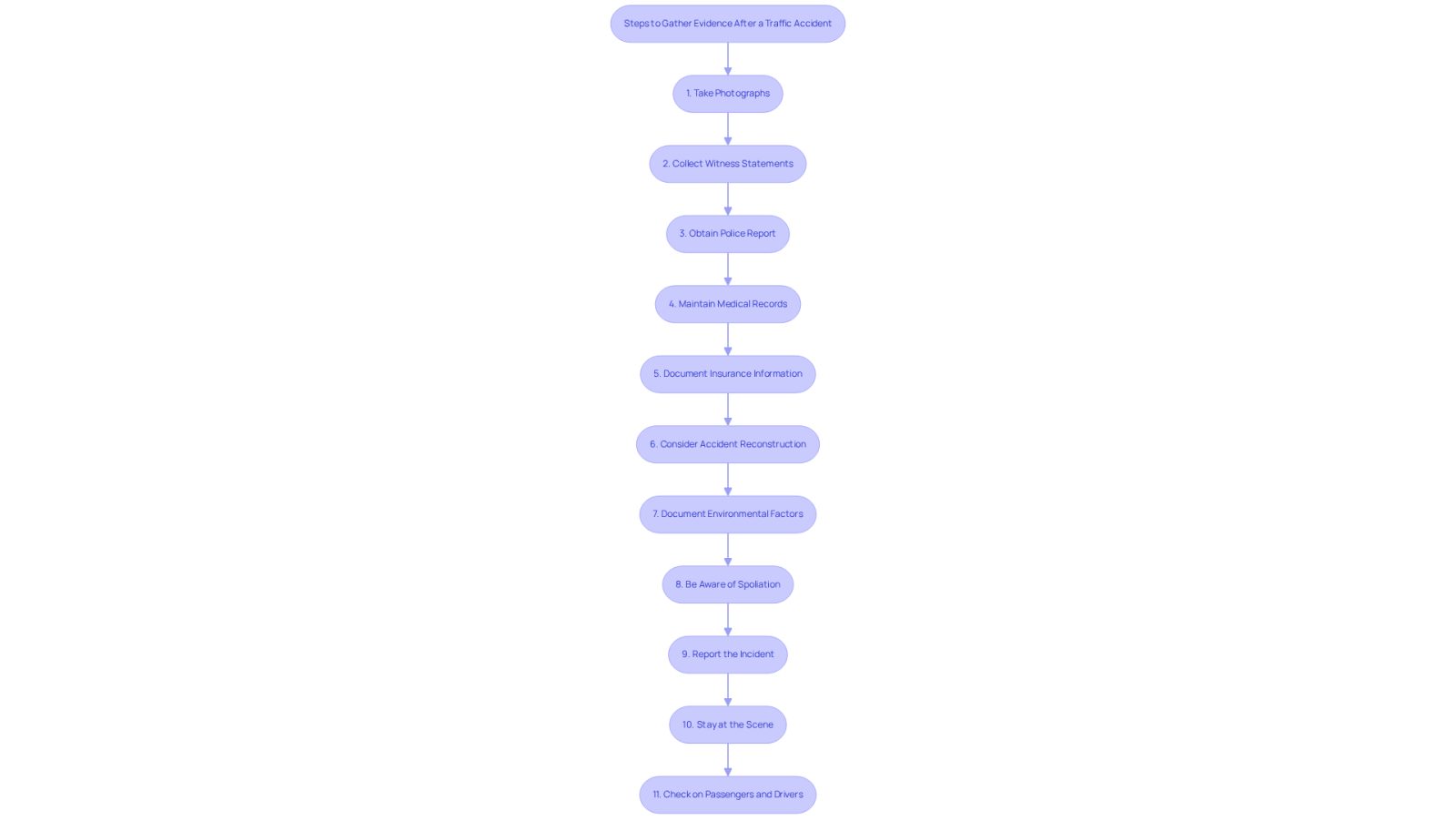
- Photographs: Capture images of the accident scene, vehicle damages, road conditions, and any visible injuries. These images can help tell your story, providing a clearer picture of what happened and the impact it had on your life.
- Witness Statements: Collect contact information from witnesses, including names, phone numbers, and email addresses. If possible, obtain their statements about what they observed. Eyewitness accounts can corroborate your version of events and significantly enhance the credibility of your claim.
- Police Report: Obtain a copy of the police report, which includes official documentation of the accident. This report is critical in establishing liability and can serve as a foundational piece of evidence in your case. In New York, police reports are typically available 7-10 days after the incident. It’s wise to contact the police even if there are no visible injuries, as their report will be crucial for submitting insurance claims.
- Medical Records: Maintain comprehensive documentation of all medical treatments associated with the incident. This documentation is essential for proving the extent of your injuries and the associated costs, which can include emergency room visits, diagnostic tests, and ongoing treatment plans.
- Insurance Information: Document the insurance details of all parties involved in the incident. This information is necessary for filing claims and ensuring that all potential sources of recovery are explored.
- Accident Reconstruction Evidence: In intricate situations, consider hiring a specialist to reconstruct the accident. This can provide additional insights into liability and clarify the sequence of events, which may be crucial for your case.
- Environmental Factors: Document any relevant environmental conditions, such as weather conditions and road hazards, as these can impact liability determinations.
- Spoliation Awareness: Be mindful of the potential legal consequences of spoliation, which refers to the destruction or alteration of evidence. Preserving all evidence without alteration is important to prevent spoliation claims.
- Incident Reporting: Keep in mind that New York law mandates you to report incidents resulting in harm, death, or property damage surpassing $1,000. Failing to do so can have legal implications.
- Stay at the Scene: If you can do so safely, remain at the location of the incident. Leaving can lead to serious legal consequences, including charges of hit-and-run.
- Check on Passengers and Drivers: Ensure that all individuals involved in the incident are safe and check for any harm, as some may not be readily noticeable.
By gathering this evidence promptly, you can strengthen your case and pave the way for the support you deserve during this challenging time. Considering that roughly 38% of all vehicle collisions in NYC resulted in harm or fatalities in 2022, the importance of collecting evidence right after a collision cannot be emphasized enough. If you have questions about your rights or need assistance, consider contacting The Law Offices of Evan W. Kohn, where you can find lawyers for traffic accidents, at 2000 White Plains Road, Bronx, New York 10462 for legal guidance and support.
Choose the Right Lawyer for Your Case
Finding the right lawyers for traffic accidents can make all the difference in your traffic incident case, especially when emotions are running high. Here are critical factors to consider:
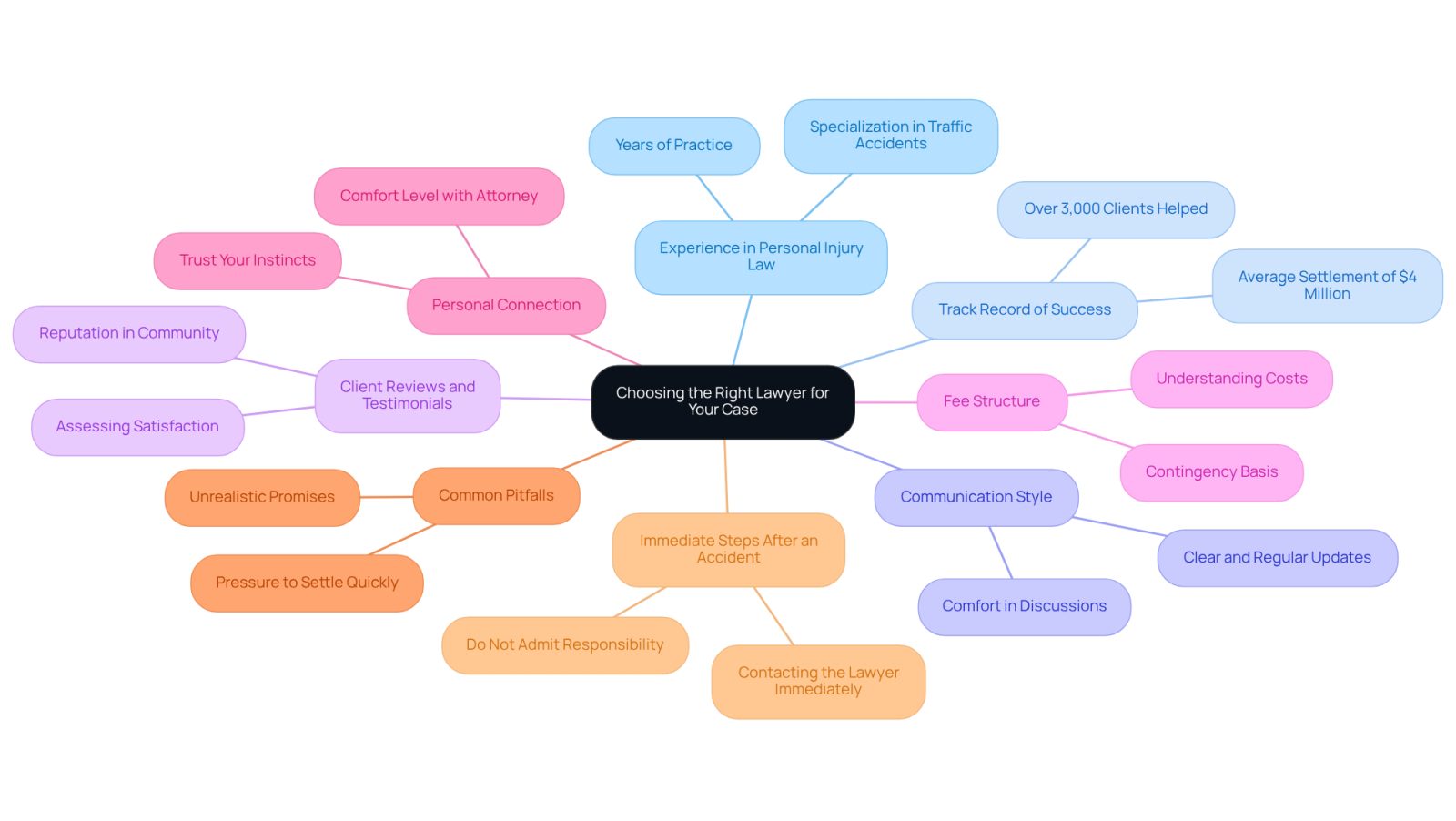
- Experience in Personal Injury Law: Seek lawyers for traffic accidents who specialize in personal injury matters. Their expertise is crucial in navigating the complexities of such claims.
- Track Record of Success: Investigate the lawyer’s history of settlements and verdicts. A strong track record can indicate their capability to secure favorable outcomes for clients. With a compassionate approach, The Law Offices of Evan W. Kohn has helped over 3,000 clients find their way to an average settlement of $4 million, showing just how impactful the right support can be.
- Communication Style: Opt for a lawyer who communicates clearly and regularly. You should feel comfortable discussing your situation and receiving timely updates.
- Client Reviews and Testimonials: Examine reviews from previous clients to assess their satisfaction and the lawyer’s reputation in the community.
- Fee Structure: Understand the lawyer’s fee arrangement. The Law Offices of Evan W. Kohn operates on a contingency basis, meaning you pay absolutely nothing until you are awarded a settlement, making legal assistance more accessible.
- Personal Connection: Trust your instincts. It’s essential to feel at ease and assured in your attorney’s skills and method regarding your situation.
- Common Pitfalls: Be wary of lawyers who make unrealistic promises or pressure you to settle quickly. A reputable attorney, specifically lawyers for traffic accidents, will provide a realistic assessment of your case and guide you through the process without rushing you.
- Immediate Steps After an Accident: Contact Mr. Kohn immediately to ensure your rights are protected. Do not admit responsibility, speak to anyone about the accident, or sign any documents until you have consulted with him. This is essential for protecting your assertion.
Taking the time to choose the right attorney can profoundly influence your journey, giving you a better chance at a positive outcome and peace of mind. Remember, The Law Offices of Evan W. Kohn, located at 2000 White Plains Road, Bronx, New York 10462, offers free, no-obligation consultations and can arrange home or hospital visits for clients unable to travel.
Negotiate Effectively with Insurance Companies
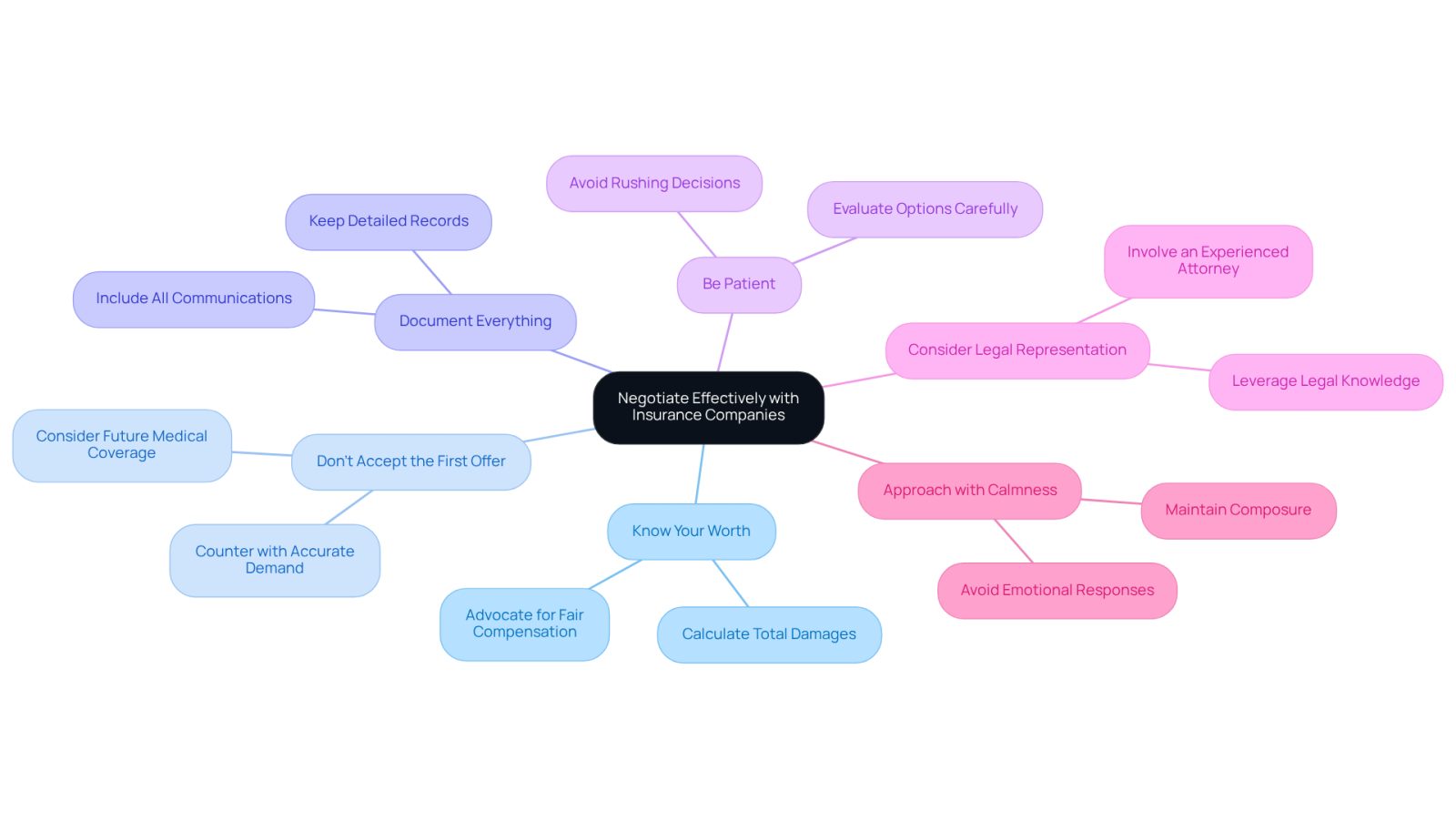
Many people feel overwhelmed and unsure when faced with the complexities of insurance negotiations. However, employing effective strategies can help you navigate this challenging process and enhance your chances of securing a fair settlement. Here are essential tips to consider:
- Know Your Worth: Before negotiations begin, take the time to calculate your total damages, including medical expenses, lost wages, and pain and suffering. This comprehensive assessment will provide a solid foundation for your demands, ensuring you advocate for what you truly deserve.
- Don’t Accept the First Offer: It’s common for insurance companies to present low initial offers to minimize payouts. Be prepared to counter with a demand that accurately reflects the true value of your claim. Remember, many claimants who accept early offers may miss out on necessary future medical coverage.
- Document Everything: Keeping detailed records of all communications with the insurance company is crucial. This includes emails, phone calls, and letters. Having this documentation on hand can be invaluable for addressing any disputes that may arise during the negotiation process.
- Be Patient: Negotiations can take time, and it’s important not to rush into accepting an offer out of frustration or urgency. Take the necessary time to evaluate your options and ensure that any settlement adequately covers your current and future needs.
- Consider Legal Representation: If negotiations become complex or contentious, involving a lawyer can be beneficial. An experienced attorney can advocate on your behalf, leveraging their knowledge of New York’s personal injury laws to navigate the process effectively.
- Approach with Calmness: It’s important to approach negotiations with a calm and composed mindset, as this can help you navigate the process more effectively. Emotional responses can undermine your position and may lead to less favorable outcomes.
By implementing these strategies, you can improve your negotiating position and increase the likelihood of achieving a settlement that truly reflects your losses. Ultimately, it’s about ensuring your voice is heard and your needs are met, paving the way for a brighter future.
Conclusion
After a traffic accident, the path ahead can seem daunting and filled with uncertainty. It’s easy to feel overwhelmed by the confusion and fear that follows, leaving you unsure of what to do next. Taking immediate action is essential – not just for your safety, but also for protecting your legal rights. Documenting the accident scene, gathering witness statements, and understanding the implications of your actions can significantly impact your recovery journey.
Choosing the right lawyer, especially one experienced in personal injury law like those at The Law Offices of Evan W. Kohn, can provide invaluable support during this challenging time. They can guide you through the complexities of the legal process, ensuring you have the best chance at a fair settlement that truly reflects the extent of your damages.
Employing effective negotiation strategies with insurance companies is another crucial step. It’s not just about securing a settlement; it’s about making sure you’re treated fairly and that your needs are met.
Taking informed steps can truly change the course of your recovery journey. For those in the Bronx and surrounding areas, reaching out to The Law Offices of Evan W. Kohn at 2000 White Plains Road, Bronx, New York 10462, can provide the necessary legal guidance and support. By safeguarding your rights, you also pave the way for healing and justice in your life.
Frequently Asked Questions
What should I do immediately after a traffic accident?
First, check for any injuries to yourself and others involved. Your safety is the priority. If it’s safe, move vehicles out of traffic to protect everyone.
Why is it important to contact the authorities after an accident?
Contacting the authorities helps document the incident and ensures that your rights are protected.
What should I document at the accident scene?
Take photos of the accident, vehicle damages, and any visible injuries. Also, exchange contact and insurance details with everyone involved, including witnesses.
Should I see a medical professional after an accident even if I feel fine?
Yes, it is wise to see a medical professional within 24 hours to help connect any later issues to the incident.
How many collisions and injuries were reported in the Bronx in 2026?
There were 5,119 collisions and 2,249 injuries reported in the Bronx in 2026.
How can being prepared help after an accident?
Being prepared and informed can help you navigate the aftermath of an accident with confidence and protect your well-being.
List of Sources
- Take Immediate Action After an Accident
- What to Do After a Car Accident in NYC | Steps from Roth & Khalife Injury Lawyers
- New York City Car Accident Statistics – Greenspan & Greenspan, P.C.
- What to Do After a Car Accident in the Bronx: A Crucial Checklist
- ‘Horror show’: 2 men killed, 3 others hurt during chaotic crash in NYC, per reports
- ‘Slow down, move over’ law gets renewed push on Long Island after deadly crashes
- Gather Essential Evidence to Support Your Claim
- Evidence Collection After NYC Car Accidents: Essential Guide
- Experienced Buffalo Lawyers | New York Attorneys
- Experienced Rochester Lawyers
- The Importance Of Documenting A Car Accident In New York – Elliot Ifraimoff & Associates, PC
- Evidence to Collect at a New York Car Accident Scene | CEO Lawyer
- Choose the Right Lawyer for Your Case
- Choosing the Right Personal Injury Lawyer in the Bronx
- Personal Injury Law Statistics and Industry Trends for 2026
- Personal Injury Settlement Statistics & Data 2026 | FairSettlement.org
- 2026 Personal Injury Law Statistics: What the Data Reveals
- How to Choose the Right Accident Lawyers in the Bronx
- Negotiate Effectively with Insurance Companies
- Will Hochul help lower your car insurance premiums?
- Highest Auto Accident Settlements in NYC: What Victims Should Know
- How to Deal with a Low Settlement Offer After a Car Accident in New York
- How to Negotiate with Insurance Company After Car | JTNY
- Hochul tells auto insurance companies to show their work in implementing changes
Hurt like this?
We handle Car Accidents cases in the Bronx.
Evan W. Kohn, Esq. — more than 35 years of Bronx personal-injury practice. Reading about it only goes so far; a free consultation tells you what actually applies to your case.