
Brain & Spinal Injuries
4 Best Practices for Choosing New York Brain Injury Lawyers

Introduction
After a traumatic brain injury, the last thing you want to worry about is finding the right lawyer, yet it’s a crucial step in your recovery journey. Navigating the legal landscape can feel like an uphill battle when you’re already dealing with the emotional toll of a brain injury. Grasping the nuances of this specialized legal field is essential, as it can greatly influence the outcome of your case.
So, what should you look for in a lawyer who truly understands your needs, and how can you make sure you’re choosing the right one for your situation? Choosing the right attorney can be the difference between a fair settlement and a prolonged struggle, impacting your path to healing.
Identify Specialized Brain Injury Lawyers
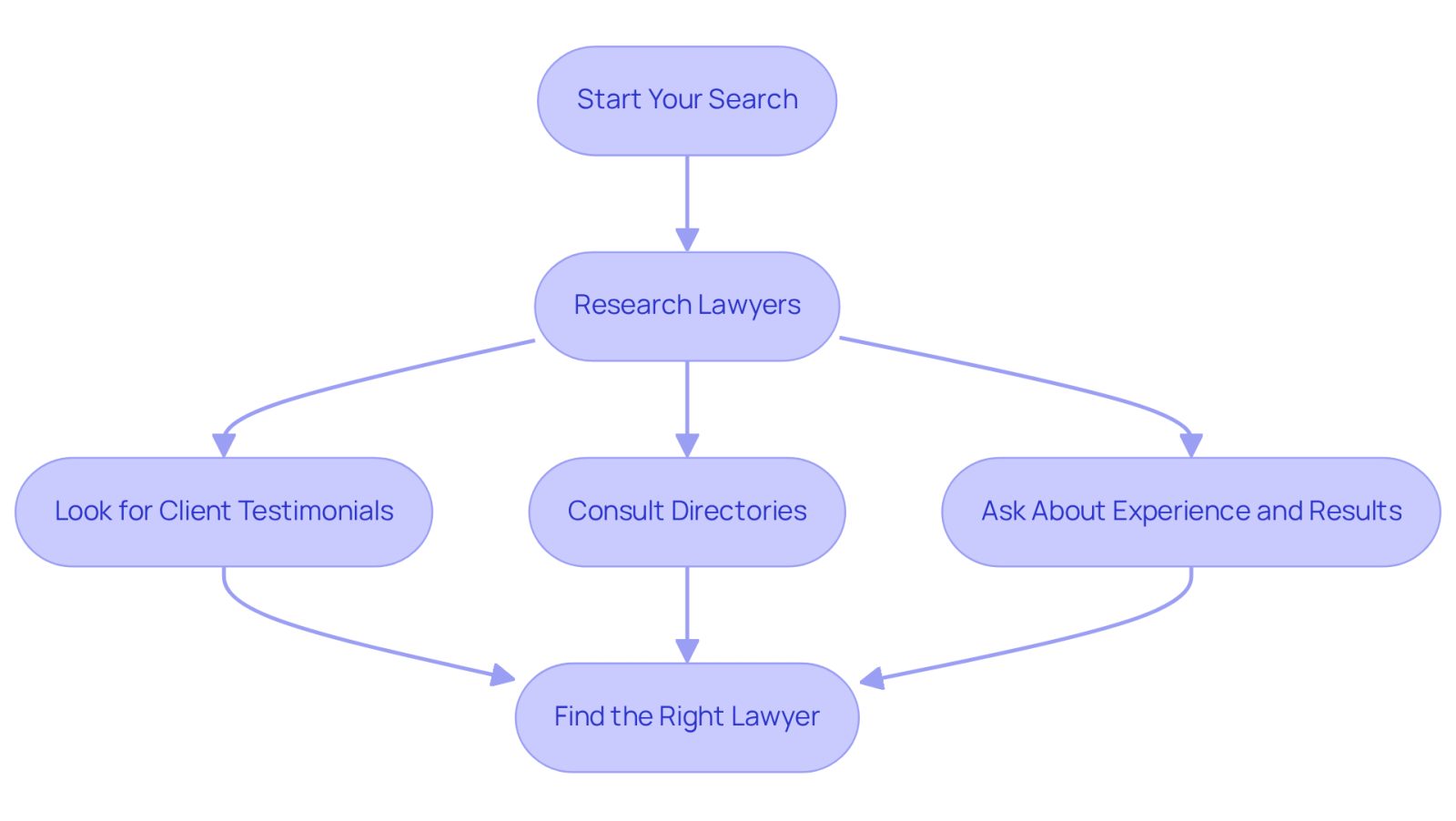
Finding the right New York brain injury lawyers can feel daunting, especially when you’re navigating the aftermath of an injury. It’s crucial to prioritize expertise in this area. Lawyers in New York specializing in brain injuries and with a proven history in traumatic head injury cases possess the knowledge needed to handle the complexities of such claims. Start your search by looking at their websites for specific mentions of head trauma cases, client testimonials, and documented outcomes. Consulting directories from reputable organizations, like the Brain Injury Association of America, can also guide you to qualified legal professionals. Remember, finding the right attorney can feel overwhelming, especially when you’re already dealing with the emotional toll of head trauma.
A compassionate attorney understands the medical challenges of head trauma and is dedicated to fighting for your rights and the compensation you need to heal. For instance, lawyers who have successfully secured settlements for clients with similar conditions demonstrate the skills necessary to navigate the legal landscape effectively. Don’t hesitate to ask about their experience with head trauma cases, including the results they’ve achieved, to gauge their level of expertise.
In New York, average settlement figures for traumatic head trauma claims can vary significantly, as explained by New York brain injury lawyers. Some claims have led to compensations as high as $8 million for medical malpractice related to anesthesia mistakes and $5.35 million for head traumas resulting from falls in hospitals due to staff negligence. With the right legal support, you can secure the compensation you deserve, easing some of the burdens you face. As Michael V. Kaplen, a recognized authority in head trauma law, notes, head trauma is often called ‘the invisible wound’ because its signs may not always be visible to others. With the right attorney by your side, you can focus on healing while they fight for the compensation that can make a real difference in your recovery.
Understand the Legal Process for Brain Injury Cases
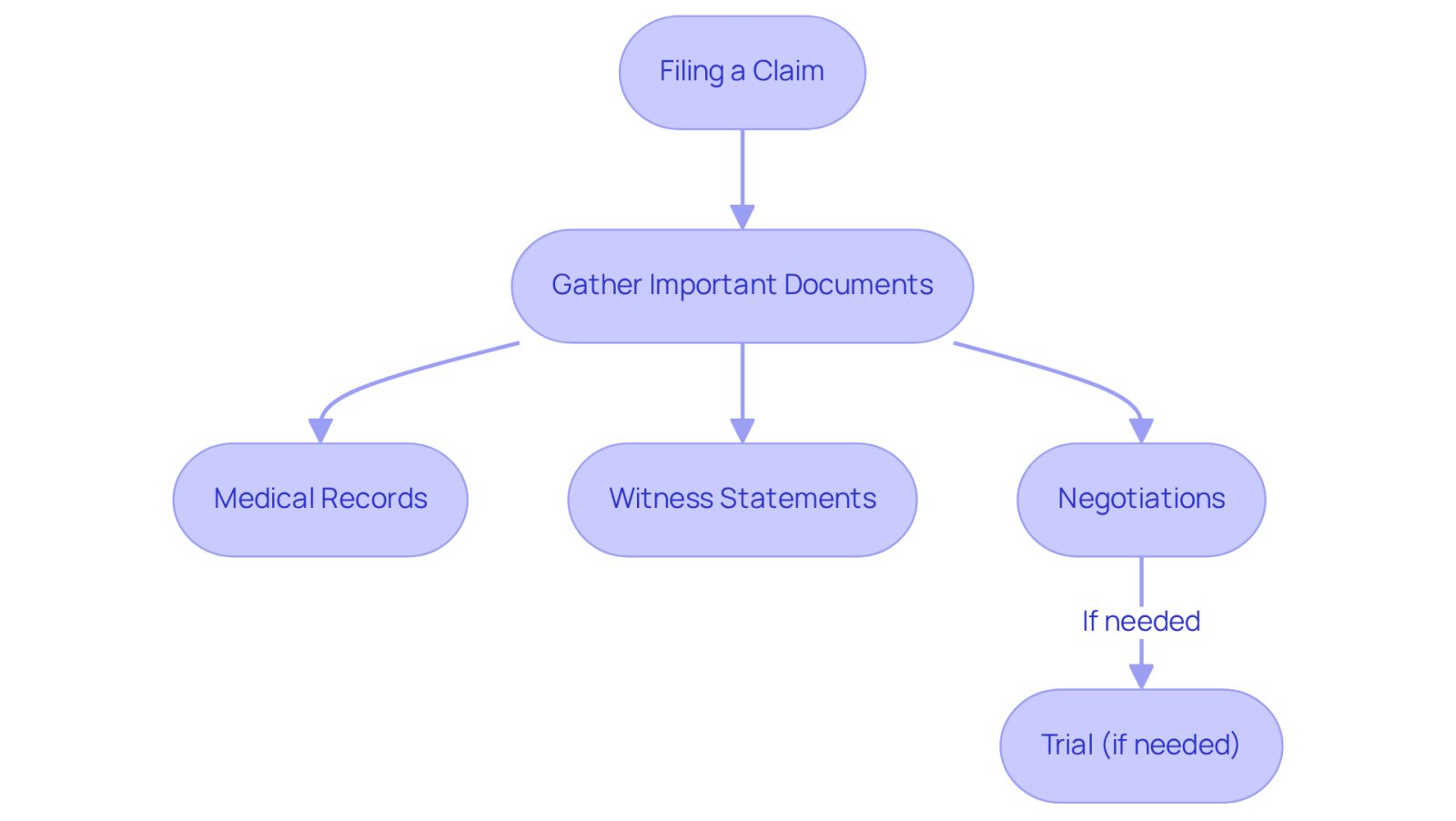
Navigating the legal process after a brain injury can feel overwhelming, especially when you’re already facing so much. Your attorney will gather important documents, like medical records and witness statements, to build a strong case for you. It’s important to know what to expect; your case usually starts with filing a claim, then moves to negotiations, and could even go to trial if needed.
In New York, you have three years from the date of your injury to file a claim, making it important to act quickly and seek help from New York brain injury lawyers. This timeline shows how crucial it is to seek help early on, so you don’t miss out on your chance for justice. If you’ve suffered a head injury, starting your claim within this three-year window is vital to protect your rights and get the support you need. Knowing these steps can help you feel more prepared and supported as you navigate this challenging journey.
Maintain Open Communication with Your Lawyer
Navigating the aftermath of a brain injury can be overwhelming, but effective communication with your attorney can make all the difference. It’s essential for clients to feel empowered to discuss their concerns and ask questions at any stage of the legal process. To enhance communication, consider establishing a regular check-in schedule with your attorney, whether through phone calls, emails, or in-person meetings. Many clients, around 72%, wish for clearer communication with their attorneys, and you deserve that too.
It’s important to share updates about your condition or any new developments that come up. Preparing for meetings by compiling a list of questions or topics you want to discuss ensures that all your concerns are addressed. A skilled attorney will prioritize transparency, keeping you informed about the progress of your legal matter and any challenges that may arise. Additionally, providing all relevant information to your attorney, even if it seems insignificant, is vital for building a strong case.
When you keep the lines of communication open, you and your lawyer can work together effectively, which is crucial for achieving the best outcome in your head trauma claim. This approach not only enhances your understanding of the legal process but also strengthens the attorney-client relationship, ultimately contributing to a more favorable resolution. In a world where millions seek justice for personal harm, your voice and clarity can be the key to unlocking a successful outcome.

Gather and Present Evidence Effectively
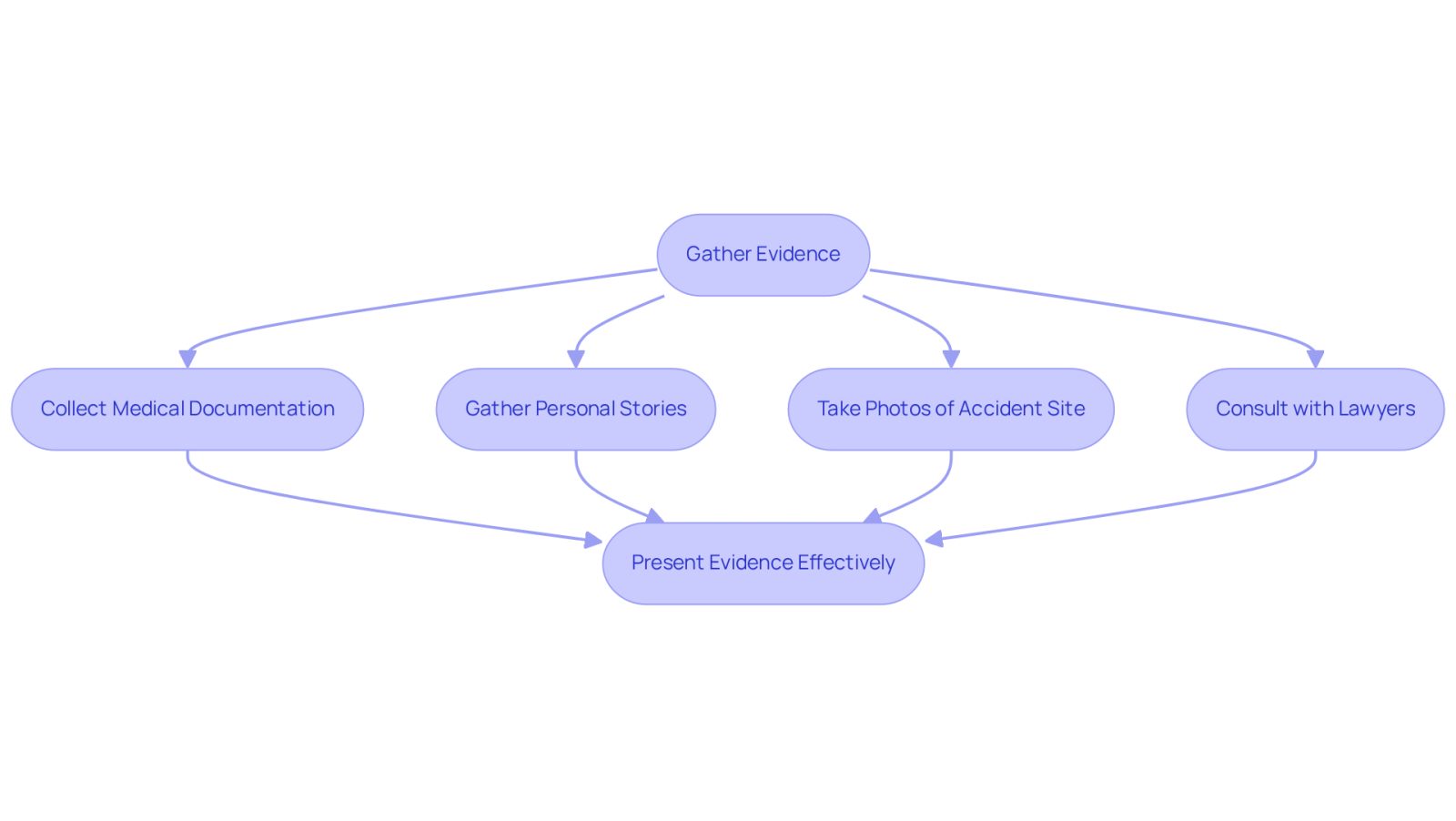
Navigating the aftermath of a head trauma can feel like an uphill battle, leaving you grappling with both physical and emotional challenges. Start by gathering all the medical documentation that tells your story, including diagnosis reports and treatment plans, as these will help illustrate the severity of your condition. Tragically, traumatic brain injuries can lead to devastating outcomes, with thousands of lives lost each year, leaving families to cope with unimaginable grief and loss. Additionally, falls lead to nearly 50% of TBI-related hospitalizations, underscoring the importance of thorough documentation in these cases.
Collect personal stories from family and friends that describe how the incident has impacted your daily life. This can include changes in your ability to work, engage in social activities, or perform daily tasks. Images of the accident site and any observable harm can also function as compelling evidence.
As you prepare to present your evidence, lean on your New York brain injury lawyers for guidance, ensuring that your story is communicated effectively to those who will hear it. Your legal representative, such as New York brain injury lawyers, can assist you in understanding how to present your evidence in a manner that appeals to judges and juries, ultimately bolstering your case for compensation. As seasoned personal injury attorneys often say, ‘The kinds of evidence required for TBI claims often consist of detailed medical records and personal accounts that demonstrate the condition’s effect on everyday life, which New York brain injury lawyers can assist in compiling and presenting effectively.’
By being diligent and thoughtful in your evidence collection, you can empower your case and take a step toward healing and justice. Avoid common pitfalls such as neglecting to document all aspects of your injury or failing to gather witness statements, as these can weaken your claim. A structured approach to evidence gathering will not only bolster your case but also improve your chances of securing the compensation you deserve.
Conclusion
Finding the right brain injury lawyer in New York can feel overwhelming, especially when you’re already navigating the challenges of recovery. Choosing a lawyer who specializes in brain injury law means you’ll have someone by your side who truly understands the unique challenges you’re facing. When you find a lawyer with a strong history of helping clients like you, it can bring a sense of reassurance during such a tough time.
Every step you take, from finding the right lawyer to sharing your personal story, is crucial in building a case that reflects your journey and needs. By following these guidelines, you can empower yourself to achieve favorable outcomes while focusing on your healing journey.
Choosing the right legal partner can be the beacon of hope that guides you toward healing and justice, making all the difference in your journey ahead.
Frequently Asked Questions
Why is it important to find specialized brain injury lawyers in New York?
Specialized brain injury lawyers have the expertise and knowledge necessary to handle the complexities of brain injury claims, ensuring that clients receive the compensation they need while navigating the emotional toll of such injuries.
How can I identify qualified brain injury lawyers?
You can identify qualified lawyers by checking their websites for mentions of head trauma cases, client testimonials, and documented outcomes. Consulting directories from reputable organizations, like the Brain Injury Association of America, can also help.
What should I ask a lawyer when considering them for my brain injury case?
You should ask about their experience with head trauma cases and the results they have achieved in similar situations to gauge their level of expertise.
What are some examples of settlement figures for traumatic head trauma claims in New York?
Settlement figures can vary significantly, with some claims resulting in compensations as high as $8 million for medical malpractice related to anesthesia mistakes and $5.35 million for head traumas from falls in hospitals due to staff negligence.
What does the term “the invisible wound” refer to in relation to head trauma?
“The invisible wound” refers to the fact that the signs of head trauma may not always be visible to others, highlighting the need for understanding and support from legal professionals.
How can a brain injury lawyer assist me during my recovery?
A compassionate attorney can handle the legal aspects of your case, allowing you to focus on healing while they fight for the compensation that can make a significant difference in your recovery.
List of Sources
- Identify Specialized Brain Injury Lawyers
- Understand the Legal Process for Brain Injury Cases
- Maintain Open Communication with Your Lawyer
- Mastering communication: Key to success in your personal injury case
- americanbar.org
- 53+ Personal Injury Statistics For 2026 | Rev
- Personal Injury Cases and Industry Trends: Statistics 2025
- How to Effectively Communicate with Your Personal Injury Lawyer – Leaders in Law
- Gather and Present Evidence Effectively
Hurt like this?
We handle Brain & Spinal Injuries cases in the Bronx.
Evan W. Kohn, Esq. — more than 35 years of Bronx personal-injury practice. Reading about it only goes so far; a free consultation tells you what actually applies to your case.