
Construction Accidents
4 Steps to Choose the Right Scaffold Accident Attorney

Introduction
After a scaffold accident, the emotional weight can feel unbearable, leaving you unsure of where to turn. Selecting the right attorney is vital, as their expertise and understanding of construction law can significantly influence the outcome of your case. With so many choices out there, it’s easy to feel lost and overwhelmed. This guide will walk you through the steps to find an attorney who truly understands your needs and can fight for your recovery.
Assess Attorney Experience and Specialization in Scaffold Accidents
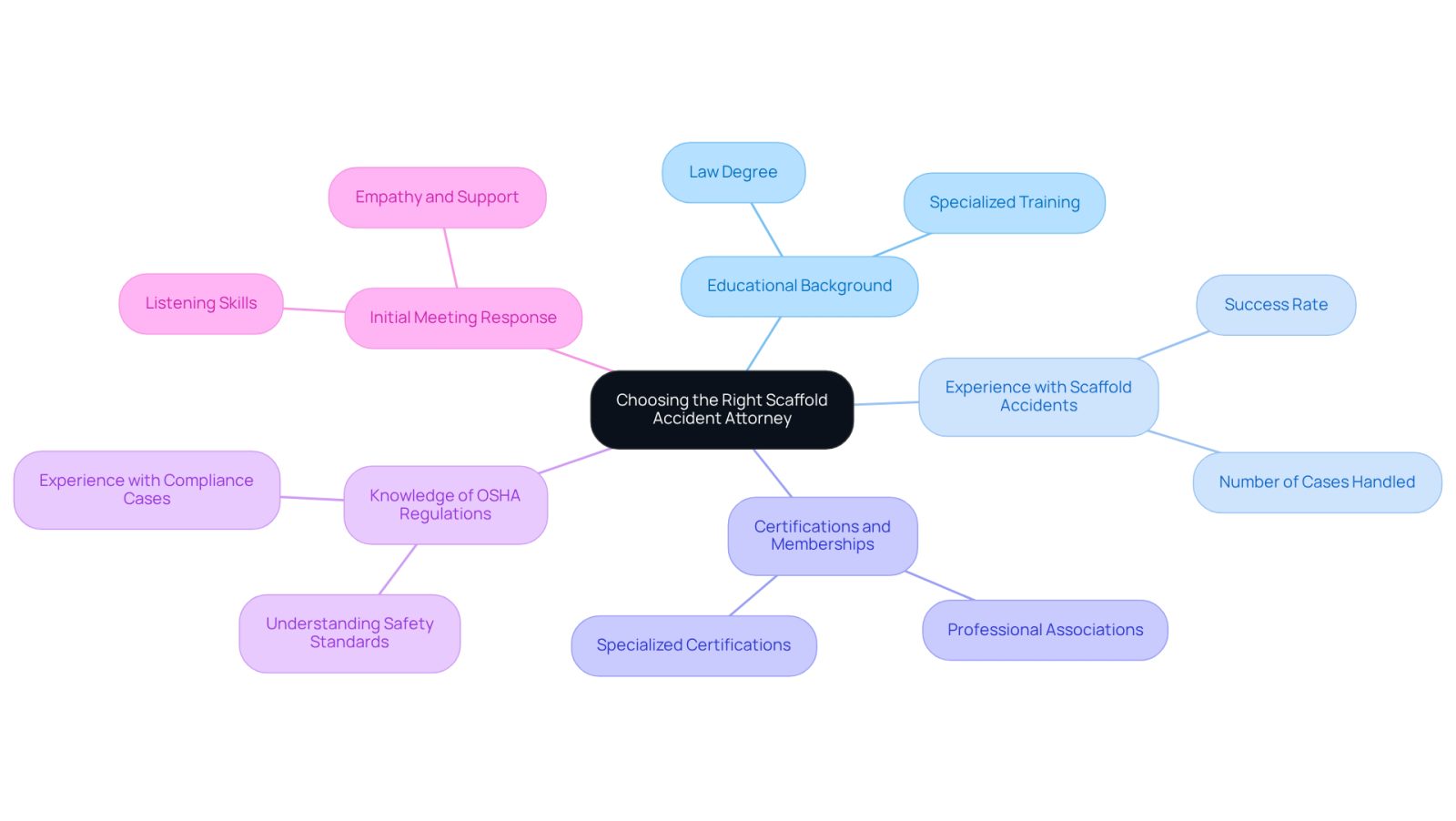
Finding the right scaffold accident attorney after a scaffold accident can feel overwhelming, especially when you’re already dealing with the emotional aftermath of an injury. Start by taking a moment to look into their educational background and experience; it can really help you feel more at ease knowing they understand the complexities of construction law.
Ask them about their experience with scaffold accidents; knowing they’ve successfully handled similar cases with a scaffold accident attorney can provide you with some peace of mind. It’s also worth looking for any certifications or memberships they might have; these can show their commitment to staying updated on the best practices in personal injury and construction law.
It’s important that your lawyer understands OSHA regulations and safety standards; this knowledge can be crucial in building a strong case for you. During your first meeting, share your story and see how they respond; it’s a great way to gauge their understanding and support.
Choosing the right attorney can make all the difference in your recovery journey, ensuring you feel supported every step of the way.
Evaluate Track Record and Client Testimonials
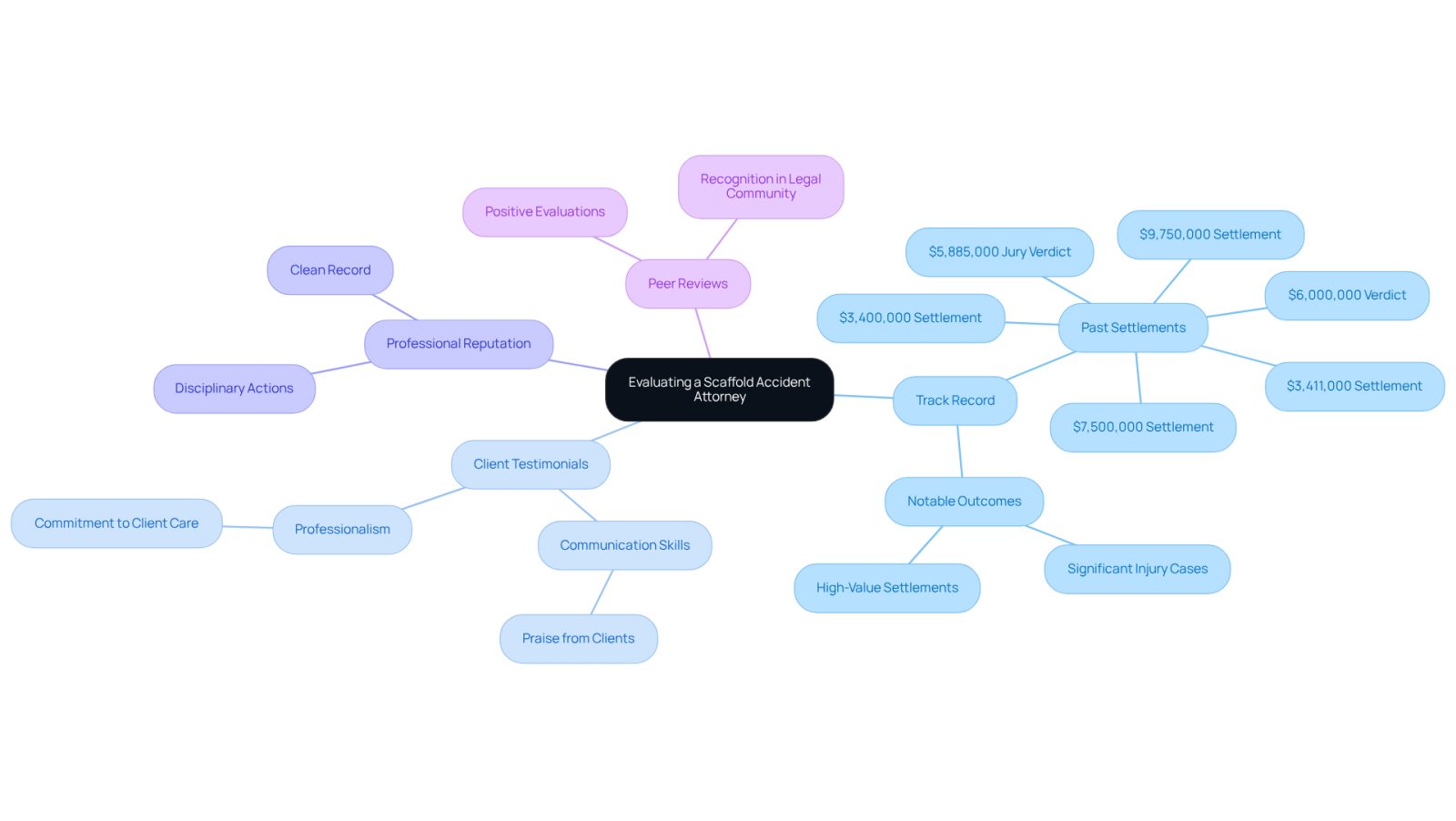
When a scaffold accident occurs, the aftermath can be overwhelming, prompting victims and their families to seek help from a scaffold accident attorney. Take a moment to look into The Law Offices of Evan W. Kohn, a scaffold accident attorney, and their experience with scaffold accidents, especially their past settlements and verdicts. Notable outcomes, like a $9,750,000 settlement for a worker who suffered serious injuries from a scaffold fall, showcase their commitment to advocating for clients.
Reading what past clients have to say about their experiences with The Law Offices of Evan W. Kohn can provide valuable insights. Many former clients praise the lawyer’s communication skills and professionalism, reflecting a deep commitment to client care, especially in cases involving significant injuries.
When you have your free consultation, don’t hesitate to ask for references from previous clients. Speaking with them can provide a clearer picture of the scaffold accident attorney’s strengths and weaknesses, helping you assess their reliability and effectiveness in handling scaffold accident claims.
It’s important to check that your legal representative has a clean record, free from any disciplinary actions or complaints. This information is typically available on state bar association websites and is crucial for verifying the lawyer’s reputation and ethical standing.
Seek out peer-reviewed ratings from professional organizations to gauge their reputation. Positive evaluations from fellow legal professionals can indicate esteem and acknowledgment within the legal community, further affirming The Law Offices of Evan W. Kohn’s expertise as a scaffold accident attorney. Choosing the right legal support can make all the difference in your recovery journey, ensuring you receive the justice you deserve.
Understand Fee Structures and Payment Options
Navigating the aftermath of an accident can feel overwhelming, especially when it comes to understanding legal fees.
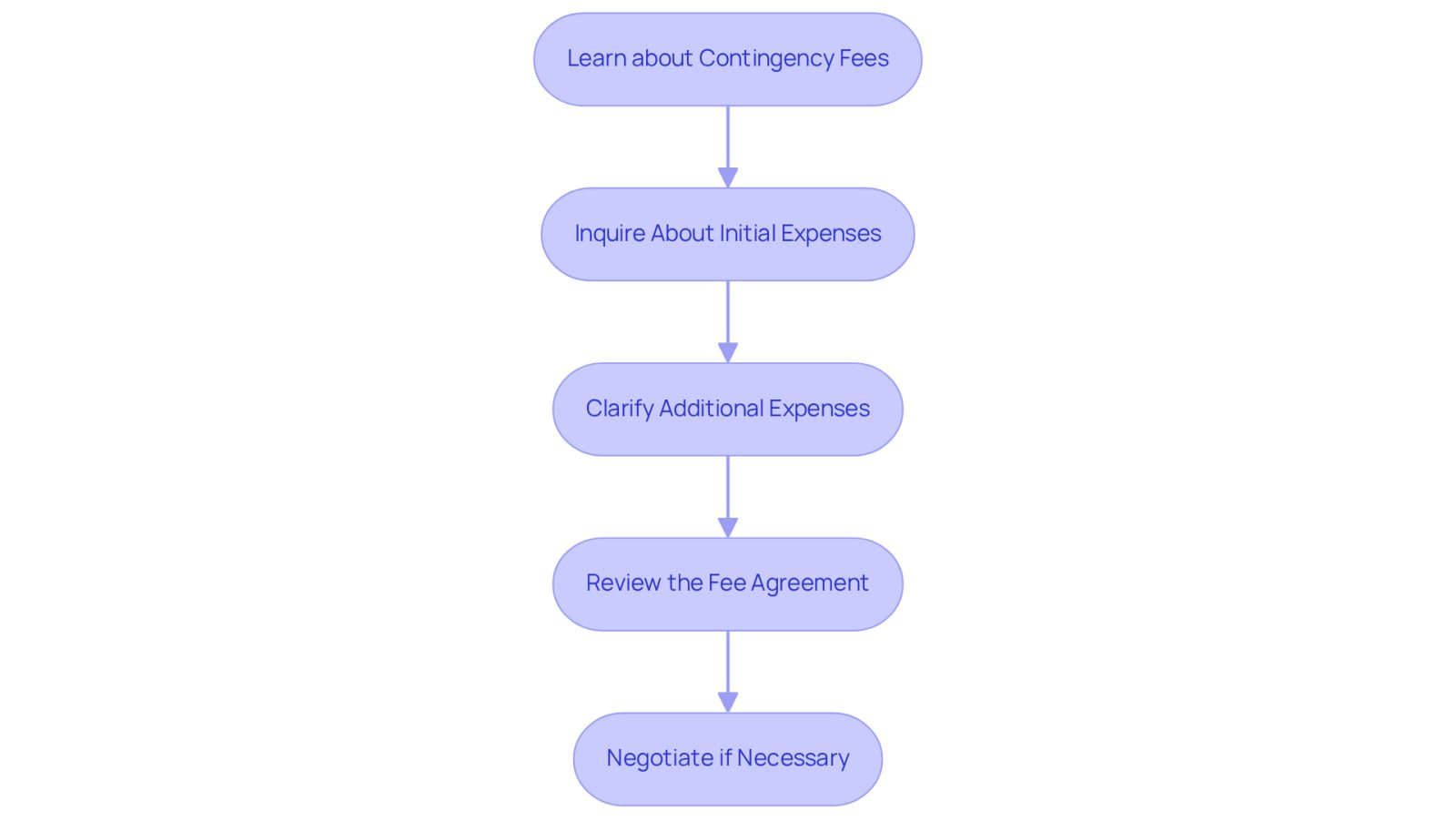
- Learn about contingency fees: Most personal injury lawyers, including scaffold accident attorneys, work on a contingency fee basis. This means they only get paid if you win your claim, typically taking between 33% to 40% of the settlement amount. This setup helps ensure that both you and your lawyer are on the same team, working towards the best possible outcome. According to industry statistics, the average contingency fee for personal injury claims is around 33%, but it can vary based on the complexity of your situation.
- Inquire About Initial Expenses: It’s crucial to ask whether any initial costs or retainer charges are necessary before your lawyer starts working on your case. Knowing what to expect can ease your worries and help you plan your finances better. For instance, some lawyers may require a small retainer fee, while others might cover initial expenses until your case is settled.
- Clarify Additional Expenses: Discuss any extra costs that may arise during the legal process, such as court fees, expert witness payments, or expenses for obtaining medical records. Understanding who will be responsible for these costs is essential to avoid surprises later on. As lawyer Robert Thrasher reminds us, it’s important to remember that while your lawyer’s fees are covered, there might still be other costs you need to handle.
- Review the Fee Agreement: Before signing any contracts, take the time to carefully review the fee agreement. Make sure it clearly outlines the fee structure, payment terms, and any other financial obligations. Being clear about fees helps build trust between you and your lawyer. For example, a typical fee agreement might specify that the lawyer will take 33% of any settlement, with additional costs for court filings deducted from the total recovery.
- Negotiate if Necessary: If you have concerns about the fee structure, don’t hesitate to discuss them with your lawyer. Many attorneys are open to negotiating their charges or offering flexible payment arrangements, ensuring you find a solution that works for both parties. Legal experts often say that talking openly about fees can lead to a better experience for everyone involved.
Establish Communication and Rapport with the Attorney
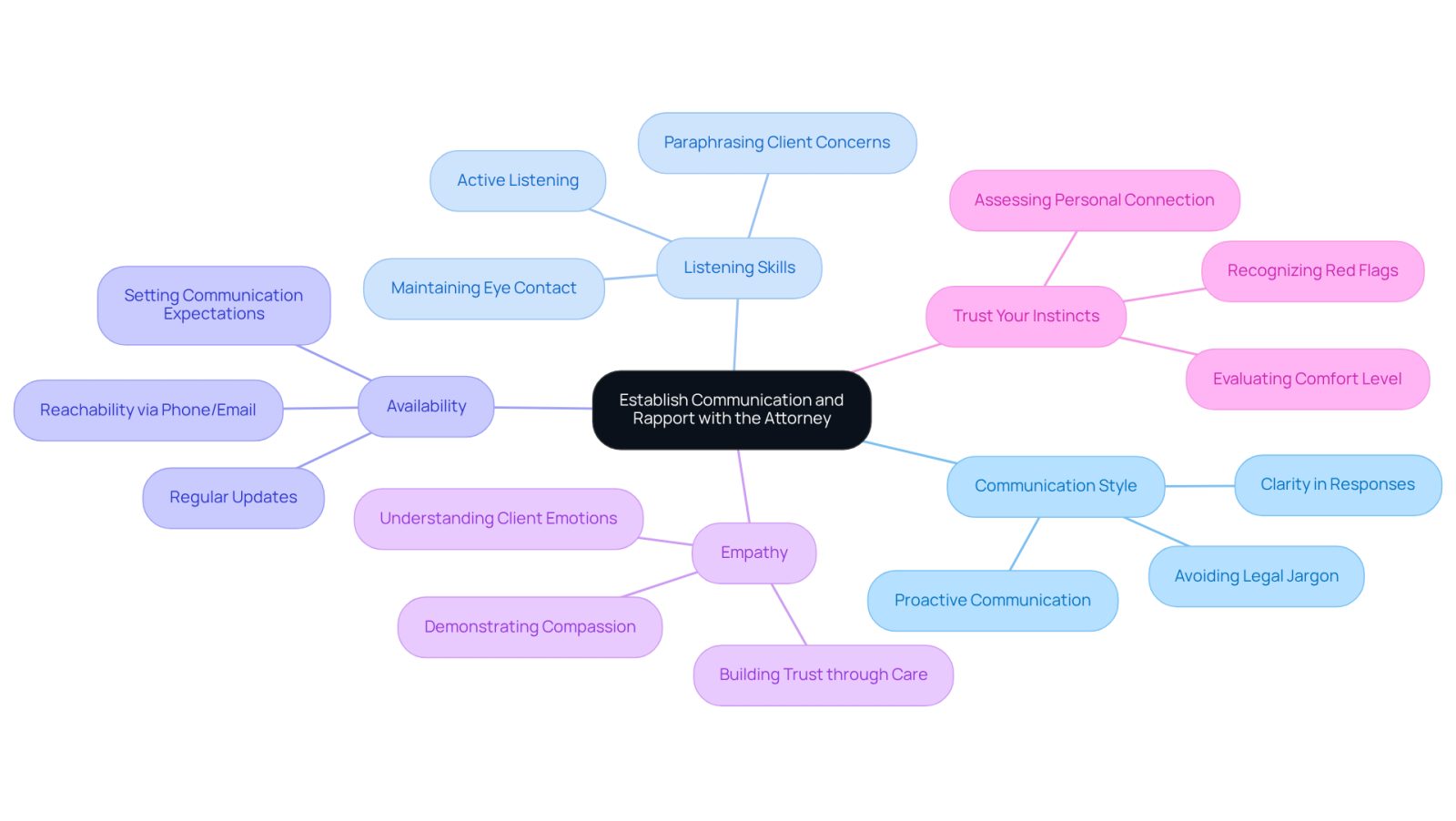
Choosing the right lawyer can feel overwhelming, but paying attention to their communication style can make a big difference. During your first interaction, evaluate how clearly and attentively they respond to your questions. Good communication is key to a successful relationship with your attorney. Many clients feel unhappy not because their lawyer isn’t skilled, but because they don’t communicate well.
Use the initial consultation to share your case details and observe how the lawyer listens. Your lawyer should listen to you and make you feel important, building a trust that’s crucial for handling your case effectively. This connection is essential for navigating the complexities of legal matters.
Inquire about the lawyer’s availability for communication. Will they be reachable via phone, email, or in-person meetings? It’s frustrating when you have to reach out just to get updates on your case. Understanding their communication style and accessibility can help set realistic expectations for future interactions.
A compassionate lawyer will demonstrate empathy towards your situation, significantly enhancing your comfort level and trust in their representation. When your lawyer shows they care about your situation, it makes you feel more at ease and confident in their ability to represent you. This quality is especially important in personal injury cases, where emotional support is as vital as professional expertise.
Finally, trust your instincts when choosing a lawyer. If you sense a strong connection and trust in their capabilities, it’s likely a suitable match for your requirements. Building a genuine connection with your attorney can truly change the course of your legal journey, making it more positive and effective.
Conclusion
Choosing the right scaffold accident attorney can feel overwhelming, especially when you’re already facing the emotional toll of an accident. It’s not just about finding someone with the right experience; it’s about finding a partner who understands your struggles and can guide you through the complexities of your case. A supportive attorney can help you navigate this challenging time, ensuring you receive the care and attention you deserve.
We’ve shared some important steps to guide you in making this decision:
- Evaluating an attorney’s experience with scaffold accidents
- Reviewing their track record
- Considering client testimonials
- Understanding fee structures
- Ensuring clear communication
These steps can foster a trusting relationship, which is vital for a successful legal partnership.
In conclusion, remember that the right support can turn a daunting journey into a path toward healing and justice. By following the outlined steps, you can empower yourself to make informed decisions that truly align with your needs. As you navigate these legal challenges, prioritizing the right support is essential for moving forward with confidence and assurance.
Frequently Asked Questions
Why is it important to assess an attorney’s experience and specialization in scaffold accidents?
Assessing an attorney’s experience and specialization is crucial because it ensures they understand the complexities of construction law, which can significantly impact your case.
What should I look for in an attorney’s educational background?
You should consider their educational background and experience, as this can indicate their understanding of construction law and their ability to handle scaffold accident cases effectively.
How can I find out about an attorney’s experience with scaffold accidents?
You can ask the attorney directly about their experience with scaffold accidents and inquire if they have successfully handled similar cases in the past.
Are certifications or memberships important when choosing a scaffold accident attorney?
Yes, certifications or memberships can demonstrate an attorney’s commitment to staying updated on best practices in personal injury and construction law.
Why is knowledge of OSHA regulations important for a scaffold accident attorney?
Knowledge of OSHA regulations and safety standards is crucial for building a strong case, as these regulations govern workplace safety and can impact liability in scaffold accidents.
What should I do during my first meeting with a potential attorney?
During your first meeting, share your story and observe how the attorney responds; this can help you gauge their understanding and support for your situation.
How can choosing the right attorney affect my recovery journey?
Choosing the right attorney can provide you with the necessary support and guidance throughout your recovery journey, making the process less overwhelming.
List of Sources
- Assess Attorney Experience and Specialization in Scaffold Accidents
- sutliffstout.com
- houstonpublicmedia.org
- 53+ Personal Injury Statistics For 2026 | Rev
- kornberglawfirm.com
- Evaluate Track Record and Client Testimonials
- lawyertime.com
- Scaffold Accident Attorneys Philadelphia – Scaffolding Injury Lawyers PA
- NYC Scaffold Accident Lawyer | Scaffold Fall Attorney New York
- perecman.com
- einhornlawyers.com
- Understand Fee Structures and Payment Options
- What Percentage Do Personal Injury Lawyers Charge? 25-40% Typical
- Contingency Fee Agreements in Personal Injury Cases: What You Need to Know
- Contingency Fee for Personal Injury Lawyers
- What Percentage Do Lawyers Take for Personal Injury Cases?
- Our Attorneys Fees Explained | Monsees and Mayer, P.C.
- Establish Communication and Rapport with the Attorney
Hurt like this?
We handle Construction Accidents cases in the Bronx.
Evan W. Kohn, Esq. — more than 35 years of Bronx personal-injury practice. Reading about it only goes so far; a free consultation tells you what actually applies to your case.