
Pedestrian Accidents
After Dark Bronx Crosswalk Crashes and the Evidence That Matters
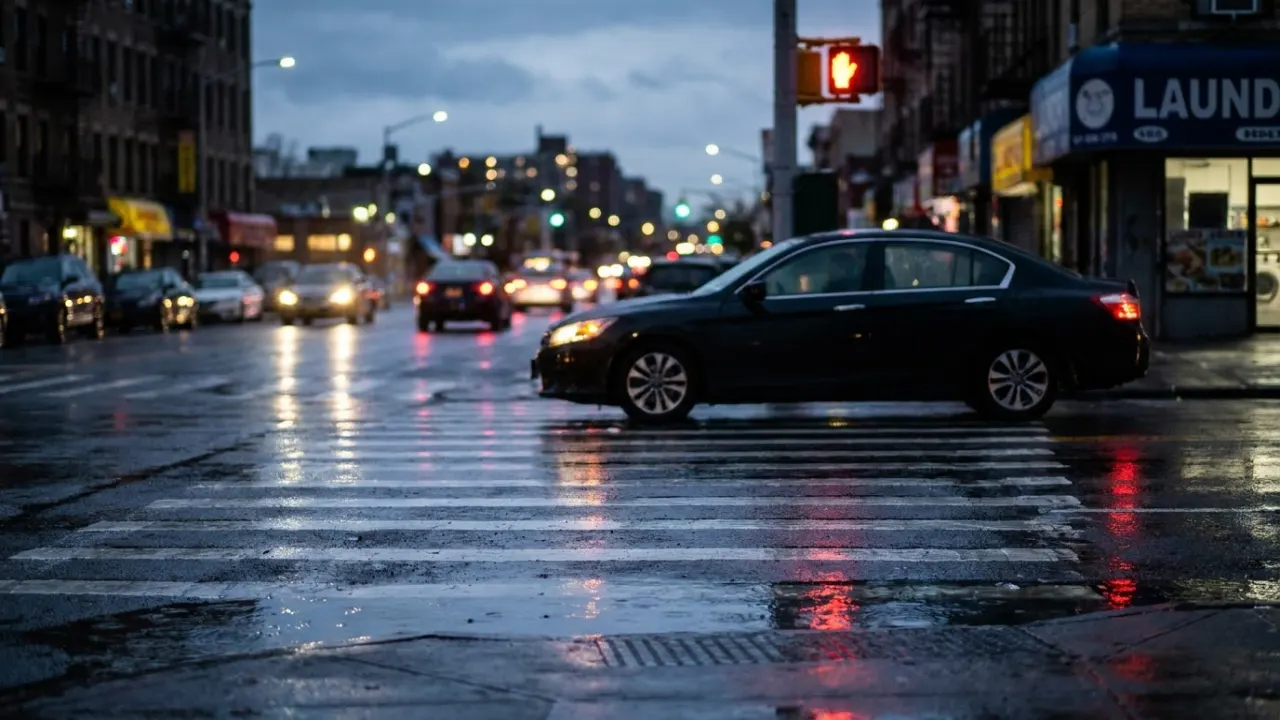
After-dark crosswalk crashes can leave injured pedestrians with urgent questions about what a driver saw, or should have seen, before impact. In the Bronx, early November sunsets, wet pavement, headlight glare, and heavy evening traffic can turn an ordinary crossing into a dangerous place within seconds.
Poor visibility may be part of the story, but it does not erase a driver’s duty to pay attention, follow signals, and use reasonable care near people walking. We often find that the answer lies in evidence that can disappear quickly, especially video, roadway conditions, and witness memories.
Darkness Changes Bronx Crosswalk Conditions
When daylight saving time ends, many people leave work, shop, take the bus, or walk home after dark. Drivers may face rain, fog, reflections from storefront windows, and bright headlights from oncoming traffic. A marked crosswalk can be harder to see, but so can the people using it.
Drivers are expected to adjust to the conditions in front of them. That can mean slowing down near intersections, looking carefully before turning, and watching for pedestrians near bus stops, schools, apartment buildings, and crowded streets. A driver who was speeding, distracted by a phone, or failed to yield may still bear responsibility even if the roadway was dark.
Certain conditions can make a nighttime collision harder to understand later:
- Faded or missing crosswalk paint
- Broken pedestrian signals or streetlights
- Construction barriers and blocked sidewalks
- Double-parked vehicles that block sightlines
- Trees, signs, or parked vehicles near an intersection
Because rain stops, construction moves, and repairs are made, we recommend documenting the area as soon as possible after a serious crash. The scene may not look the same a few days later.
Photos and Video Can Show What Was Missed
Nighttime photographs can be far more useful than people expect. Images of the crosswalk, traffic lights, streetlights, vehicle damage, skid marks, and nearby obstructions may help explain whether the driver had a fair opportunity to see a pedestrian.
Photos taken around the same time of night can also matter. Daytime images may show the layout of an intersection, but they may not show glare, shadows, dark clothing, burned-out lights, or poor visibility caused by wet pavement. We look at the full setting, not just a single image taken after conditions have changed.
Video can be even more revealing. Footage may come from nearby stores, apartment buildings, parking garages, buses, private residences, dash cameras, or traffic cameras. It may capture the collision itself, a driver entering an intersection, the pedestrian’s location, or the state of a traffic signal moments before impact.
Many recording systems automatically overwrite older footage. A Bronx pedestrian accident lawyer can take steps to seek and preserve recordings before they are deleted. Reporting a crash to police does not mean every camera owner will save their video.
Witnesses and Records Help Build a Clearer Timeline
People who were waiting for a bus, leaving a store, walking nearby, or driving behind the involved vehicle may have noticed details that are not obvious after a crash. Their recollection may help fill gaps when accounts conflict or a police report is brief.
Witnesses may be able to describe:
- Which traffic light was showing
- Whether the driver appeared to be speeding
- Where the pedestrian was before impact
- Whether the driver was looking down or turning
- How lighting and weather affected the intersection
A police accident report is an important starting point. It may identify the parties, witnesses, vehicle information, roadway location, and an officer’s initial observations. Still, a report is only one part of the larger picture. It may not include every witness statement, every camera source, or a complete explanation of why the collision happened.
Medical records can also document injuries, symptoms reported after the crash, and the treatment a person needs. Keeping records of appointments, work limitations, and communication from insurers can help preserve an accurate account of the effects of the collision.
Vehicle Data May Answer Important Questions
Some evidence is held by the driver, vehicle owner, employer, or an insurance company. Depending on the facts, records may include cell phone data, dash camera footage, vehicle event data, navigation information, inspection records, and maintenance history.
This material can sometimes help answer questions such as whether a driver braked before impact, was traveling too fast for conditions, or may have been using a phone. Mechanical problems can also matter in some cases, particularly if a vehicle owner failed to address an issue that affected braking, lights, or steering.
Prompt preservation efforts can reduce the chance that relevant information is repaired, deleted, overwritten, or lost. We know that families may be focused on medical care in the days after a crash. Still, waiting too long can make it harder to locate the information that explains what occurred.
Responsibility May Involve More Than One Party
The driver is often the main focus after a crosswalk collision, but responsibility may not end there. Another motorist may have created a dangerous situation. A vehicle owner, employer, delivery company, or rideshare-related entity may also become relevant depending on who owned the vehicle and why the driver was on the road.
Roadway conditions deserve close attention as well. Broken signals, poor lighting, dangerous construction activity, blocked sightlines, or poorly maintained crosswalk markings can affect how a collision occurred. When a public agency, contractor, or property owner may be involved, the matter can have different notice rules and shorter deadlines. Early legal guidance can help injured people understand which issues may need investigation.
Insurance companies may try to place blame on the pedestrian by claiming the person was distracted, crossed improperly, or was difficult to see. New York cases can involve comparative fault arguments, which is why video, witness testimony, lighting conditions, and traffic-signal information can be so important. We work to examine the full sequence of events rather than accepting a quick or incomplete explanation.
Protecting Evidence After a Nighttime Crash
Medical care should come first after a serious pedestrian accident. Following treatment recommendations, keeping paperwork, and being careful about statements made to insurance adjusters can help protect both health and the accuracy of the record. It is often wise to understand the situation fully before discussing fault.
After-dark Bronx crosswalk crashes often turn on evidence that changes or disappears fast. Video may be overwritten, witnesses may become hard to locate, and weather or street repairs may alter the scene. Taking prompt steps to preserve information can make a meaningful difference in understanding what happened.
Get Clear Guidance for Your Next Steps
The Law Offices of Evan W. Kohn can help you understand your options after a pedestrian collision. Speak with a Bronx pedestrian accident lawyer about the circumstances of your case and the support available. To discuss your situation with our team, contact us today.
Hurt like this?
We handle Pedestrian Accidents cases in the Bronx.
Evan W. Kohn, Esq. — more than 35 years of Bronx personal-injury practice. Reading about it only goes so far; a free consultation tells you what actually applies to your case.