
Car Accidents
Car and Truck Accidents in the Bronx: What to Do After a Crash and How the Claims Differ
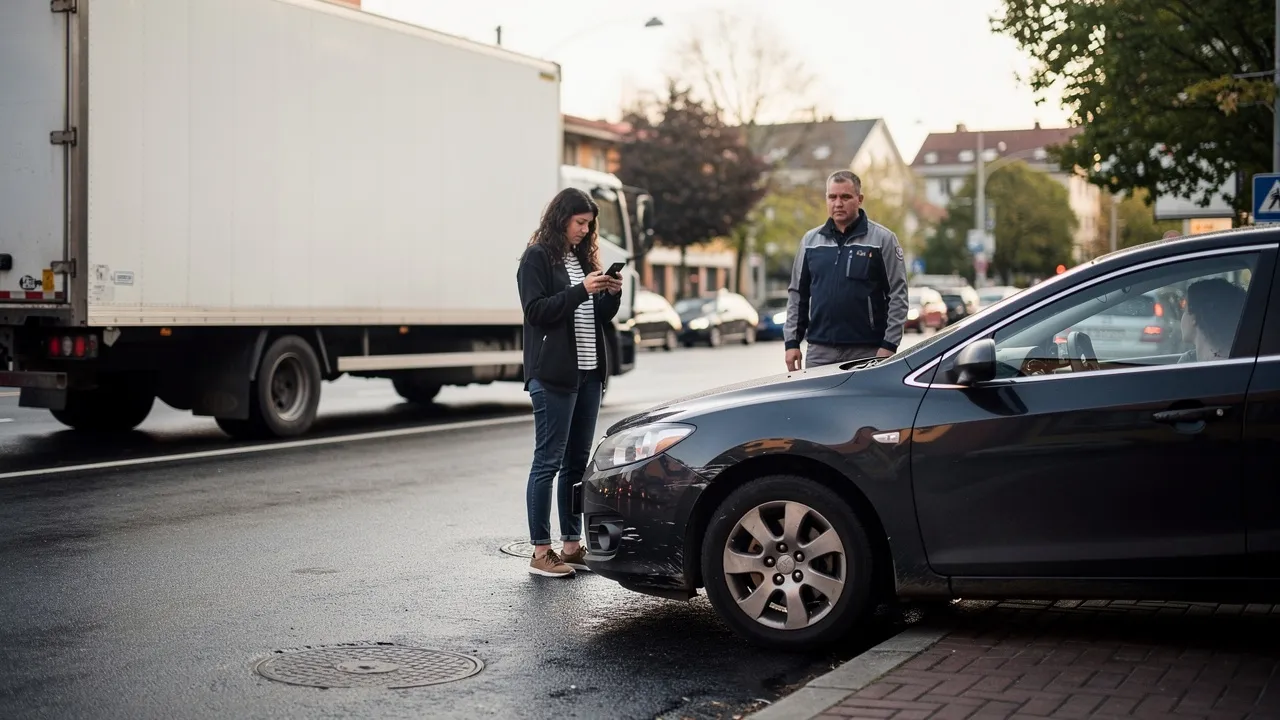
What should you do first after a Bronx car or truck crash?
A collision on the Cross Bronx Expressway, Fordham Road, or another New York City street can leave you hurt, shaken, and unsure what to do first. This guide explains how to protect your health, document the crash, handle insurance, preserve evidence, and recognize when prompt legal review may help.
The first post-crash steps are simple, even when the situation is not. Work through them in this order when your condition allows:
- Call 911 and obtain emergency help when anyone may be seriously hurt.
- Get medical care and follow the treatment instructions you receive.
- Photograph the vehicles, the truck and its identifying details, the roadway, damage, and other visible conditions when you can do so safely.
- Write down witnesses’ names and phone numbers.
- Report a hit-and-run or suspected uninsured-driver crash to police promptly.
- Keep crash reports, medical records, bills, prescriptions, wage information, photographs, and insurer messages together.
- Avoid giving statements to the trucking company’s insurance adjuster before you understand what is being requested.
New York liability coverage requirements include $10,000 for property damage from a single crash, $25,000 for bodily injury and $50,000 for death for one person, and $50,000 for bodily injury and $100,000 for death for two or more people. These are coverage limits stated by the New York Department of Motor Vehicles, not a valuation of your injuries or a prediction of what any claim will recover.
A truck crash can require a wider evidence review than a collision involving only passenger vehicles. The sections below connect the physical differences between vehicles to records, medical care, insurance, New York’s no-fault system, and filing deadlines.
How can a truck’s size and blind spots change the crash?
A commercial truck’s size, weight, stopping distance, cargo, and visibility can change the questions raised by a collision. Truck-collision investigations may examine those features along with travel speed, road conditions, traffic signals, weather, photographs, and damage patterns. A passenger car and a truck can occupy the same Bronx lane, but the physical evidence may tell a different story about space, movement, and impact.
A commercial truck’s no-zones are large blind spots where the driver’s visibility is severely limited, and they are significantly larger than blind spots on a passenger car. Commercial-truck safety guidance describes a front blind spot extending about 20 feet directly in front of the cab, an area up to 30 feet behind the trailer that can be invisible to the driver, and a right-side no-zone that can stretch across two or more lanes. If you are driving near a truck, avoid lingering in those areas when possible.
A truck needs much more time and space to stop, so avoid cutting in front of one. Use signals early, leave room when merging, and do not remain beside a truck longer than necessary. After a collision, the same stopping-space question can make skid marks, vehicle positions, road conditions, and damage patterns relevant to understanding what happened.
The NHTSA material cited in the field study reported that, in 2013, 3,964 people were killed and an estimated 95,000 people were injured in crashes involving large trucks in the United States. Those figures describe national historical data; they do not establish what caused a particular Bronx collision.
Brake condition can also become an evidence question. According to Brake Pro, 85 percent of trucks, tractor-trailers, and trailers in North America had some form of brake-system component maintenance or replacement work and would no longer necessarily meet new-vehicle stopping-distance standards. That figure measures vehicles with reported maintenance or replacement work; it does not show that a specific truck had defective brakes or caused a particular crash.
What driving and equipment issues may matter when reviewing a crash?
Driver attention can become part of a crash review. Using a cell phone while driving creates potential for deaths and injuries on U.S. roads, and 3,208 people were killed in motor-vehicle crashes involving distracted drivers in 2024. That number measures U.S. deaths in crashes involving distracted drivers during 2024; it does not identify the cause of your collision or establish that a particular driver was distracted.
Truck braking records can raise separate questions from driver conduct. Brake manufacturers and other commenters reported that in-service truck brakes may fall short of standards for brakes sold with new vehicles. The Truck Manufacturers Association stated that 45 percent of trucks involved in crashes where brakes were the primary avoidance system had non-compliant brakes. The 45 percent figure concerns that defined crash group and does not show that every truck has a braking problem.
Collision-avoidance equipment does not always operate in the same way. Some systems use radar or cameras to detect potential conflicts, warn the driver, and, if the driver does not respond, automatically brake to reduce impact speed or avert a crash. A forward collision warning system monitors speed and following distance and warns when a vehicle gets too close, but it does not take action to avoid the crash. Identify the vehicle’s equipment and what it was designed to do rather than treating every warning system as automatic braking.
The NHTSA field test collected about 85,000 hours of driving and 885,000 collision-avoidance-system activations, then sampled 6,000 activations, including all automatic-emergency-braking events and impact alerts. Those figures measure one field test of systems used by participating trucking companies, not the performance of every truck or the circumstances of a particular Bronx crash. Ask that equipment records, available vehicle data, and maintenance information be preserved for qualified review.

Why can truck-crash evidence involve more records and participants?
Truck-crash evidence may involve more than the statements of the two drivers. A review may involve the trucking company, the driver, a repair provider, a cargo handler, or another participant connected to the vehicle or load. That possibility does not decide who is responsible; it identifies where relevant information may be held.
Commercial truck records can include driver logs, inspection records, electronic vehicle data, maintenance files, cargo documents, and dispatch communications. Federal motor-carrier safety requirements call for retaining records of truck inspections, repairs, and maintenance. Ask a qualified professional to identify which records may matter and which people or businesses may possess them.
Physical evidence can help explain a truck collision. Vehicle damage, skid marks, debris, road conditions, photographs, surveillance footage, and witness accounts may help establish how the collision occurred. Medical records establish injury, while vehicle data, maintenance files, cargo documents, photographs, and witness accounts help explain the circumstances surrounding the crash.
What should you do at the scene and during medical follow-up?
Your health comes before preserving a photograph or document. We recommend calling 911 and getting medical care after a truck accident. Symptoms of mild traumatic brain injury and concussion differ for each person and may affect how you feel, think, act, or sleep. If you are unsure whether symptoms after a possible concussion or other mild traumatic brain injury require emergency care, contact emergency services or a qualified medical professional promptly.
Scene documentation should focus on details that may change later. We recommend photographing the truck and its details, including identifying information, and getting witness information. Note witnesses’ names and phone numbers, save photographs in more than one place, and write down what you remember while the sequence is still clear.
Medical follow-up creates a separate record of your condition. Keep appointment information, discharge papers, treatment instructions, prescriptions, bills, and notes about symptoms. Tell your medical professional about symptoms that affect how you feel, think, act, or sleep, and follow the care instructions you receive.
Insurance contact can begin before you understand every issue in a truck crash. We recommend avoiding statements to the trucking company’s insurance adjuster. Claims involving a hit-and-run or uninsured driver have strict deadlines, so report the crash to police quickly and keep the report information with your other records.
How should you identify insurance and handle the first notice?
Insurance identification begins with the vehicle’s registration. If the vehicle was registered in New York State, search the Department of Financial Services insurance-company code list; the search is free and provides immediate results. The three-digit insurance-company code appears on the accident report, so keep that report available when you search.
The Department of Motor Vehicles may provide the next contact. If DMV records show that the vehicle was properly insured, contact the insurance company after DMV provides its name and policy number, if available. Keep the date, contact name, claim number, and documents exchanged in your crash file.
New York’s no-fault law defines basic economic loss as up to $50,000 per person for specified covered expenses, subject to statutory limitations. The category can include qualifying medical and related treatment expenses, but the statutory definition and limits control how the benefit applies.
No-fault notice timing can affect the first insurance step. The New York Department of Financial Services example says an accident on January 1 requires notice to be mailed or submitted to the insurer no later than January 31. Treat that as the agency’s example of the notice period, and preserve proof of when you submitted information.
Insurance communications should stay organized and factual. Keep copies of forms, photographs, accident reports, medical bills, and correspondence. Do not guess about medical improvement, fault, or the value of your claim when an insurer asks questions you do not understand.
Which New York insurance and deadline rules can change the next step?
New York no-fault rules and the serious-injury threshold address different parts of a motor-vehicle claim. New York defines basic economic loss as up to $50,000 per person for specified combined expenses, subject to statutory limitations. Under New York Insurance Law § 5104, a covered person generally cannot recover non-economic loss or basic economic loss from another covered person for motor-vehicle negligence unless there is a serious injury, subject to the statute’s terms.
New York defines serious injury to include death, dismemberment, significant disfigurement, a fracture, loss of a fetus, permanent loss of use of a body organ, member, function, or system, permanent consequential limitation of use of a body organ or member, or significant limitation of use of a body function or system. A medical diagnosis and the legal definition do not answer every claim question by themselves, so preserve complete treatment records.
New York generally requires an action for damages for personal injury to be commenced within three years, subject to statutory exceptions. The three-year period is not a universal deadline for every person or claim, and other rules can create a shorter time limit.
A crash involving a New York municipal or public entity can follow a different path. Before filing a lawsuit against a public entity for personal injury, property damage, or wrongful death caused by alleged negligence or misconduct of public employees or agencies, a Notice of Claim is required. The notice generally must be served within 90 days after the accident or other event giving rise to the claim, and at least 30 days must pass after a proper and timely notice before the lawsuit can begin. A court may allow late service, but it may not be served later than one year and 90 days after the accident or event.
Deadline questions belong near the beginning of your review, not at the end. Identify the crash date, the vehicle owners and operators, whether a public roadway or agency may be involved, and every notice or insurance communication already sent. Those facts can change which deadline deserves attention first.
When should you seek immediate medical or professional help?
Symptoms of mild traumatic brain injury differ for each person and may affect how you feel, think, act, or sleep. If you are concerned about a possible concussion, contact a qualified medical professional promptly.
Truck evidence can change with time. If a truck, commercial driver, surveillance camera, or electronic system may be involved, ask promptly about preserving relevant records.
Prompt qualified legal review can be useful when the crash involves a commercial truck, a hit-and-run or uninsured vehicle, serious injuries, disputed insurance, a possible public entity, or uncertainty about a deadline. When reviewing a late Notice of Claim, a court may consider whether the public entity had actual knowledge of essential facts within 90 days or a reasonable time afterward, prejudice to the defense, and whether a reasonable excuse exists for the delay.
The next action should match the risk in front of you. Call emergency services for danger signs, obtain medical care for injury concerns, report the crash promptly when police involvement is needed, preserve truck and scene information, and seek qualified review when insurance, evidence, or deadlines are uncertain.
What information should you organize before requesting a case-specific review?
A useful crash file should contain the crash date and location, police or accident reports, photographs and video, vehicle and insurance information, witness names and phone numbers, medical records and bills, treatment instructions, wage information, and every insurer communication. Add truck details, cargo or company information, and any notice about a public entity when those facts apply.
A qualified New York professional can review your specific injuries, records, insurance, deadlines, and other facts before you decide what to do next.
Bring your organized questions to a case-specific discussion, especially if a commercial truck, serious injury, uninsured vehicle, public entity, disputed insurer, or time-sensitive record is involved.
What questions do injured Bronx drivers and passengers commonly have after a car or truck crash?
Does a truck crash automatically make the trucking company responsible?
No. Responsibility depends on the available facts and evidence. A review may need to examine the driver, trucking company, repair provider, cargo handler, vehicle condition, records, road conditions, and conduct of other drivers. The vehicle involved does not by itself establish fault.
What should I preserve if a commercial truck was involved?
Keep photographs, vehicle and cargo details, witness information, police records, medical records, bills, and insurer messages. Note the truck and company information when safe. Ask promptly about preserving driver logs, inspection and maintenance records, electronic vehicle data, cargo documents, dispatch communications, and available surveillance or video evidence.
What if my pain or concussion symptoms appear after I leave the crash scene?
Seek medical care and tell the medical professional about symptoms affecting how you feel, think, act, or sleep. Symptoms can differ from person to person. Seek immediate emergency care if danger signs appear, and keep treatment instructions, appointment information, prescriptions, bills, and symptom notes.
Hurt like this?
We handle Car Accidents cases in the Bronx.
Evan W. Kohn, Esq. — more than 35 years of Bronx personal-injury practice. Reading about it only goes so far; a free consultation tells you what actually applies to your case.