
Personal Injury Basics
Master SSD Claims: Your Guide to Choosing a Social Security Lawyer

Introduction
Navigating the complexities of Social Security Disability Insurance (SSDI) can feel like an overwhelming journey, especially for those grappling with debilitating medical conditions. The weight of understanding eligibility criteria, gathering necessary documentation, and recognizing the importance of legal representation can be daunting. This struggle is not just about paperwork; it’s about securing the support that can make a real difference in one’s life.
With so much at stake, how can potential claimants find the right social security lawyer to help them through this intricate process? By exploring essential steps and key considerations in selecting a qualified attorney, individuals can empower themselves to make informed decisions, ultimately enhancing their chances of success.
Clarify Social Security Disability: Key Concepts and Eligibility Criteria
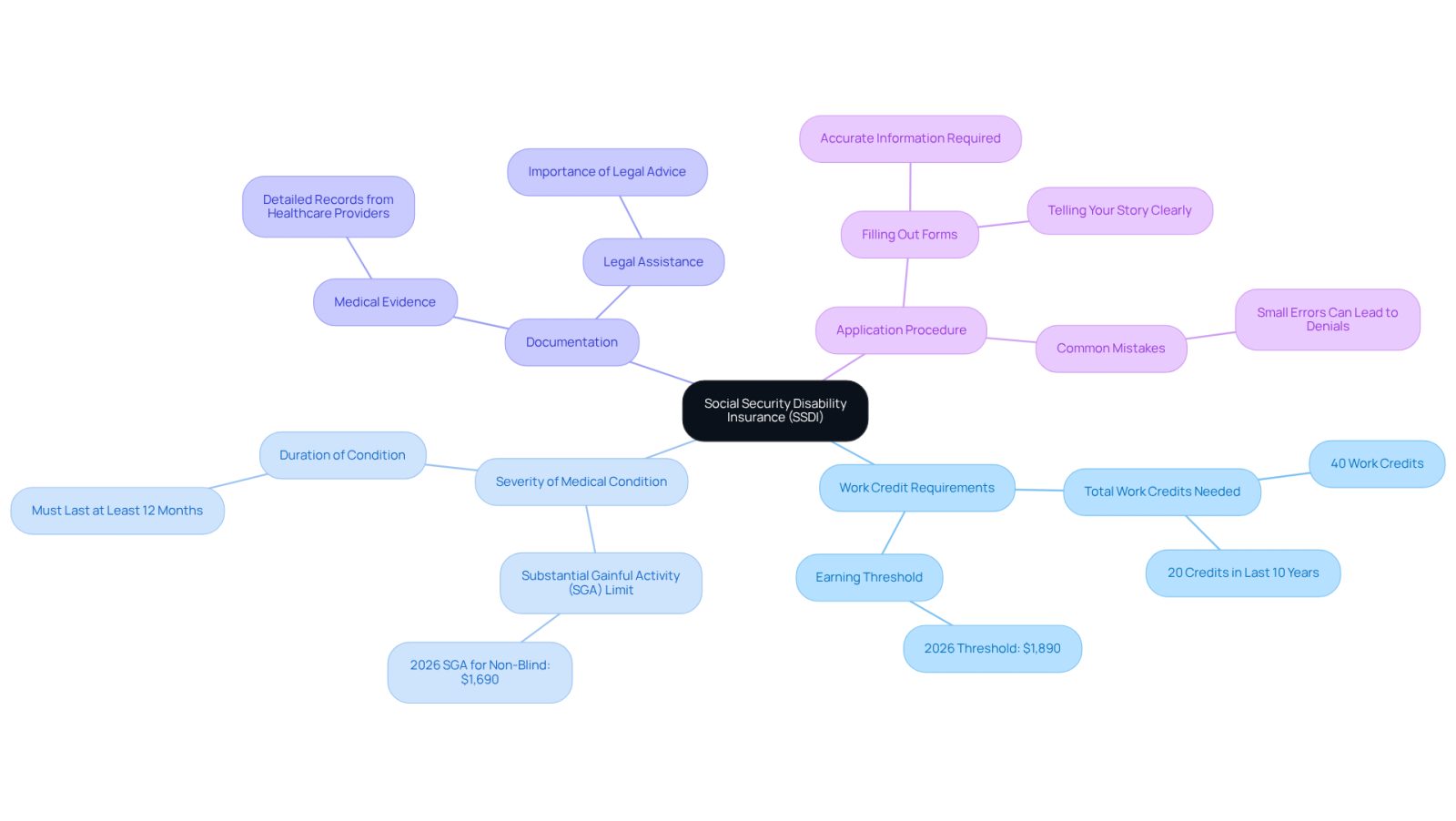
Social Security Disability Insurance (SSDI) serves as a vital lifeline for individuals who find themselves unable to work due to a medical condition that is expected to last at least one year or may even lead to death. However, the path to qualifying for SSDI can feel daunting, and understanding the requirements is the first step toward securing the support you need.
One of the primary hurdles is the work credit requirement. Generally, individuals need to accumulate 40 work credits, with at least 20 earned in the last 10 years. As of 2026, the threshold for earning one work credit will rise to $1,890, meaning that workers will need to earn more each year to qualify. This change can add to the stress of those already facing significant challenges.
Moreover, the severity of your medical condition plays a crucial role in your eligibility. To qualify, your condition must be serious enough to prevent you from engaging in any substantial gainful activity (SGA). For 2026, the SGA limit for non-blind individuals is set at $1,690 per month. This figure can feel overwhelming, especially when you’re grappling with the impact of your health on your daily life.
Documentation is another critical aspect of the SSDI application process. Providing medical evidence. This means gathering detailed records from healthcare providers that support your claim. Many clients, like Denise K., have expressed gratitude for the legal advice from their social security lawyer, which helped them navigate the SSDI procedures more smoothly. Thorough documentation can make a significant difference in the success of your claim.
Understanding the application procedure is equally important. Knowing how to accurately fill out forms and what specific information is required can be the key to your success. It’s not just about filling out paperwork; it’s about ensuring that your story is told clearly and effectively.
Recent statistics reveal that many SSDI applicants struggle to meet the work credit requirements. While around 7.5 million Americans currently receive SSI benefits, the percentage of SSDI applicants who meet these work credit requirements is a crucial factor in determining eligibility. By grasping these key concepts and seeking support, potential claimants can navigate the SSD process with greater confidence and significantly improve their chances of receiving the benefits they deserve.
Select the Right Lawyer: Essential Steps for Hiring a Social Security Disability Attorney
Choosing the right social security lawyer for your Social Security Disability (SSD) application can feel overwhelming, but it’s a crucial step that can greatly influence your chances of success. Let’s explore some essential steps to help you find the support you need:
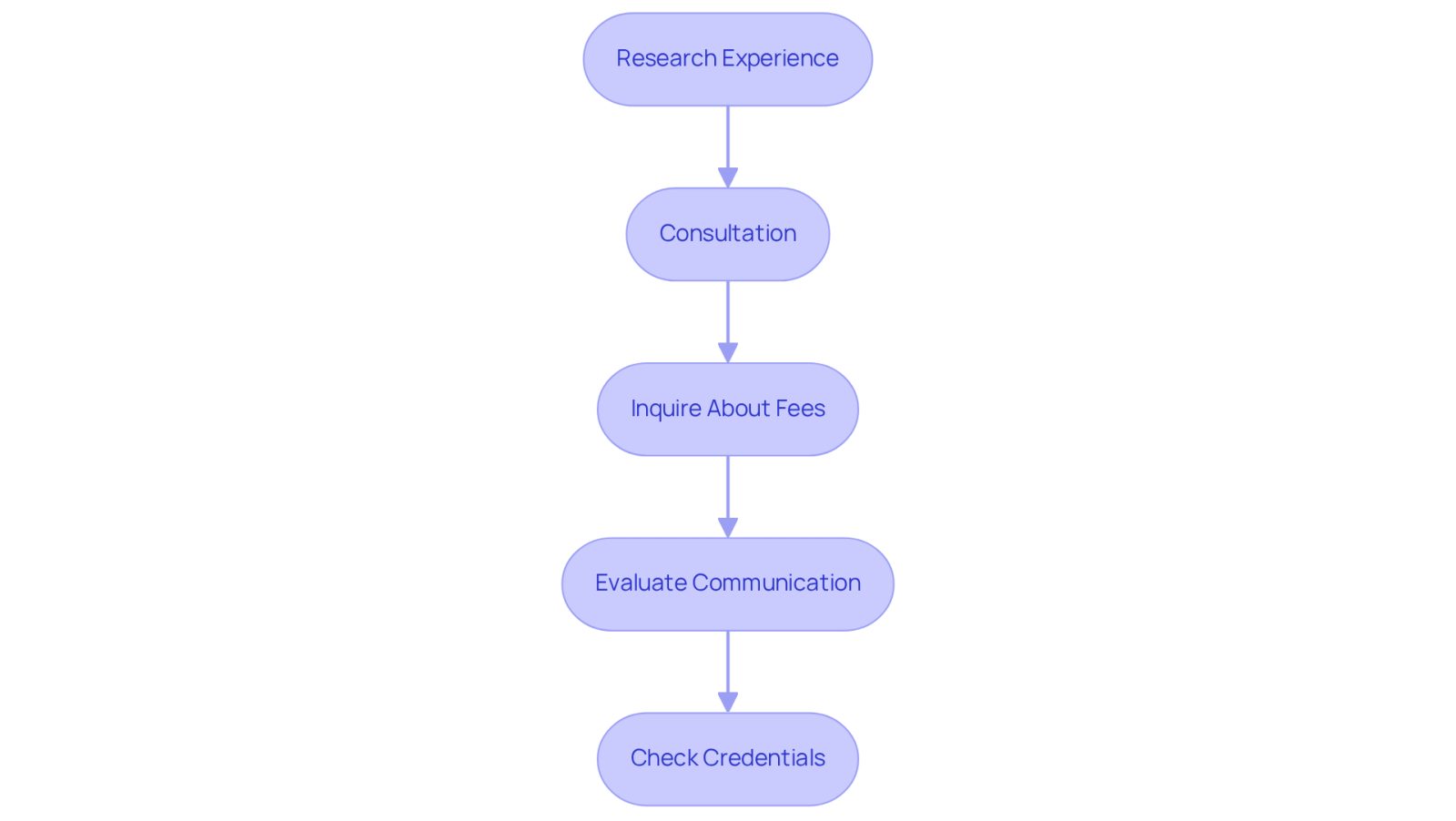
- Research Experience: It’s important to seek out legal professionals who specialize in SSD law and have a proven track record of successful claims. Take the time to look into their years of practice and read client testimonials. This can give you a sense of their effectiveness. Remember, hiring a social security lawyer can nearly double your chances of winning benefits, as approval rates are significantly higher for those with legal representation.
- Consultation: Don’t hesitate to schedule consultations with potential lawyers. Many offer free initial meetings, which can be a great opportunity for you to assess their expertise and how they approach your case. Engaging a social security lawyer early in the application process can significantly impact your approval rates.
- Inquire About Fees: Understanding the lawyer’s fee structure is essential. SSD legal representatives typically work on a contingency fee basis, meaning they only get paid if you win your case. The maximum fee is 25% of your back pay, capped at $7,200 for 2026, so it’s important to clarify this upfront.
- Evaluate Communication: Make sure the legal representative you choose is accessible and responsive to your questions. Effective communication is vital throughout this process, as it helps build a strong attorney-client relationship that can support you during challenging times.
- Check Credentials: Finally, take the time to lawyer’s credentials and check for any disciplinary actions through your state bar association. This step is crucial to ensure you’re working with a qualified professional who has your best interests at heart.
By following these steps, you can find a qualified social security lawyer who will advocate for your rights and guide you through the complexities of the SSD claims process with compassion and understanding.
Ask the Right Questions: Key Inquiries for Your Disability Lawyer Consultation
When you’re considering a potential social security lawyer, it’s crucial to ask the right questions. This can help you feel more confident in finding a social security lawyer who truly understands your situation and can provide support during this challenging time. Here are some important inquiries to keep in mind:
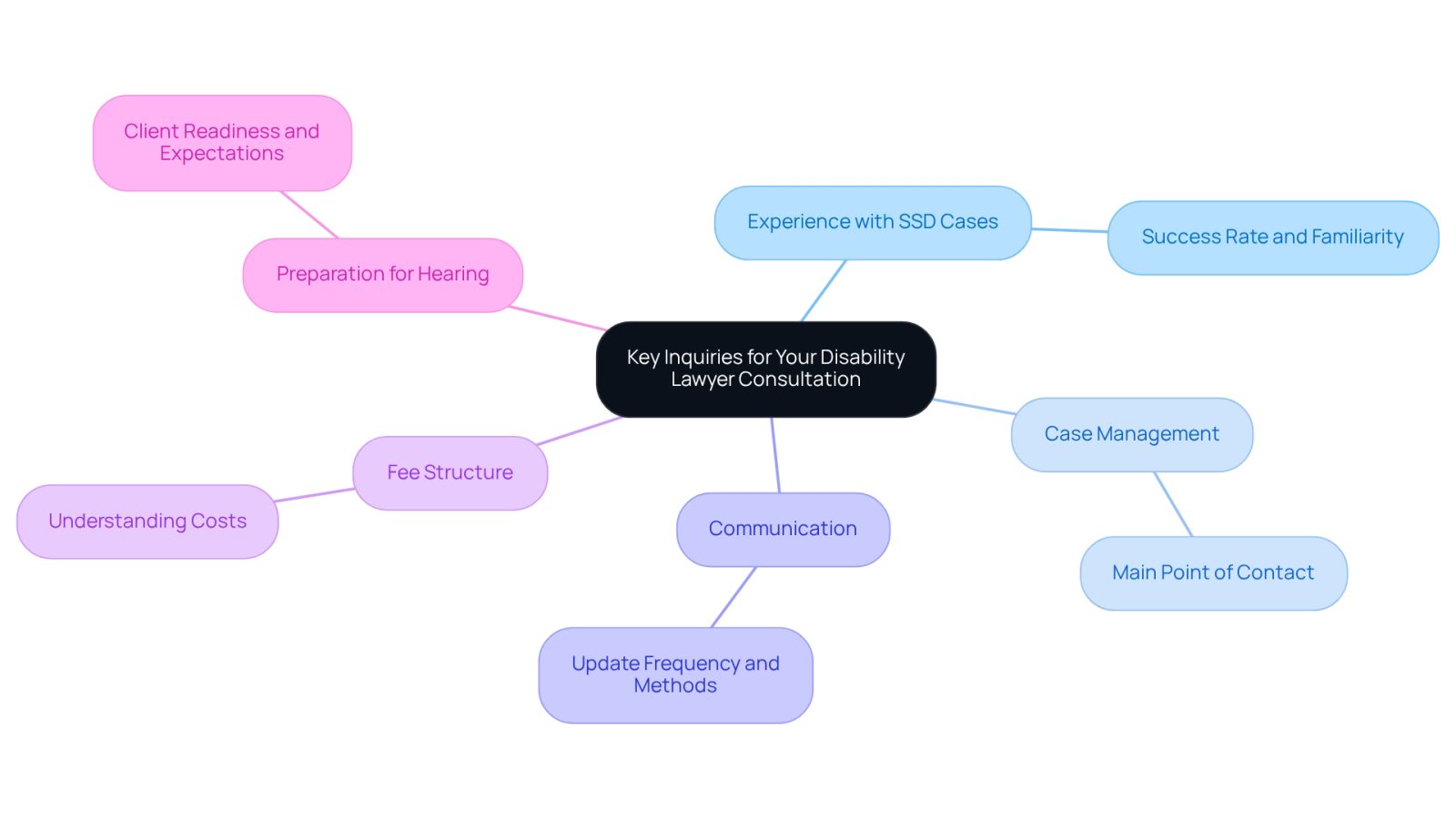
- Experience with SSD Cases: “How many SSD cases have you handled, and what is your success rate?” This question helps you gauge their familiarity with cases like yours, which can be reassuring.
- Case Management: “Will you be the one managing my case, or will it be assigned to another legal representative or paralegal?” Knowing who will be your main point of contact can ease your worries about communication and support.
- Communication: “How often will you update me on my case, and what is your preferred method of communication?” Regular updates can help you feel more involved and informed, which is so important during this process.
- Fee Structure: “Can you explain your fee structure and any additional costs I might incur?” Understanding the financial aspects upfront can alleviate some of the stress associated with legal fees.
- Preparation for Hearing: “How do you ready clients for hearings, and what should I anticipate during the procedure?” Being prepared can make a significant difference in how you feel going into a hearing.
By asking these questions, you can gain valuable insights into the attorney’s approach and ensure they align with your needs, ultimately helping you feel more secure in your choice.
Navigate Challenges: Understanding Common SSD Application Pitfalls and Appeals
Navigating the SSD application process can feel overwhelming, and many applicants find themselves facing common pitfalls that often lead to denials. It’s important to recognize these challenges and understand how to avoid them:
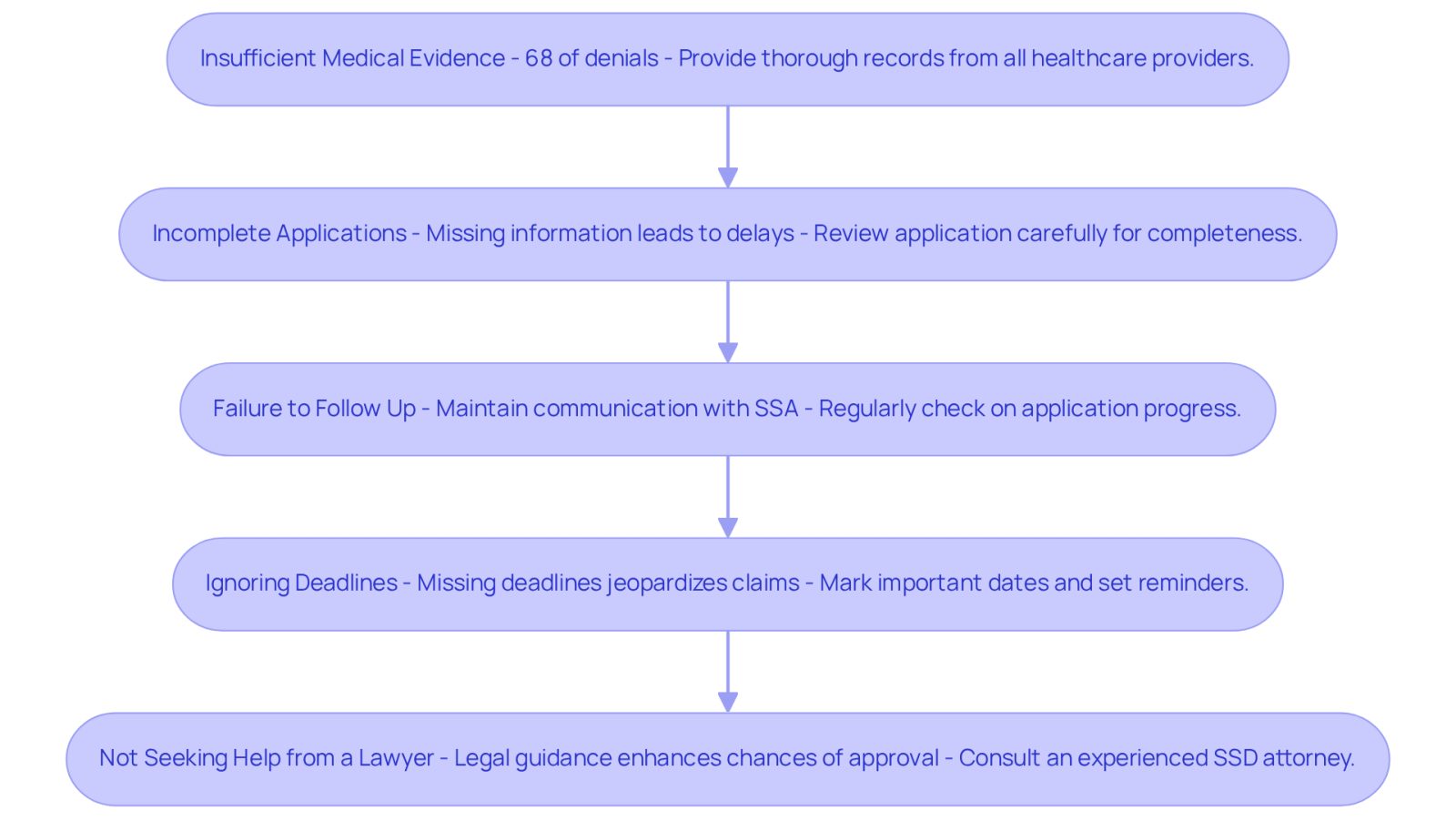
- Insufficient Medical Evidence: A staggering 68% of SSD applicants are denied due to inadequate medical documentation. This can be disheartening, but you can strengthen your case by providing thorough records from all healthcare providers involved in your treatment. Include diagnostic tests and specialist evaluations to bolster your assertion.
- Incomplete Applications: It’s crucial to review your application carefully to ensure every section is filled out completely and accurately. Missing information can lead to frustrating delays or outright denials, so paying attention to detail is essential.
- Failure to Follow Up: After submitting your application, it’s vital to maintain open lines of communication with the Social Security Administration (SSA). Regularly check on the progress of your request and respond promptly to any inquiries for further details. This proactive approach can help prevent unnecessary delays.
- Ignoring Deadlines: Staying vigilant about all deadlines related to your application and appeals is key. Missing a deadline can jeopardize your claim, so it’s wise to mark important dates on your calendar and set reminders to keep yourself on track.
- Not seeking help from a social security lawyer: Many applicants attempt to navigate the process on their own, which can lead to costly mistakes. Seeking the guidance of an experienced SSD attorney can significantly enhance your chances of approval. They can help ensure your application is complete and meets SSA requirements.
By understanding these common pitfalls and taking proactive steps, you can improve your chances of a successful SSD claim. As legal experts often remind us, “Adhering to a doctor’s orders demonstrates an attempt to improve the condition, which strengthens an SSD application.” This underscores the vital role of medical evidence in the approval process.
Conclusion
Navigating the complexities of Social Security Disability Insurance (SSDI) can feel overwhelming, leaving many individuals feeling lost and uncertain. It’s crucial to understand the key elements involved, as this knowledge can empower you to secure the benefits you truly deserve. This guide has shed light on the importance of grasping eligibility criteria, the significance of thorough documentation, and the vital role a skilled social security lawyer plays in the application process. By taking informed steps, you can enhance your chances of success in what often feels like a daunting journey.
Key insights discussed include:
- The necessity of meeting work credit requirements
- The impact of medical conditions on eligibility
- The importance of a well-prepared application
Moreover, we emphasized the value of hiring a qualified attorney, whose expertise can nearly double your chances of winning benefits. By asking the right questions during consultations and being aware of potential pitfalls in the application process, you can navigate your SSD claims with greater confidence and clarity.
Ultimately, the journey to obtaining SSD benefits is not just about filling out forms; it’s about advocating for yourself and ensuring that your unique story is communicated effectively. Seeking the right legal support and being proactive in the application process can truly make all the difference. For those facing challenges with SSD claims, taking these steps is crucial to achieving a successful outcome and securing the necessary support for a brighter future.
Frequently Asked Questions
What is Social Security Disability Insurance (SSDI)?
SSDI is a program that provides financial support to individuals who are unable to work due to a medical condition that is expected to last at least one year or may lead to death.
What are the work credit requirements for SSDI?
Individuals generally need to accumulate 40 work credits, with at least 20 earned in the last 10 years. As of 2026, the threshold for earning one work credit will rise to $1,890.
What is the Substantial Gainful Activity (SGA) limit for SSDI eligibility?
For 2026, the SGA limit for non-blind individuals is set at $1,690 per month, meaning your medical condition must prevent you from earning this amount to qualify for SSDI.
How important is documentation in the SSDI application process?
Comprehensive medical evidence is essential for the SSDI application. Gathering detailed records from healthcare providers that support your claim can significantly impact the success of your application.
Why might individuals seek legal advice when applying for SSDI?
Many applicants find that legal advice from a social security lawyer helps them navigate the SSDI procedures more smoothly, ensuring that they understand the application process and requirements.
What should applicants understand about the application procedure for SSDI?
Applicants need to know how to accurately fill out forms and what specific information is required, as telling their story clearly and effectively can be crucial for their success.
What challenges do SSDI applicants face regarding work credit requirements?
Many SSDI applicants struggle to meet the work credit requirements, which is a critical factor in determining their eligibility for benefits.
List of Sources
- Clarify Social Security Disability: Key Concepts and Eligibility Criteria
- Select the Right Lawyer: Essential Steps for Hiring a Social Security Disability Attorney
- shumanlegal.com
- oal-law.com
- Chances of Winning Disability with a Lawyer: Data Revealed — Impact Disability Law
- disabilitya-z.com
- louislawgroup.com
- Ask the Right Questions: Key Inquiries for Your Disability Lawyer Consultation
- rooselaw.com
- 10 Questions to Ask Your Social Security Disability Lawyer – Joyce and Bary Law
- thegoodlawgroup.com
- wegetyourdisability.com
- Navigate Challenges: Understanding Common SSD Application Pitfalls and Appeals
Hurt like this?
We handle Personal Injury Basics cases in the Bronx.
Evan W. Kohn, Esq. — more than 35 years of Bronx personal-injury practice. Reading about it only goes so far; a free consultation tells you what actually applies to your case.