
Medical Malpractice
Understanding Attorney Fees in Medical Malpractice Cases

Introduction
Navigating the financial landscape of medical malpractice cases can feel overwhelming for victims seeking justice. The reality is that attorney fees, typically a percentage of the settlement, can vary widely. This variability presents both an opportunity and a challenge for those trying to find their way through this intricate legal maze. How can individuals prepare for these costs while feeling empowered to pursue their claims without the stress of upfront payments?
It’s essential to recognize that the burden of these financial concerns can weigh heavily on victims, adding to their emotional distress. The fear of incurring costs before seeing any results can deter many from seeking the justice they deserve. This is a common struggle, and it’s important to acknowledge that feeling anxious about these expenses is completely valid.
However, there is hope. By understanding the options available, individuals can take proactive steps to alleviate these financial worries. Seeking legal representation that offers flexible payment structures can be a game-changer, allowing victims to focus on their recovery and the pursuit of their claims without the added pressure of immediate costs.
Explore the Basics of Attorney Fees in Medical Malpractice
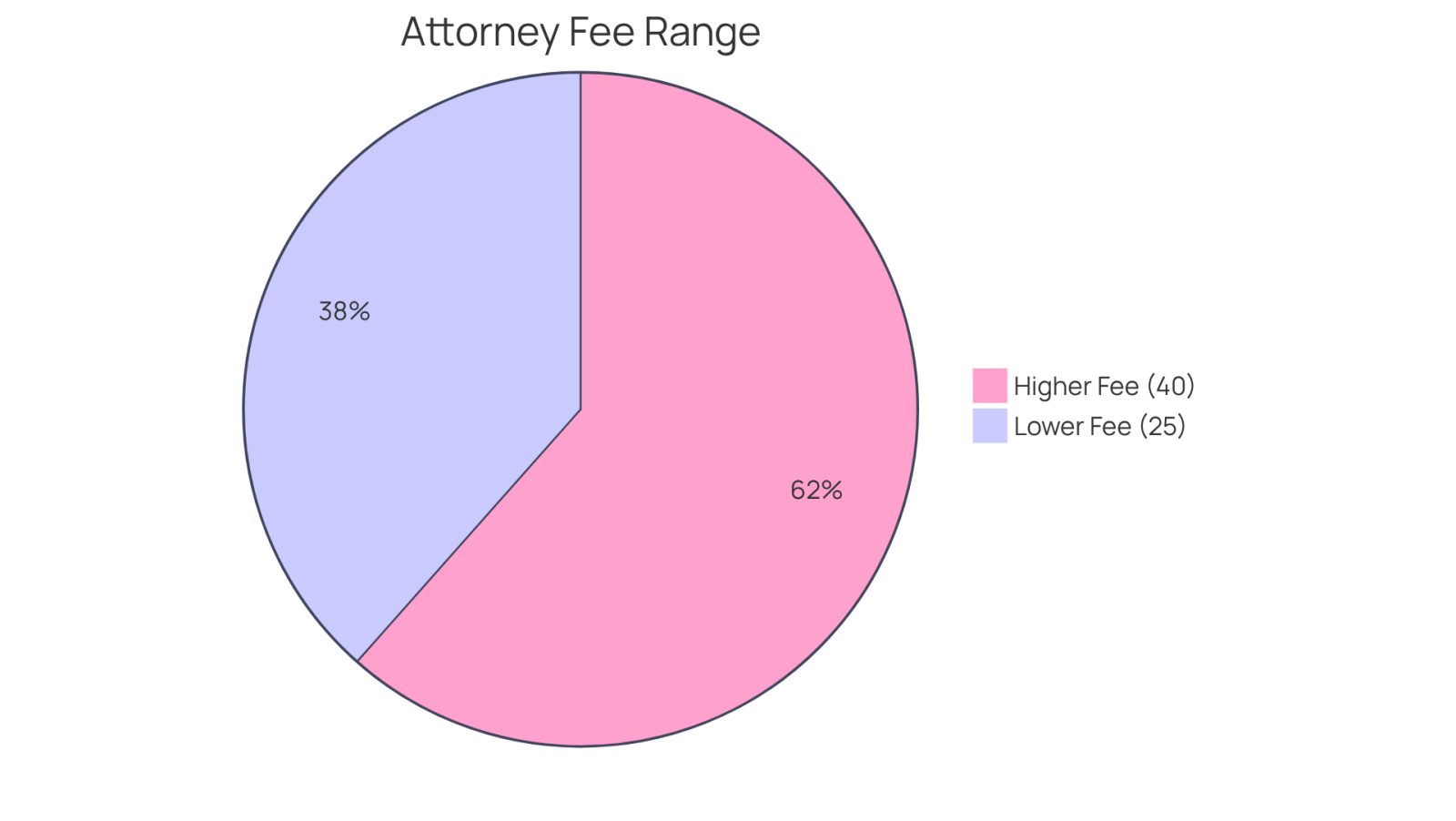
When facing medical malpractice, the last thing you want to worry about is how to cover attorney fees for medical malpractice. In medical malpractice cases, attorney fees typically range from 25% to 40% of the settlement or jury award, depending on the complexity of the case and the attorney’s experience. This fee structure is built on a contingency arrangement, which means you won’t have to pay anything upfront. You only pay if your case is successful, making it easier for those who might be struggling financially to seek the justice they deserve.
In a contingency fee agreement, your lawyer’s payment hinges on a successful outcome. This aligns both your interests and those of your lawyer, allowing you to pursue your claim without the burden of hourly legal costs. You shouldn’t have to worry about being financially penalized if your case doesn’t go as planned. For instance, if your malpractice case involves a complicated surgical mistake, your lawyer might charge a higher percentage, reflecting the increased challenges and resources required.
It’s crucial to understand that while legal fees are based on the recovery amount, there may be additional litigation costs, like court fees and expenses for obtaining medical records. Typically, these costs are covered by your lawyer and deducted from the final settlement. To avoid any surprises later, make sure to ask about the lawyer’s fee percentage and any expected expenses during your initial consultation.
Ultimately, the contingency fee model not only provides victims of medical malpractice a pathway to seek justice but also protects them from the financial risks associated with attorney fees for medical malpractice when pursuing legal action. This structure allows you to focus on your recovery while your legal representative works tirelessly to secure the compensation you rightfully deserve.
Understand Contingency Fee Arrangements and Their Implications
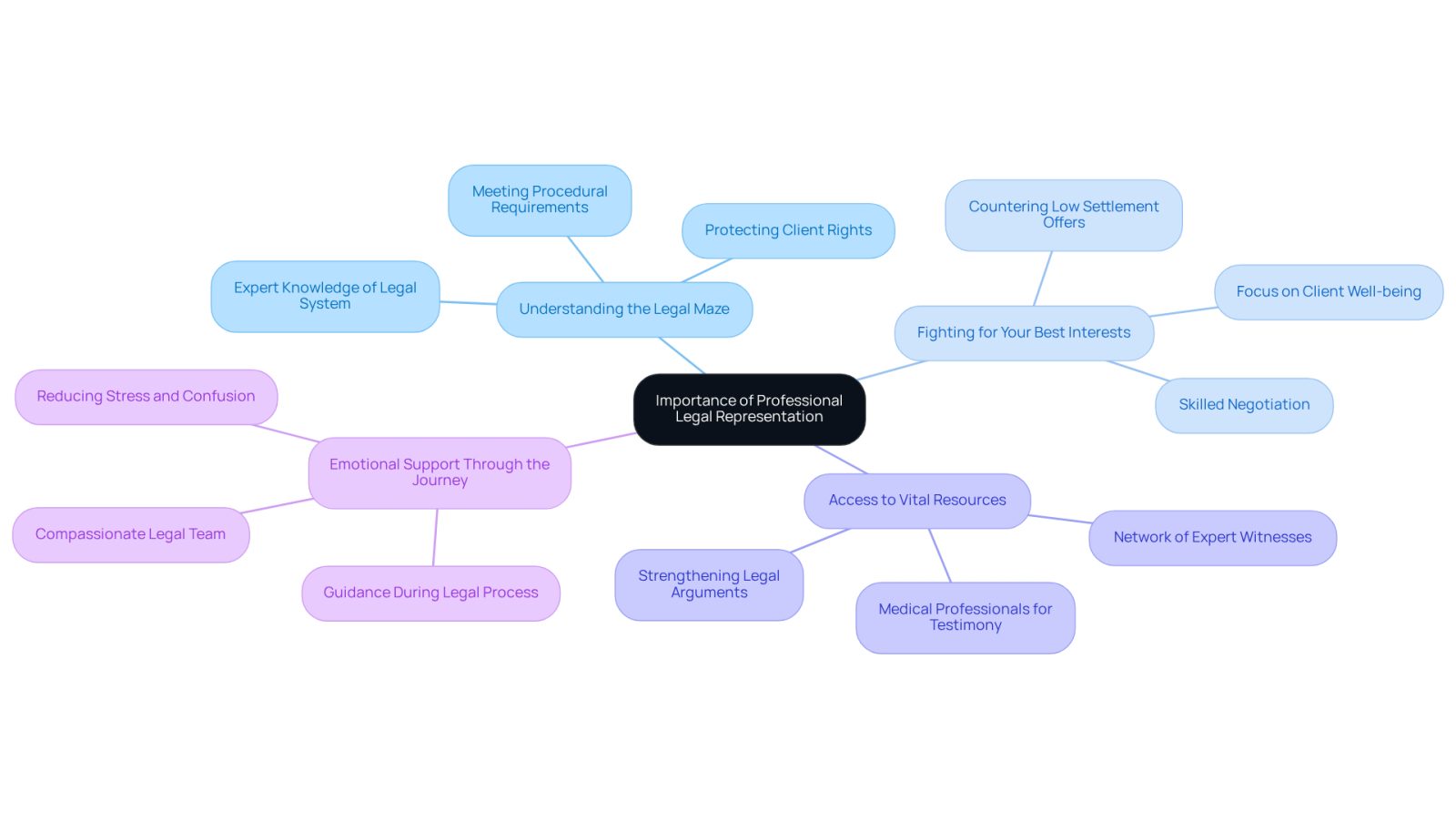
Navigating a legal case can be overwhelming, especially when financial concerns come into play. A contingency fee arrangement offers a lifeline, as it means that a lawyer’s fees depend on the successful resolution of your case. In malpractice cases, the average attorney fees medical malpractice typically range from 30% to 45% of the total recovery amount, which can vary by state and region. For example, if you secure a settlement of $500,000 and your attorney’s fee is set at 33%, that translates to $165,000 for your lawyer. This structure alleviates the financial burden on clients, allowing you to focus on your recovery without the stress of upfront payments.
At The Law Offices of Evan W. Kohn, we understand the importance of clarity and support during this challenging time. That’s why we offer a free medical malpractice consultation, ensuring you grasp the details of your case without any initial financial commitment. However, it’s crucial to be aware that additional charges, including attorney fees medical malpractice, court costs, and expert witness fees, may arise during the legal process. These will be clearly outlined in your representation agreement, so you know what to expect.
If your case requires a trial, it’s important to understand that legal costs may increase due to the additional time, expense, and effort involved. With over 35 years of experience, we’re here to help you navigate these financial implications. Being informed about potential costs and the overall financial context of your case is essential, as it empowers you to make the best decisions for your future.
Identify Factors Affecting Attorney Fees in Medical Malpractice Cases
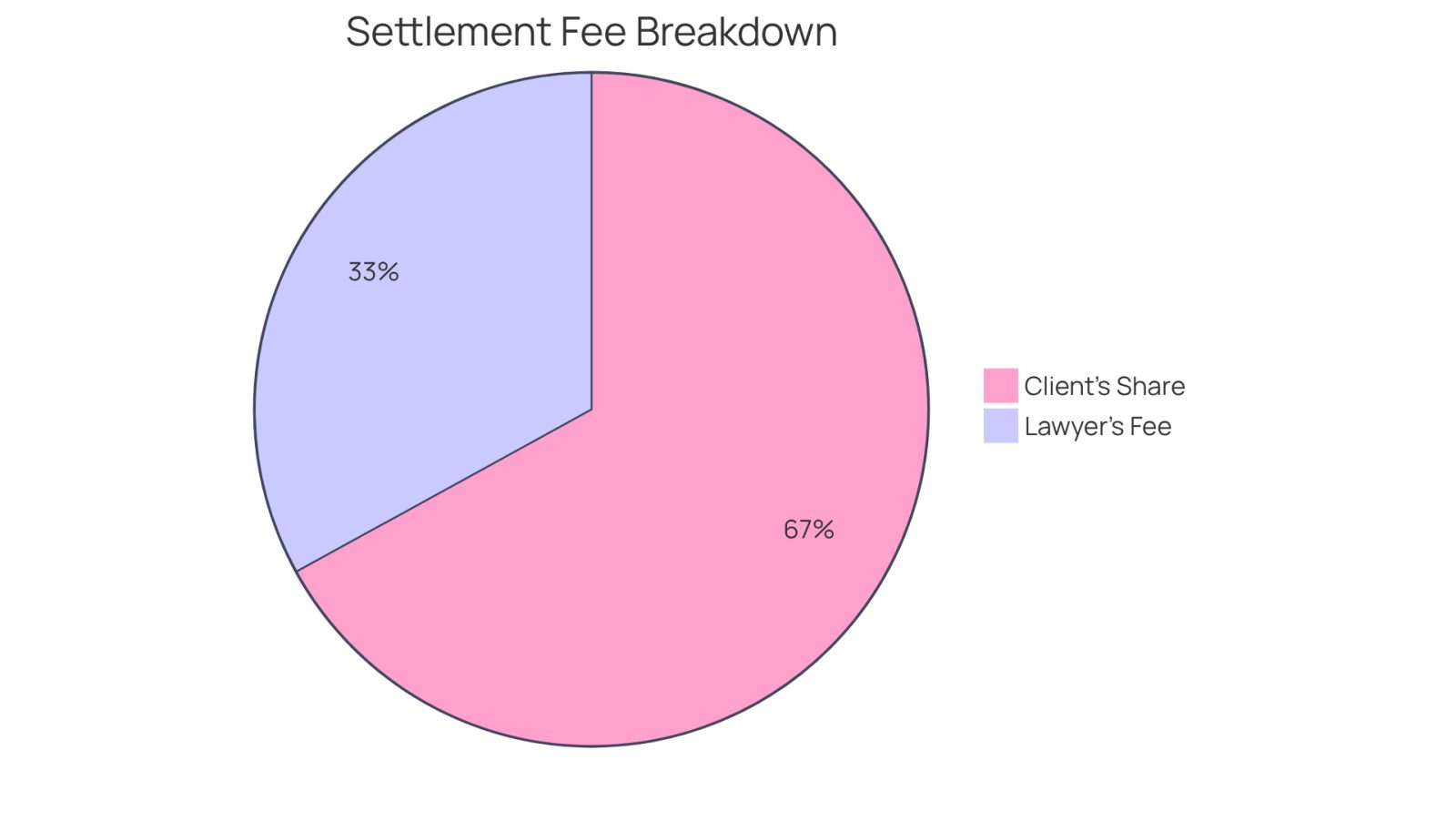
Navigating the world of medical malpractice can be overwhelming, particularly when trying to comprehend attorney fees medical malpractice. Several factors significantly influence these costs, and being aware of them can help you feel more prepared and supported in your journey.
- Case Complexity: Imagine facing a case filled with intricate medical issues and the need for multiple expert testimonies. These complexities often lead to higher fees. For instance, expert witnesses, who are crucial for your case, may charge around $582 per hour for depositions and $622 per hour for courtroom testimony. This can add up quickly, especially in cases involving surgical errors or diagnostic mistakes, where extensive documentation and expert opinions are necessary. The emotional toll of these complexities can be daunting, but understanding them is the first step toward navigating your situation.
- Jurisdiction: Each state has its own regulations regarding attorney costs, which can impact what you might expect to pay. Some states impose limits on charges or have specific rules that shape how costs are structured. Knowing these differences can empower you to make informed choices about your representation.
- Attorney Experience: The experience of your lawyer can make a significant difference. Attorneys with a proven track record in handling malpractice cases often charge higher fees, but their expertise can be invaluable. They know how to navigate the complexities of the justice system and are more likely to achieve favorable outcomes for clients like you. Having a seasoned lawyer by your side can ensure that your losses are evaluated fairly and that the intricacies of your claim are managed with care.
- Settlement Amount: The total recovery sum can also influence legal costs. Many lawyers work on a contingency fee basis, taking a percentage of the settlement. Strong cases often lead to substantial settlements, which can help cover attorney fees and compensate for healthcare costs, lost income, and emotional distress. This means that a successful outcome not only brings justice but also alleviates some of the financial burdens you may face.
- Additional Costs: It’s essential to consider the expenses related to obtaining health records, which can vary based on the type and volume of documents needed. Pursuing a malpractice claim without representation can lead to accepting lower settlements, as understanding how to calculate your losses can be challenging. Additionally, the average cost of defending against a malpractice claim is about $22,959, not including indemnity payments. This adds another layer of financial consideration for potential plaintiffs.
By comprehending these factors, you can better anticipate potential expenses and make informed choices regarding your representation. Remember, you’re not alone in this journey, and understanding the landscape can help you feel more empowered and supported.
Recognize the Importance of Professional Legal Representation
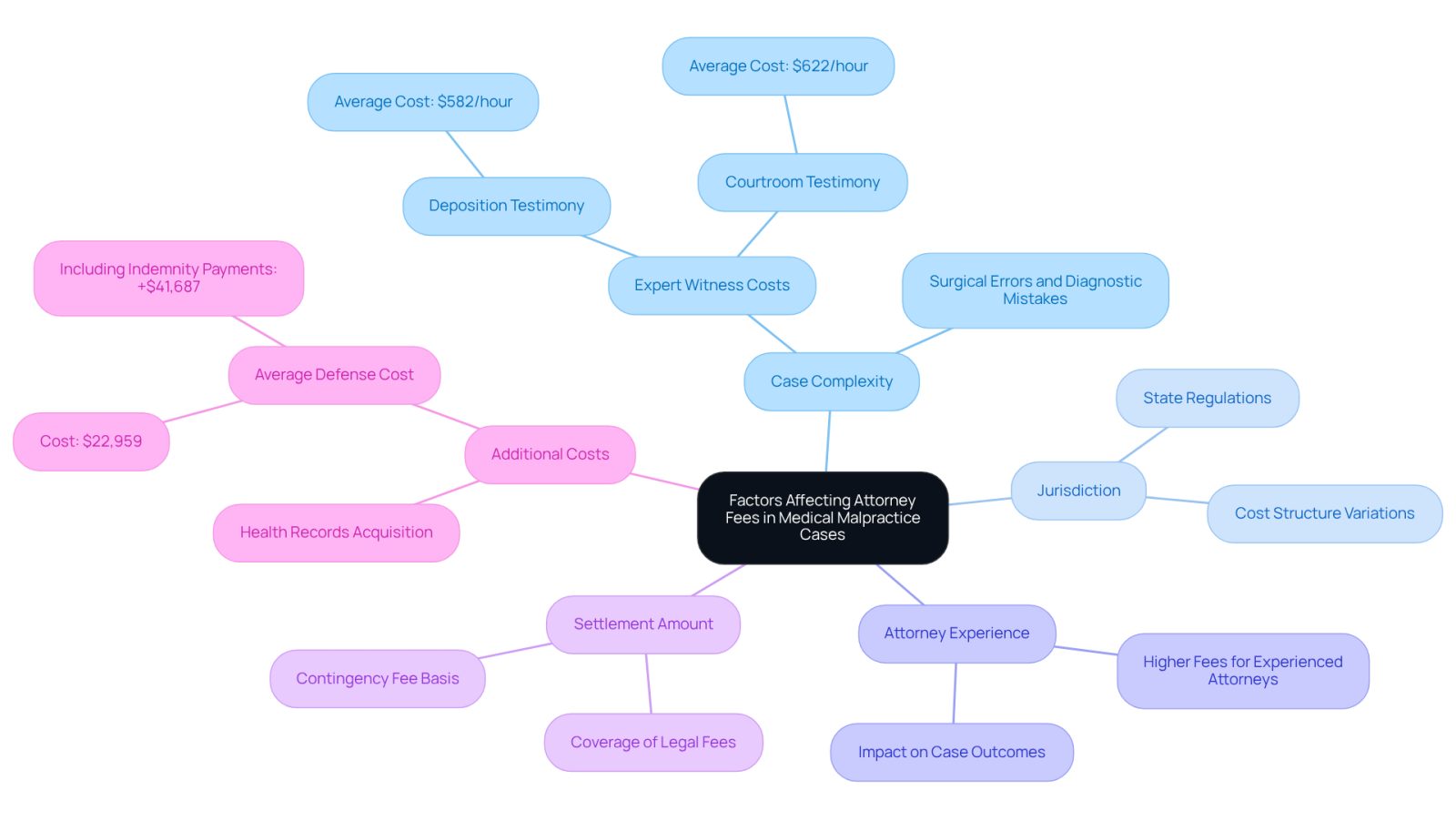
When it comes to medical malpractice cases, hiring a professional legal representative is crucial for several heartfelt reasons, especially considering the attorney fees medical malpractice can incur.
- Understanding the Legal Maze: Navigating the legal system can feel overwhelming, especially when you’re already dealing with the aftermath of a medical mishap. Attorneys who specialize in medical malpractice have extensive knowledge regarding the legal intricacies, including attorney fees medical malpractice. Their expertise ensures that every procedural requirement is met, protecting your rights and giving you peace of mind during a challenging time.
- Fighting for Your Best Interests: The emotional toll of a medical malpractice case can be heavy. Experienced attorneys are not just legal advocates; they are skilled negotiators who genuinely care about your well-being. They know the tactics insurance companies use and can counter low settlement offers with strong, evidence-backed arguments. This significantly boosts your chances of receiving fair compensation, allowing you to focus on healing rather than worrying about finances.
- Access to Vital Resources: Legal professionals often have connections to a network of expert witnesses and resources that can strengthen your case. This includes medical professionals who can testify about standards of care and causation-key elements in proving medical negligence. Having these resources at your disposal can make a world of difference in your case.
- Emotional Support Through the Journey: The judicial process can be daunting and stressful, but you don’t have to face it alone. A knowledgeable lawyer not only provides guidance but also emotional support throughout your journey. This allows you to concentrate on your recovery without the added burden of navigating complex legal proceedings. At The Law Offices of Evan W. Kohn, we offer free consultations with no obligation, where you can discuss your case and explore your options without financial pressure. Our compassionate team, led by Evan W. Kohn, is dedicated to supporting you through this challenging time.
Ultimately, having professional legal representation can dramatically influence the outcome of your medical malpractice claim, including the assessment of attorney fees medical malpractice. Studies show that individuals with legal counsel often receive settlements significantly higher than those who represent themselves. With over 35 years of experience and a commitment to securing the compensation you deserve, The Law Offices of Evan W. Kohn is here to fight for you every step of the way.
Conclusion
Understanding attorney fees in medical malpractice cases is vital for anyone seeking justice after facing medical negligence. It can be overwhelming to navigate this process, especially when financial burdens loom large. Fortunately, a contingency fee structure allows victims to pursue their claims without the stress of upfront costs, ensuring they only pay if their case is successful. This model not only aligns the interests of the client and attorney but also opens the door to legal representation for those who may feel financially strained.
Key insights reveal that attorney fees typically range from 25% to 40% of the settlement, influenced by factors like case complexity, jurisdiction, and attorney experience. It’s crucial to be aware of potential additional costs, such as court fees and expert witness expenses, to avoid unexpected financial surprises that could add to the stress of an already challenging situation. Moreover, hiring a professional legal representative can make a significant difference. They can expertly navigate the complexities of the legal system and advocate for fair compensation on your behalf, alleviating some of the burdens you may be feeling.
Ultimately, grasping the landscape of attorney fees in medical malpractice cases empowers individuals to make informed decisions about their legal representation. Recognizing the importance of professional legal support is essential, not just for navigating the intricacies of the legal process but also for maximizing the chances of a favorable outcome. Seeking experienced legal counsel can greatly enhance the likelihood of securing the compensation you deserve, allowing you to focus on your recovery and healing journey.
Frequently Asked Questions
What is the typical range of attorney fees in medical malpractice cases?
Attorney fees in medical malpractice cases typically range from 25% to 40% of the settlement or jury award, depending on the complexity of the case and the attorney’s experience.
What is a contingency fee arrangement?
A contingency fee arrangement means you won’t have to pay anything upfront; you only pay the attorney if your case is successful.
How does a contingency fee agreement benefit clients?
It allows clients to pursue their claims without the burden of hourly legal costs and protects them from financial penalties if their case does not succeed.
Why might an attorney charge a higher percentage in a medical malpractice case?
An attorney might charge a higher percentage for more complicated cases, such as those involving surgical mistakes, reflecting the increased challenges and resources required.
Are there additional costs associated with legal representation in medical malpractice cases?
Yes, there may be additional litigation costs, such as court fees and expenses for obtaining medical records, which are typically covered by the lawyer and deducted from the final settlement.
What should clients ask during their initial consultation regarding fees?
Clients should ask about the lawyer’s fee percentage and any expected expenses to avoid surprises later on.
How does the contingency fee model help victims of medical malpractice?
The contingency fee model provides victims a pathway to seek justice while protecting them from the financial risks associated with attorney fees, allowing them to focus on their recovery.
List of Sources
- Explore the Basics of Attorney Fees in Medical Malpractice
- Hiring A Medical Malpractice Attorney: The Contingent Fee – Lupetin & Unatin, LLC
- malonelaw.com
- tempusfugitlaw.com
- What Does a Medical Malpractice Lawyer Cost? | LawInfo
- Attorney Fees in Medical Malpractice Cases | Gordon Law Firm of New York, LLP
- Understand Contingency Fee Arrangements and Their Implications
- floridamalpractice.com
- daviskelin.com
- canadianlawyermag.com
- 3 new malpractice laws in 2026 – Becker’s ASC
- knappandroberts.com
- Identify Factors Affecting Attorney Fees in Medical Malpractice Cases
- legalreader.com
- biklaw.com
- Costs In Medical Malpractice Cases | Gilman & Bedigian
- insurancenewsnet.com
- beckersasc.com
- Recognize the Importance of Professional Legal Representation
- Studies Point to 3.5 Times Greater Awards When Hiring a Lawyer vs. Representing Yourself
- kopflerhermann.com
- 7 Benefits of Hiring a Specialized Medical Malpractice Lawyer – Leaders in Law
- breakingac.com
- The Importance of Legal Representation in Personal Injury Cases – J.P. Ward & Associates | Pittsburgh Personal Injury Attorneys
Hurt like this?
We handle Medical Malpractice cases in the Bronx.
Evan W. Kohn, Esq. — more than 35 years of Bronx personal-injury practice. Reading about it only goes so far; a free consultation tells you what actually applies to your case.