
Personal Injury Basics
Understanding Peroneal Nerve Damage Settlement Options for Victims

Introduction
Understanding the complexities of peroneal nerve damage is vital for those who have suffered and are seeking justice and compensation. This article explores the anatomy of the peroneal nerve, the different ways injuries can occur, and the profound effects these injuries can have on everyday life. It’s not just about the physical pain; it’s about how these injuries can disrupt your daily routine and emotional well-being.
Navigating the legal landscape for a peroneal nerve damage settlement can feel daunting, leaving many to wonder: what options are available for those affected, and how can they effectively pursue the compensation they truly deserve?
Explore Peroneal Nerve Anatomy and Injury Mechanisms
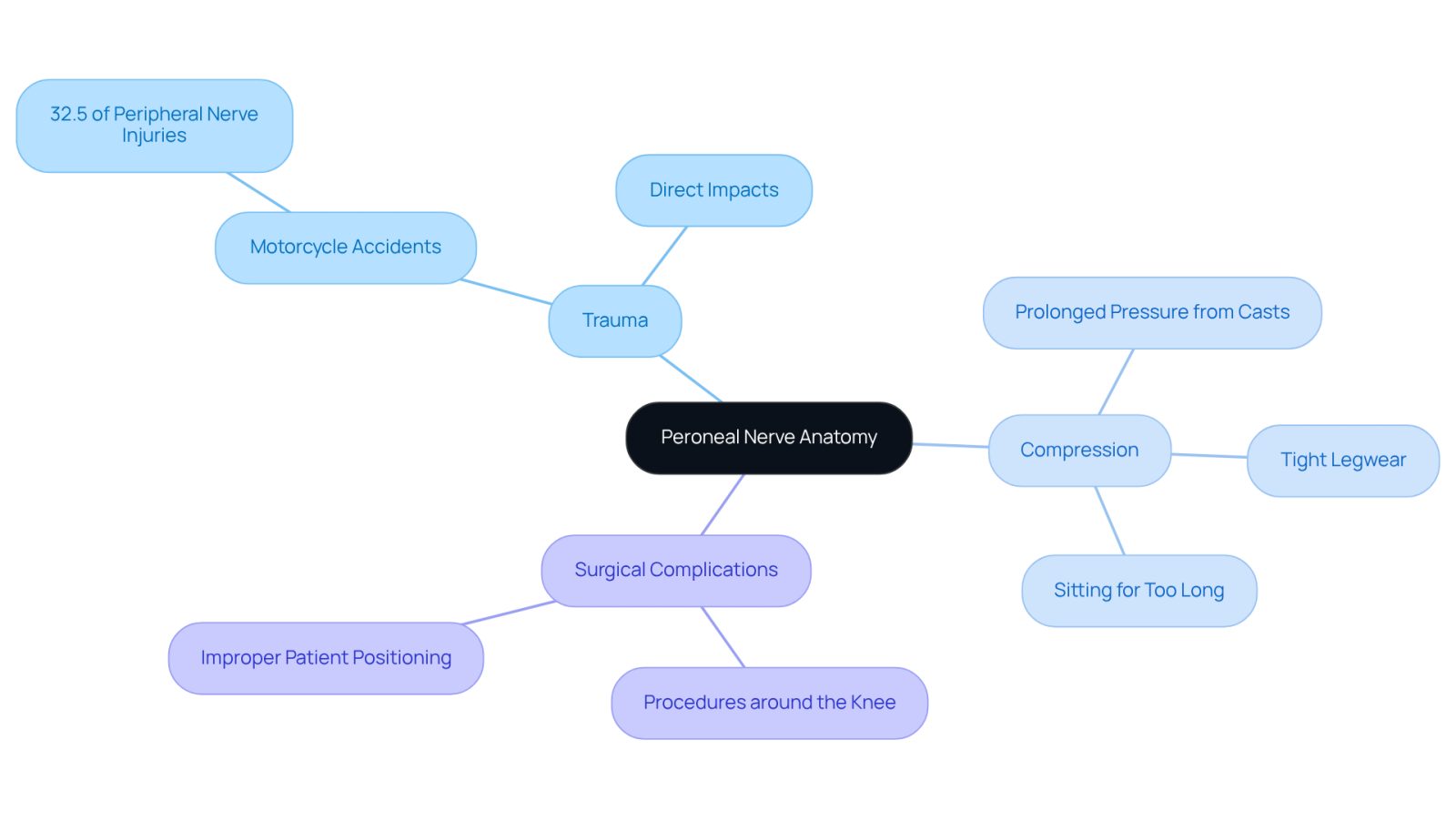
The peroneal pathway, an essential branch of the sciatic system, runs down the back of the leg, playing a crucial role in both motor and sensory functions in the lower leg and foot. Understanding its anatomy is vital for recognizing how injuries can occur. Unfortunately, many people face peroneal nerve injuries due to various reasons:
- Trauma: Direct impacts to the knee or leg, often from car accidents or sports injuries, can lead to significant nerve damage. For instance, motorcycle accidents account for 32.5% of peripheral damage cases, highlighting how vulnerable this pathway is during high-impact situations.
- Compression: Prolonged pressure on the tissue, whether from tight casts, legwear, or even sitting for too long, can result in neuropathy. This type of trauma may manifest as weakness in foot dorsiflexion and sensory loss on the top of the foot, leaving individuals feeling frustrated and helpless.
- Surgical Complications: Surgical procedures around the knee, especially those involving the fibular head, can unintentionally harm the peroneal pathway. Ensuring correct patient alignment during surgery is crucial to prevent complications, as improper positioning can lead to ischemia and further damage.
Understanding these mechanisms is essential for those affected, as it sheds light on the potential for claims related to negligence or malpractice concerning a peroneal nerve damage settlement. If you’ve been injured in an accident, reaching out to Mr. Kohn is vital to safeguard your rights. He’s available 24/7 at (929) 470-4390, and your consultation is free. Early detection and intervention are key, and having expert legal representation can make a significant difference in the outcome of your case.
Identify Symptoms and Classifications of Peroneal Nerve Injuries
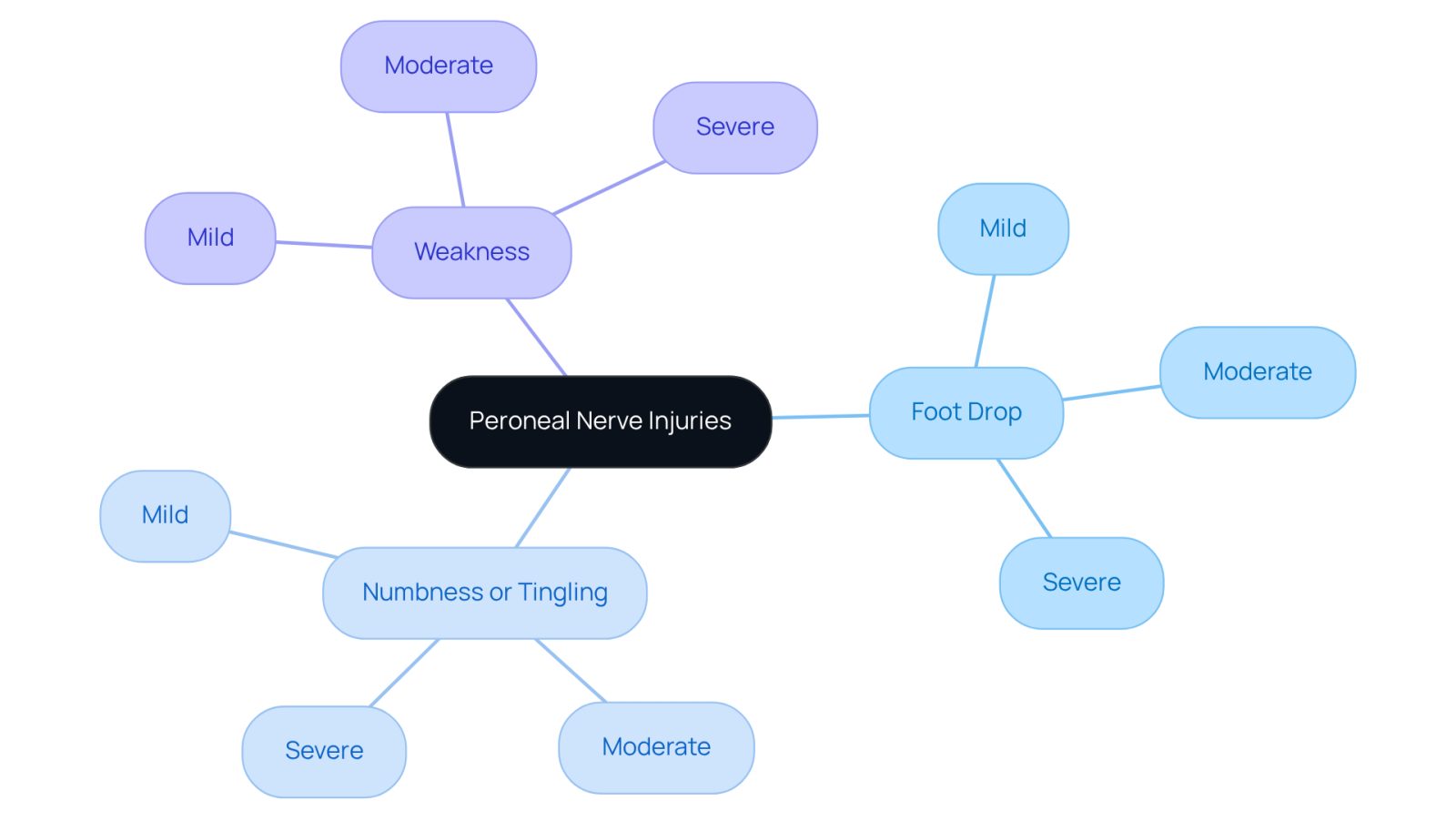
Peroneal injuries can bring about a range of symptoms that deeply impact mobility and quality of life. Imagine struggling to walk, feeling the weight of each step as you navigate daily tasks. One of the most challenging manifestations of this condition is Foot Drop. This occurs when you can’t lift the front part of your foot, leading to a dragging motion while walking. It’s important to recognize that foot drop can affect around 13.9% of patients after lumbosacral spine surgery, making it a common concern for many.
Additionally, individuals may experience Numbness or Tingling. These unusual sensations can occur in the top of the foot or the outer part of the lower leg, leaving you feeling disconnected from your own body. Weakness is another significant symptom, making it difficult to move your foot or toes, which can hinder even the simplest daily activities.
These symptoms can vary in severity, and understanding this can be crucial for those affected. Mild cases might involve temporary numbness or tingling that resolves on its own, but as the condition progresses to Moderate, persistent weakness and foot drop can significantly affect mobility. In the most severe cases, individuals may face a permanent loss of function, which could require surgical intervention, especially if axons are damaged.
Recognizing these classifications is vital for individuals and their loved ones. It empowers them to communicate effectively with medical professionals and advocates, ensuring their condition is accurately represented in any necessary discussions. Fortunately, there are treatment options available. Physical therapy can help maintain muscle strength, while medications like Gabapentin or Carbamazepine may alleviate pain associated with neuropathy. However, it’s essential to be aware of potential complications, such as permanent weakness or paralysis in the legs or feet. This underscores the importance of seeking timely and effective treatment, as it can make a significant difference in one’s quality of life.
Navigate Legal Options and Settlement Processes for Peroneal Nerve Damage
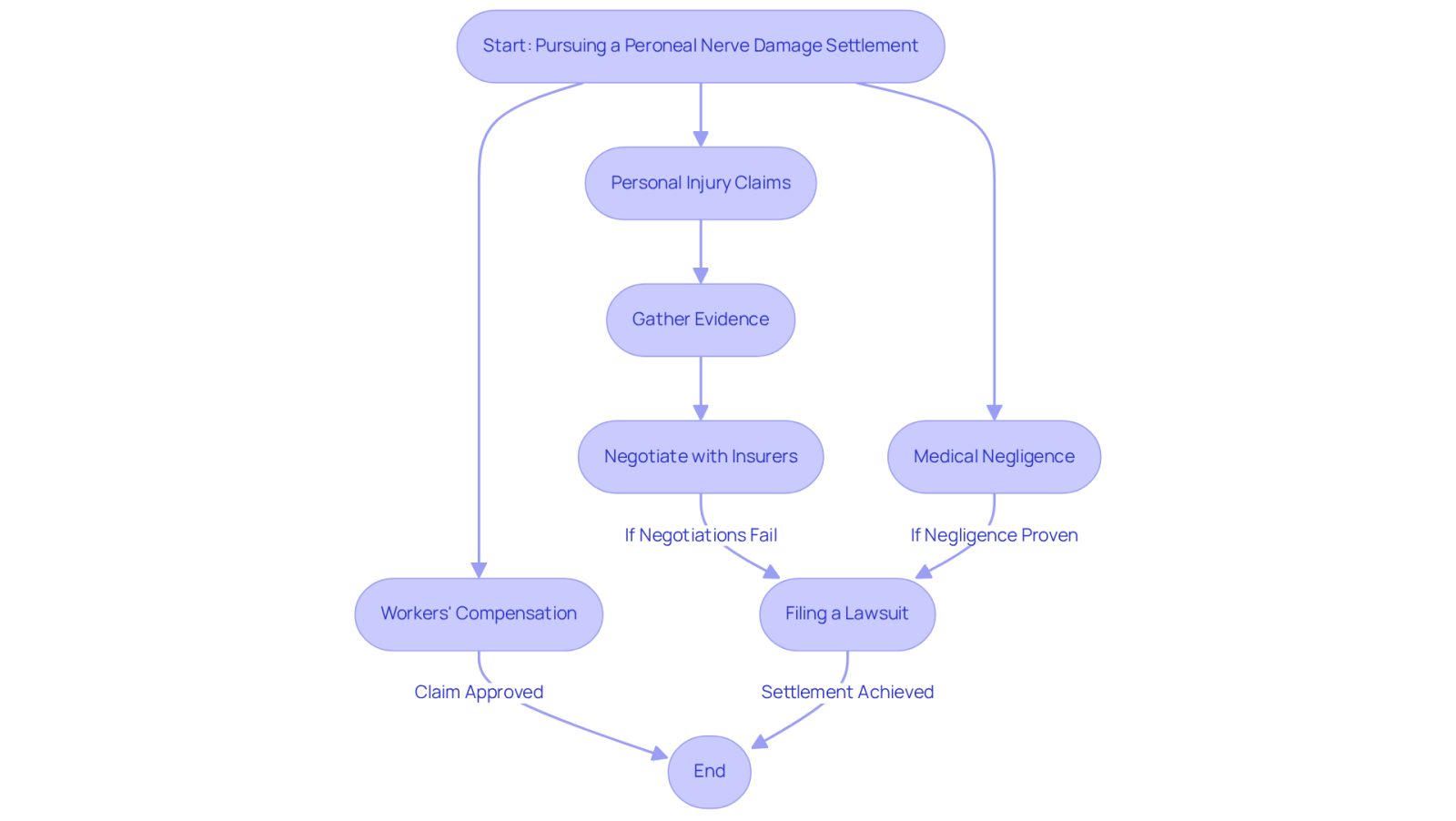
Victims of peroneal nerve injuries often find themselves facing a daunting journey, navigating uncertainty and emotional turmoil in pursuit of a peroneal nerve damage settlement. The pain and disruption to daily life can feel overwhelming, but it’s important to know that there are legal avenues available to pursue a peroneal nerve damage settlement for the compensation you deserve.
- Personal Injury Claims can be a vital option if your injury stems from someone else’s negligence. This path allows you to hold the responsible party accountable in a peroneal nerve damage settlement, but it requires gathering substantial evidence to demonstrate their negligence. It’s not just about the facts; it’s about showing how their actions have impacted your life.
- For those injured at work, Workers’ Compensation offers a lifeline. This system is designed to provide financial support for medical expenses and lost wages, allowing you to focus on recovery without the added stress of proving fault. It’s a way to ensure you’re taken care of during a challenging time.
- If your injury was caused by a healthcare provider’s negligence, you might consider pursuing a peroneal nerve damage settlement. This route involves showing that the provider failed to meet the standard of care, which led to your suffering. It’s a difficult process, but it’s essential to hold those responsible accountable for their actions.
The process of the peroneal nerve damage settlement can feel overwhelming, but understanding the steps can empower you. Start with Gathering Evidence: collect medical records, accident reports, and witness statements to illustrate the extent of your injury and its impact on your life. This evidence is crucial in building your case.
Next, Negotiating with Insurance Companies is a critical step. Engaging in discussions with insurers can be daunting, but skilled attorneys can help you navigate this process, countering tactics used to minimize payouts. You deserve a settlement for peroneal nerve damage that fairly reflects your needs.
If negotiations don’t yield satisfactory results, Filing a Lawsuit may be necessary. While this step can seem intimidating, it often leads to higher offers for a peroneal nerve damage settlement, as defendants typically prefer to avoid the costs and publicity of a trial.
By comprehending these choices, you can manage your judicial path with confidence, ensuring you seek the compensation you truly merit for your harm. Remember, you’re not alone in this journey; support is available to help you through.
Engage Expert Legal Support for Your Peroneal Nerve Injury Case
If you or someone you know is dealing with the aftermath of peroneal damage, it is crucial to find the right legal support to pursue a peroneal nerve damage settlement. Here’s how to navigate this challenging journey:
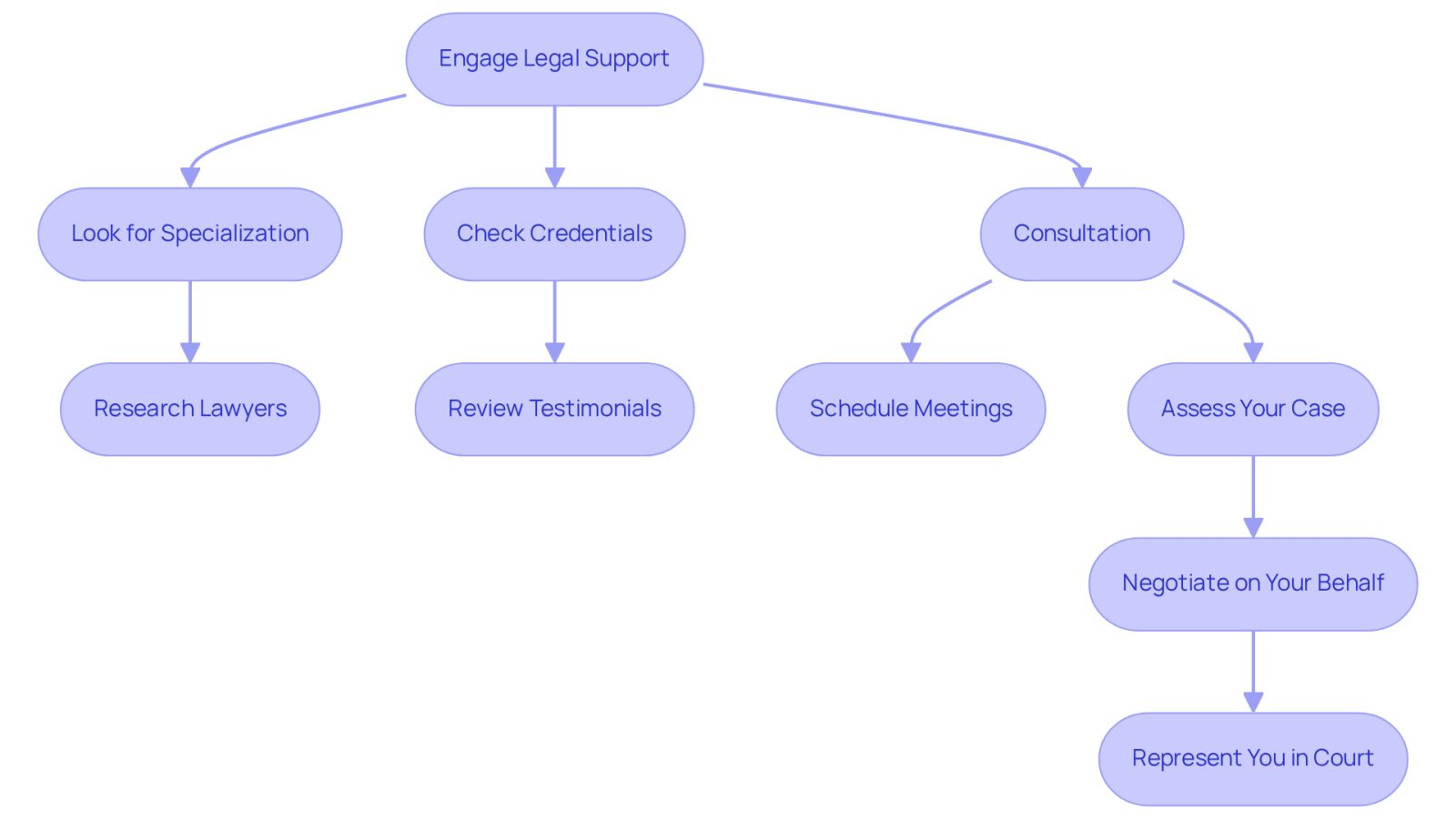
- Look for Specialization: It’s important to choose a lawyer who specializes in personal injury law and has a solid track record with nerve damage cases. For instance, Evan W. Kohn is dedicated to understanding the unique needs of his clients, ensuring they feel heard and supported.
- Check Credentials: Take the time to review their history of successful settlements and client testimonials. This can give you a sense of their effectiveness. At The Law Offices of Evan W. Kohn, there’s a strong commitment to excellence, backed by ongoing education to stay at the forefront of personal injury law.
- Consultation: Many firms offer free consultations, which can be a great opportunity to discuss your case and gauge their expertise. This initial meeting can help you feel more at ease as you explore your options.
An experienced attorney can make a significant difference:
- Assess Your Case: They can provide valuable insights into the viability of your claim and potential compensation, ensuring you fully understand your options. At The Law Offices of Evan W. Kohn, we take the time to evaluate each case thoroughly, so you know where you stand.
- Negotiate on Your Behalf: Your attorney will handle discussions with insurance companies, striving to secure the best possible settlement for you. Research shows that individuals with representation often receive settlements that are three times greater than those who go it alone.
- Represent You in Court: If necessary, your attorney will stand by you in judicial proceedings, protecting your rights and interests. Evan W. Kohn and his team are ready to advocate fiercely for you, ensuring your voice is heard.
Securing the right legal assistance can profoundly impact the outcome of your case. Victims of personal harm represented by a lawyer typically receive settlements that are about 3.5 times greater than those who represent themselves. Moreover, lawyers help clients navigate the complexities of personal injury claims, making sure every aspect of the case is addressed with care and attention.
Conclusion
Understanding peroneal nerve damage and the paths available for seeking compensation is vital for those grappling with the aftermath of such injuries. The insights shared throughout this article reveal the complexities of peroneal nerve anatomy, the mechanisms behind these injuries, and the significant impact they can have on daily life. By recognizing the symptoms and classifications of peroneal nerve injuries, individuals can better advocate for their health and legal rights.
The various causes of peroneal nerve damage – such as trauma, compression, and surgical complications – are crucial to understand, along with the significant symptoms like foot drop and numbness. These challenges can feel overwhelming, but it’s important to know that pursuing appropriate legal channels, whether through personal injury claims, workers’ compensation, or medical malpractice suits, can make a difference. Understanding these legal options empowers victims with the knowledge needed to seek a fair settlement and underscores the necessity of expert legal support in navigating this complex process.
The journey toward securing a settlement for peroneal nerve damage can indeed be daunting. However, it’s essential to remember that support is available. Engaging a specialized attorney can significantly enhance the chances of obtaining the compensation deserved for the pain and disruption caused by these injuries. Victims are encouraged to take proactive steps in their recovery and legal pursuits, ensuring they are not alone in this fight for justice.
Frequently Asked Questions
What is the peroneal nerve and why is it important?
The peroneal nerve is an essential branch of the sciatic system that runs down the back of the leg, playing a crucial role in both motor and sensory functions in the lower leg and foot.
What are the common causes of peroneal nerve injuries?
Common causes of peroneal nerve injuries include trauma from direct impacts (such as car accidents or sports injuries), compression from tight casts or prolonged sitting, and surgical complications during procedures around the knee.
How does trauma lead to peroneal nerve injury?
Trauma, such as direct impacts to the knee or leg from accidents, can cause significant nerve damage. For example, motorcycle accidents account for 32.5% of peripheral damage cases, highlighting the vulnerability of the peroneal pathway during high-impact situations.
What is neuropathy and how can it affect individuals?
Neuropathy is a condition that can result from prolonged pressure on the tissue, leading to weakness in foot dorsiflexion and sensory loss on the top of the foot. This can leave individuals feeling frustrated and helpless.
How can surgical procedures lead to peroneal nerve damage?
Surgical procedures around the knee, especially those involving the fibular head, can unintentionally harm the peroneal nerve. Proper patient alignment during surgery is crucial to prevent complications that may lead to ischemia and further damage.
Why is understanding peroneal nerve injury mechanisms important?
Understanding these mechanisms is essential for those affected as it helps in recognizing the potential for claims related to negligence or malpractice concerning a peroneal nerve damage settlement.
What should someone do if they have been injured in an accident affecting the peroneal nerve?
It is vital to reach out to a legal expert, such as Mr. Kohn, to safeguard your rights. He is available 24/7, and consultations are free, emphasizing the importance of early detection and intervention in legal matters related to injuries.
List of Sources
- Explore Peroneal Nerve Anatomy and Injury Mechanisms
- bergerlawsc.com
- millerandzois.com
- pmc.ncbi.nlm.nih.gov
- orthopedicreviews.openmedicalpublishing.org
- neuromuscular.wustl.edu
- Identify Symptoms and Classifications of Peroneal Nerve Injuries
- Navigate Legal Options and Settlement Processes for Peroneal Nerve Damage
- Engage Expert Legal Support for Your Peroneal Nerve Injury Case
Hurt like this?
We handle Personal Injury Basics cases in the Bronx.
Evan W. Kohn, Esq. — more than 35 years of Bronx personal-injury practice. Reading about it only goes so far; a free consultation tells you what actually applies to your case.