
Personal Injury Basics
Why Do Cases Settle Before Deposition? Key Insights for Accident Victims

Introduction
The aftermath of an accident can feel overwhelming, leaving victims to navigate a storm of pain, financial worries, and emotional turmoil. Facing mounting medical bills and lost wages, many feel pressured to find quick solutions, often leading to early settlements that may not fully address their needs.
It’s natural to wonder why so many personal injury cases settle before depositions. Understanding the reasons behind these early agreements can shed light on the financial pressures and emotional factors at play, as well as the strategic choices made by both plaintiffs and insurance companies, emphasizing how vital it is to make informed choices on your path to justice.
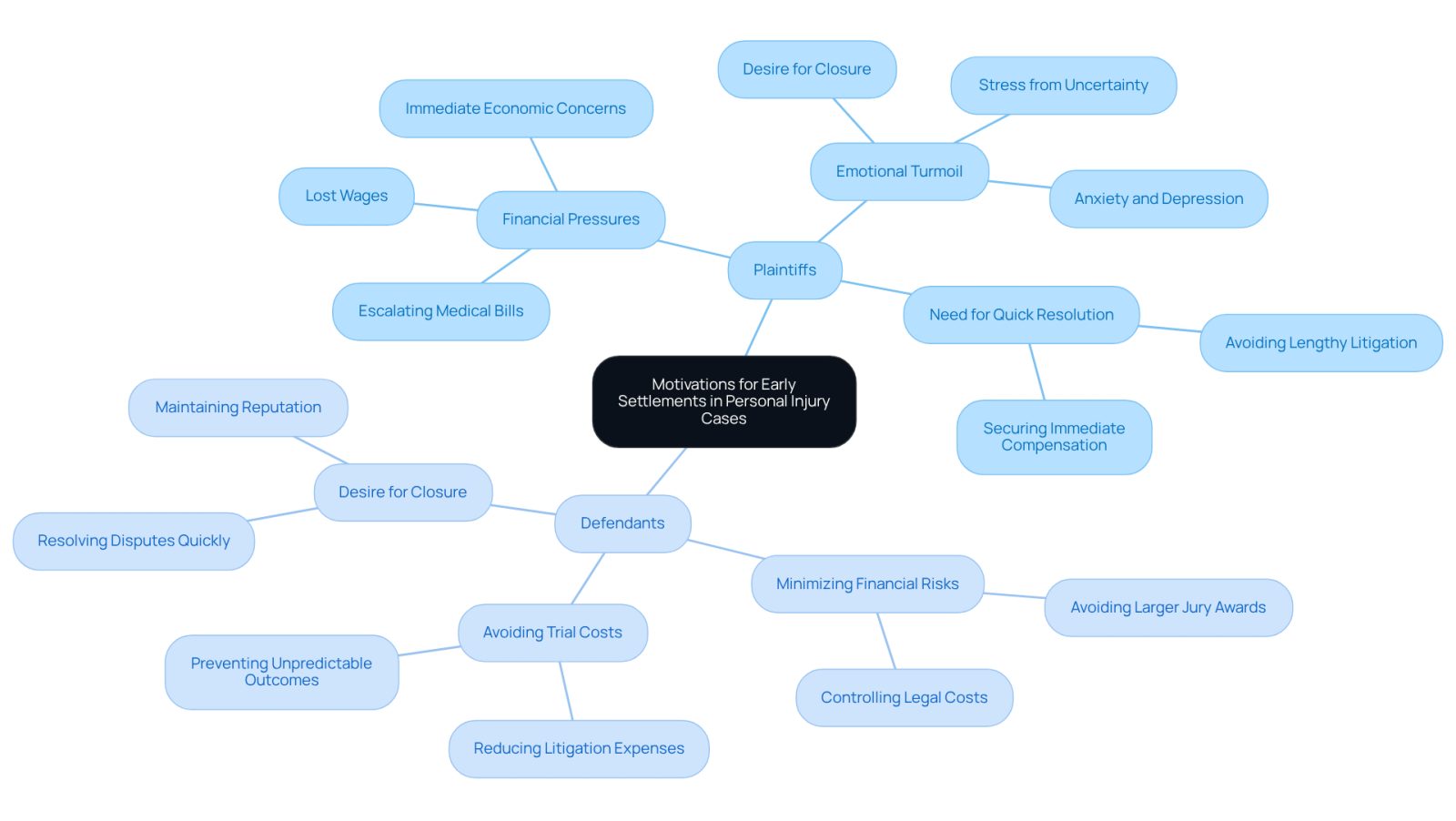
Explore the Motivations for Early Settlements in Personal Injury Cases
Many accident victims find themselves in a difficult situation, facing not just physical injuries but also mounting financial pressures and emotional turmoil. The urgency for financial relief can feel overwhelming, especially when faced with escalating medical bills and lost wages. This pressing need for compensation often drives plaintiffs to seek quick resolutions, even if it means accepting a lower offer, as the emotional strain of prolonged litigation can be too much to bear.
On the other hand, defendants and insurance companies often seek quick resolutions, hoping to minimize their financial risks and avoid the stress of a trial. Settling before depositions allows them to sidestep the costs associated with trial preparation and the unpredictability of jury outcomes. Insurers typically evaluate the strength of the evidence and potential damages to see if an early resolution aligns with their interests. For instance, when liability is clear and damages are significant, insurers may opt to settle quickly to prevent a larger payout down the line.
Moreover, the emotional toll of litigation can weigh heavily on both sides, as the stress of uncertainty looms large. Both parties frequently prefer negotiated agreements that offer a sense of closure, steering clear of the unpredictability linked to a trial. This interplay of financial pressures and emotional factors underscores the complexities involved in personal injury resolutions, highlighting why many cases settle before deposition. Understanding these dynamics can empower victims to make informed decisions that prioritize their well-being and future stability.
Identify Key Factors Influencing Pre-Deposition Settlements
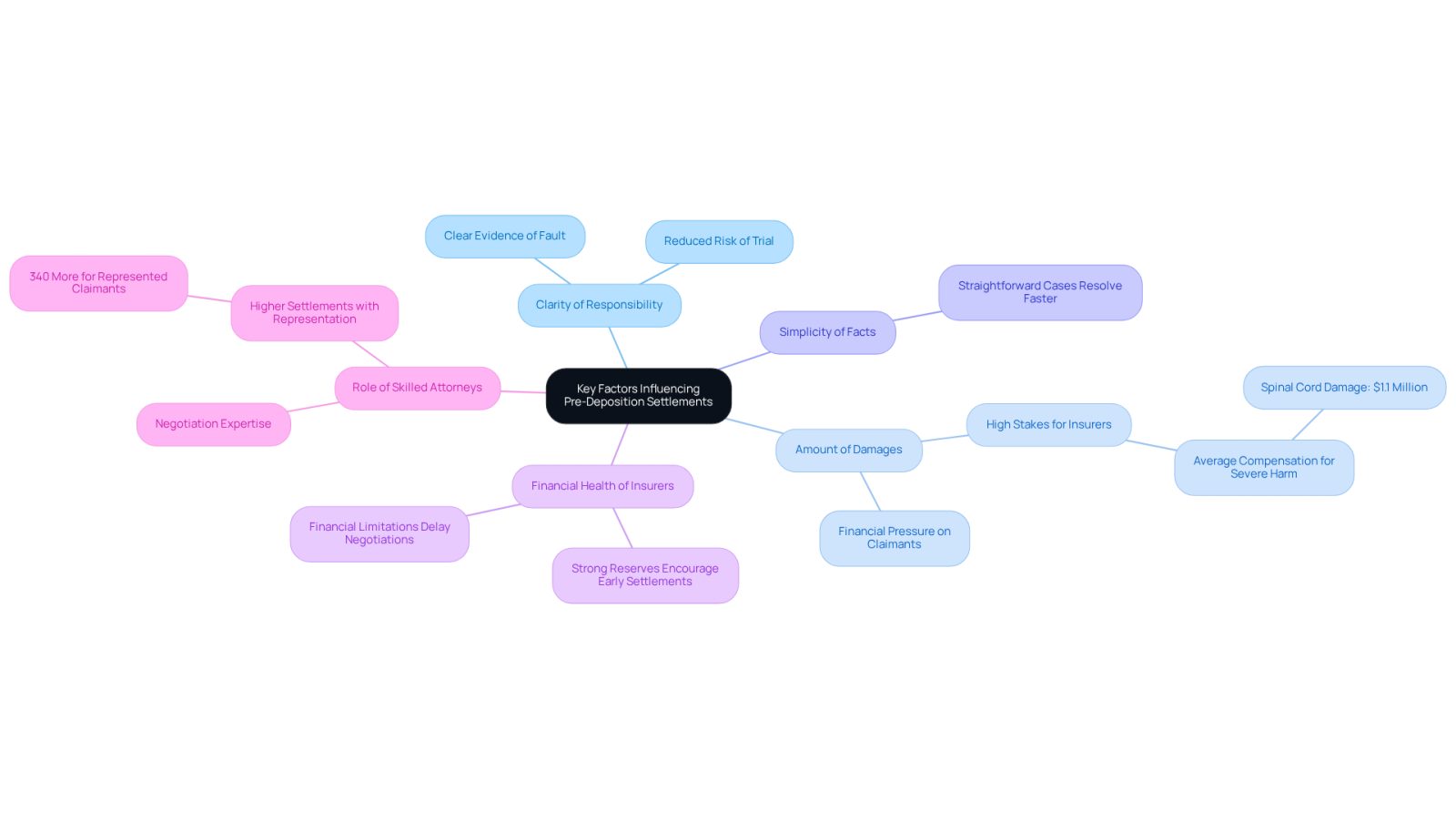
When navigating the aftermath of an accident, many victims find themselves grappling with uncertainty and fear about their future. Multiple essential elements can greatly affect the likelihood of pre-deposition agreements in personal injury cases, leading to the inquiry of whether do cases settle before deposition, with clarity of responsibility being crucial. When fault is clear, both parties often feel more inclined to settle early, leading to the inquiry of do cases settle before deposition to avoid the costs and uncertainties of a trial. For instance, in many motor vehicle accident claims where clear evidence of fault exists, it raises the question of whether do cases settle before deposition, as these cases tend to resolve more quickly.
The amount of damages claimed can weigh heavily on the minds of those seeking justice. In cases involving serious harm or significant financial losses, it is common to ask, do cases settle before deposition, as defendants seek to reduce their potential liability, leading to faster resolutions. For example, compensations for severe harm, like spinal cord damage, can average approximately $1.1 million, prompting insurers to negotiate early to prevent larger disbursements.
When the facts are clear and simple, it’s often easier for victims to find resolution, leading to the consideration of whether do cases settle before deposition. In 2023, approximately 62 million Americans sought medical attention for preventable injuries, highlighting the prevalence of cases that could benefit from early resolution.
The financial health of insurance companies can add another layer of stress for victims, making them wonder if they’ll get the support they need. Insurers with strong reserves are typically more inclined to negotiate advantageous agreements early, while those encountering financial limitations may postpone discussions to see if do cases settle before deposition. This is particularly relevant in cases where the total cost of work injuries in the US reached $176.5 billion in 2023, prompting insurers to be cautious.
Having a skilled attorney by your side can make a world of difference, as they know how to fight for your rights and secure the compensation you deserve. For example, represented claimants usually obtain 340% more than individuals who negotiate independently, highlighting the significance of legal knowledge in attaining advantageous resolutions.
Sometimes, the court of public opinion can sway decisions, pushing for quicker resolutions to avoid negative attention. Overall, understanding these factors can empower accident victims to navigate their claims more effectively.
Analyze the Consequences of Settling Before Deposition
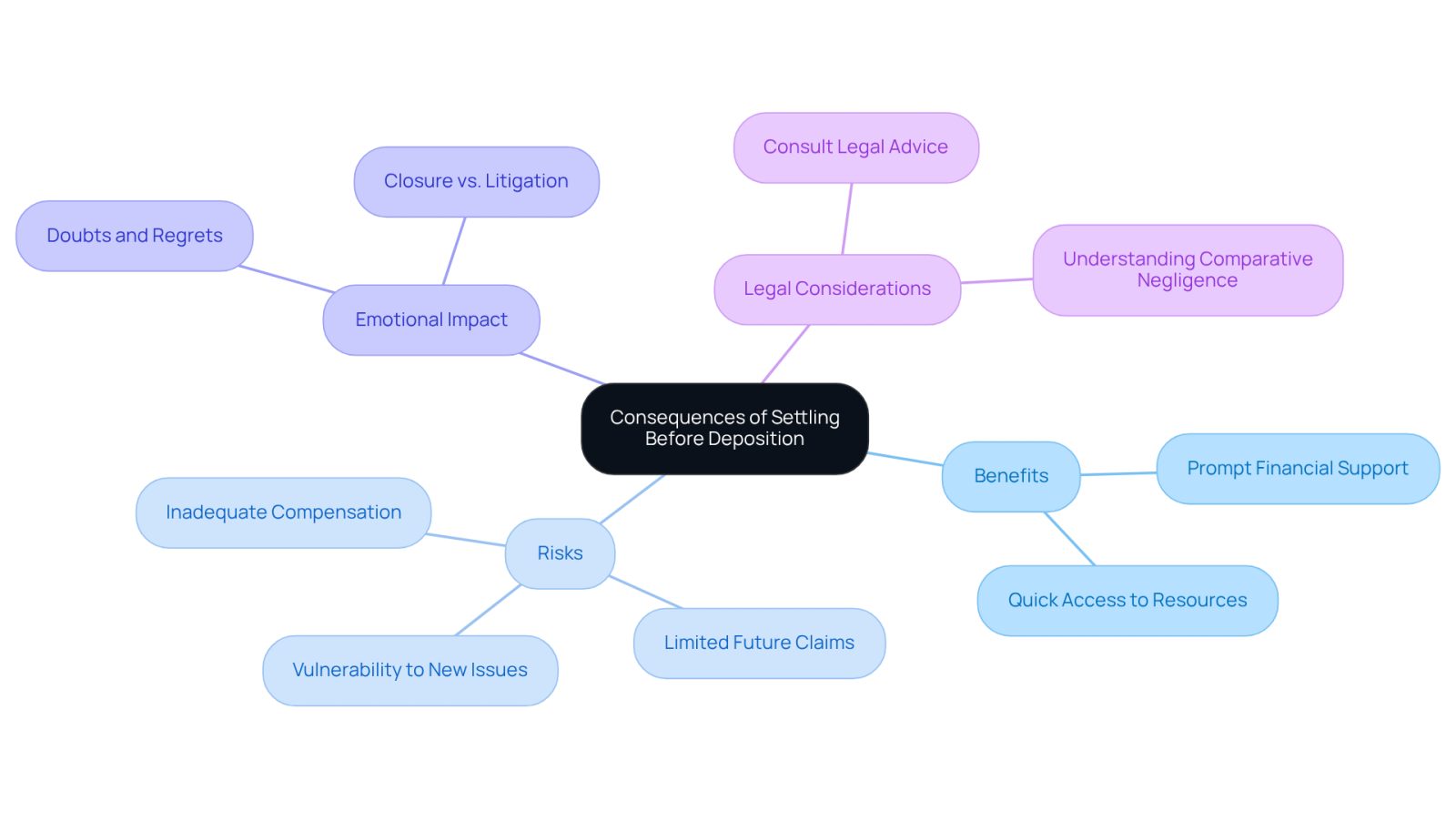
Navigating the aftermath of an accident can feel overwhelming, especially when trying to understand if cases do settle before deposition in a personal injury situation. On one hand, reaching an early agreement can provide victims with prompt financial support, helping them manage medical bills and lost wages without the stress of prolonged litigation. This can be a lifeline for those in urgent need, allowing quicker access to the resources essential for their recovery.
But rushing into a settlement can come with serious risks that might leave you feeling vulnerable. A major concern is the possibility of receiving inadequate compensation. If you settle without fully understanding your medical needs and damages, you might agree to a sum that fails to cover future expenses or lost income. Imagine facing mounting medical bills and realizing too late that your settlement didn’t cover your future needs.
Moreover, settling too early can limit your ability to pursue additional claims if new evidence or complications arise later. Once you accept an agreement, you typically give up your right to seek further compensation related to the same incident. This decision could leave you vulnerable if your health deteriorates or new issues arise, leaving you without the support you need.
The emotional toll of settling too soon can be heavy, leaving you with lingering doubts and regrets. While some may find closure in a quick resolution, others might wish they had fought for a better outcome through litigation. This highlights the importance of careful consideration and seeking legal advice before agreeing to any terms.
It’s vital for accident victims to remember not to admit responsibility or sign any documents without first consulting with The Law Offices of Evan W. Kohn. Statistics suggest that when considering if cases do settle before deposition, resolving personal harm claims too early can lead to significant financial losses as many overlook future medical expenses, lost income, and emotional suffering tied to their conditions. Therefore, understanding the full scope of your situation before making any decisions can be the difference between recovery and regret. Contacting The Law Offices of Evan W. Kohn for a free consultation right after an accident is crucial to ensure your rights are protected and to navigate the complexities of New York’s pure comparative negligence rule, which can significantly affect your compensation based on any perceived fault in the incident.
Understand the Role of Legal Representation in Settlement Decisions
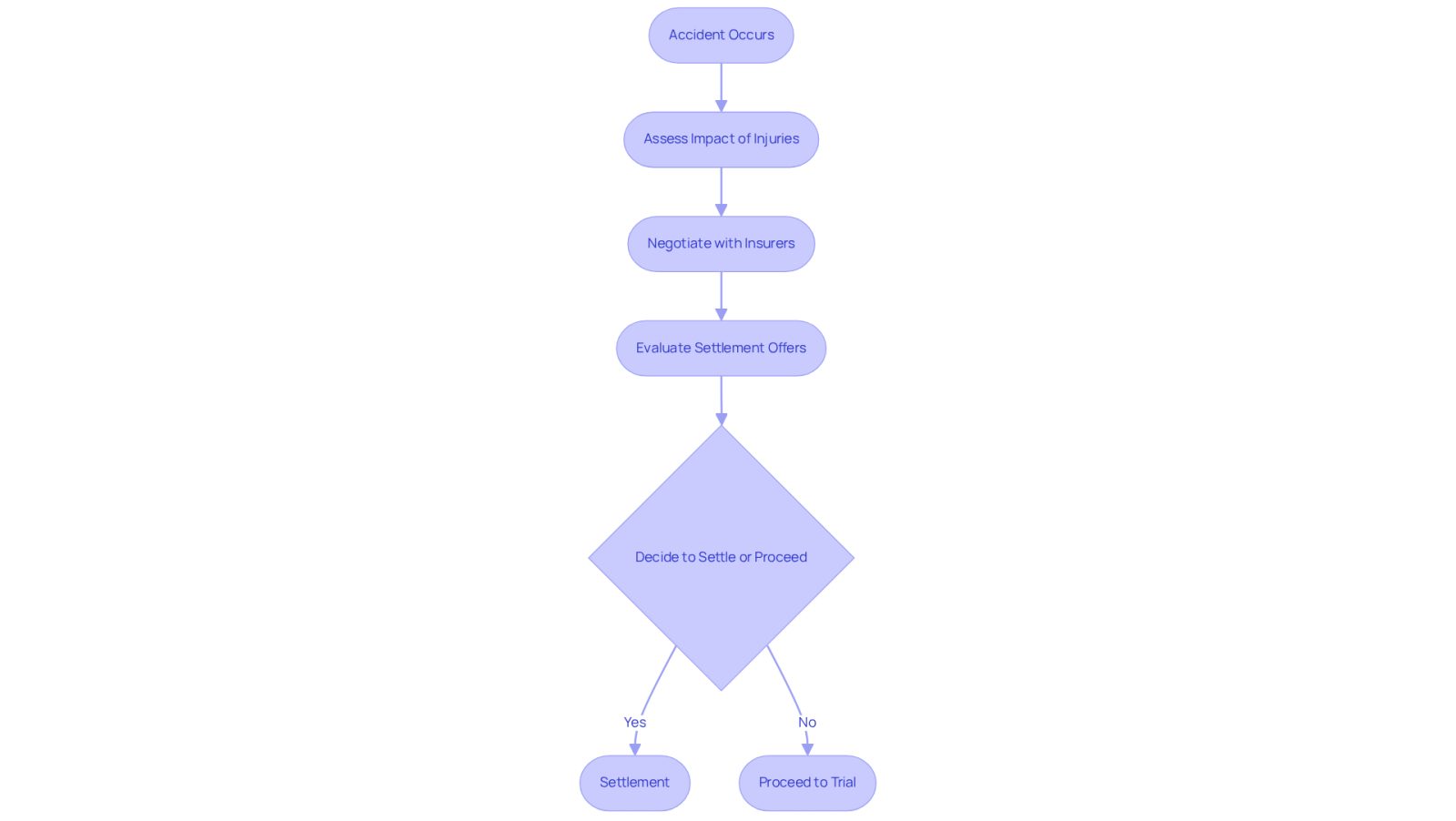
After an accident, the road to recovery can feel overwhelming, especially when faced with the complexities of legal matters. Legal representation plays a crucial role in this journey, as skilled lawyers bring invaluable expertise to help you navigate the challenges ahead. A key role of a lawyer is to assess the true impact of your injuries, looking closely at medical records and understanding the full extent of your damages. This understanding is crucial for negotiating fair settlements that truly reflect the pain and challenges you’ve faced.
Navigating the tricky waters of insurance negotiations can be daunting, but that’s where your attorney steps in to help. They know the tactics insurers use to downplay claims and can stand up for your rights with confidence. A skilled lawyer can spot when an initial offer falls short and will fight to secure a better outcome for you.
Having someone in your corner can bring a sense of safety and peace of mind during this challenging time. With a knowledgeable advocate handling the negotiations, you can focus on healing instead of the stress of legal battles. Your lawyer will guide you on when to settle and will help you understand if cases settle before deposition, making sure you don’t rush into decisions that could affect your future.
Having skilled legal representation can make a world of difference, often leading to better compensation for victims like you. In fact, studies show that those who hire attorneys often receive three to four times more than those who go it alone, highlighting the value of having professional support in your corner.
Conclusion
Navigating the aftermath of an accident can feel like an uphill battle, especially when faced with the pressure to settle quickly. Deciding whether to settle a case before depositions involves a mix of emotional and financial factors that impact both accident victims and insurance companies. Victims often feel overwhelmed by mounting medical bills and emotional turmoil, pushing them to accept settlements that may not fully address their needs. On the other hand, defendants seek to reduce their risks and sidestep the uncertainties of a trial, often opting for early negotiations.
Understanding the factors at play – like clear liability, the extent of damages, and the financial stability of insurers – can shed light on why some cases settle before depositions. It’s crucial for victims to tread carefully through these dynamics, as rushing to settle can lead to insufficient compensation and restrict future claims. A hasty settlement can leave emotional scars and doubts, highlighting the need for a deep understanding and thoughtful consideration before agreeing to any terms.
It’s vital for accident victims to find legal support that can help protect their rights and guide them in making informed choices about their claims. Working with experienced attorneys can pave the way for better outcomes and a more secure financial future. By grasping the reasons behind early settlements and their possible consequences, victims can strive for resolutions that genuinely meet their needs and ensure future stability.
Frequently Asked Questions
Why do accident victims seek early settlements in personal injury cases?
Accident victims often face physical injuries, financial pressures from medical bills and lost wages, and emotional turmoil. The urgent need for financial relief can lead them to accept quick resolutions, even if it means settling for a lower offer.
What motivates defendants and insurance companies to settle early?
Defendants and insurance companies aim to minimize financial risks and avoid the stress of a trial. Settling before depositions helps them avoid trial preparation costs and the unpredictability of jury outcomes.
How do insurance companies evaluate the possibility of an early settlement?
Insurers evaluate the strength of the evidence and potential damages to determine if an early resolution is in their best interest, especially when liability is clear and damages are significant.
What emotional factors influence both parties in personal injury cases?
The emotional toll of litigation can be significant for both plaintiffs and defendants, as the stress of uncertainty weighs heavily. Both parties often prefer negotiated agreements that provide a sense of closure and avoid the unpredictability of a trial.
What complexities are involved in personal injury resolutions?
The interplay of financial pressures and emotional factors creates complexities in personal injury resolutions, leading many cases to settle before depositions. Understanding these dynamics can help victims make informed decisions regarding their well-being and future stability.
List of Sources
- Explore the Motivations for Early Settlements in Personal Injury Cases
- The Emotional and Financial Toll of Personal Injury
- What Percentage of Lawsuits Settle Before Trial? What Are Some Statistics on Personal Injury Settlements?
- adrsystems.com
- What Is the Percentage of Cases That Settle Before Trial
- columbiabasinherald.com
- lawsuit-information-center.com
- Personal Injury Law Statistics and Industry Trends for 2026
- 53+ Personal Injury Statistics For 2026 | Rev
- krwlawyers.com
- Identify Key Factors Influencing Pre-Deposition Settlements
- Legal News & Analysis on Litigation, Policy, Deals : Law360
- 2026 Personal Injury Law Statistics: What the Data Reveals
- adrsystems.com
- amicuslegalgroup.com
- lawbatter.net
- Personal Injury Settlement Statistics & Data 2026 | FairSettlement.org
- oakslawfirm.com
- jnylaw.com
- Analyze the Consequences of Settling Before Deposition
- Understand the Role of Legal Representation in Settlement Decisions
- Is Hiring a Personal Injury Attorney Worth It? | PARRIS Law Firm
- Why Lawyers Are Crucial in Securing Much Higher Settlements for Injury Claimants
- How Do Personal Injury Lawyers Negotiate With Insurance Companies?
- farahandfarah.com
- Personal Injury Blog | Vasquez Law Firm
- The Benefits of Hiring a Personal Injury Lawyer
- 2026 Personal Injury Law Statistics: What the Data Reveals
- Settlement Negotiations in Personal Injury Cases: A Comprehensive Guide | Attorney at Law Magazine
- thewinlawfirm.com
- How Lawyers Negotiate Personal Injury Settlements – Law Firm Ocala
Hurt like this?
We handle Personal Injury Basics cases in the Bronx.
Evan W. Kohn, Esq. — more than 35 years of Bronx personal-injury practice. Reading about it only goes so far; a free consultation tells you what actually applies to your case.